

Most Alpine valleys pick a lane, either a serious ski destination or summer hiking spot. Alta Badia somehow manages both without compromising either, which is rare enough to deserve attention. Throw in legitimate luxury hotels that don’t feel fake or imported, and you’ve got something worth the flight to northern Italy.
The valley sits in this perfect geographic pocket where Dolomite peaks create natural amphitheatres of limestone towers and meadows. UNESCO gave the whole area World Heritage status, which sounds like bureaucratic nonsense until you actually see what they’re protecting. These aren’t your standard jagged Alps – the rock formations here look almost architectural, like ancient civilisations carved them on purpose.
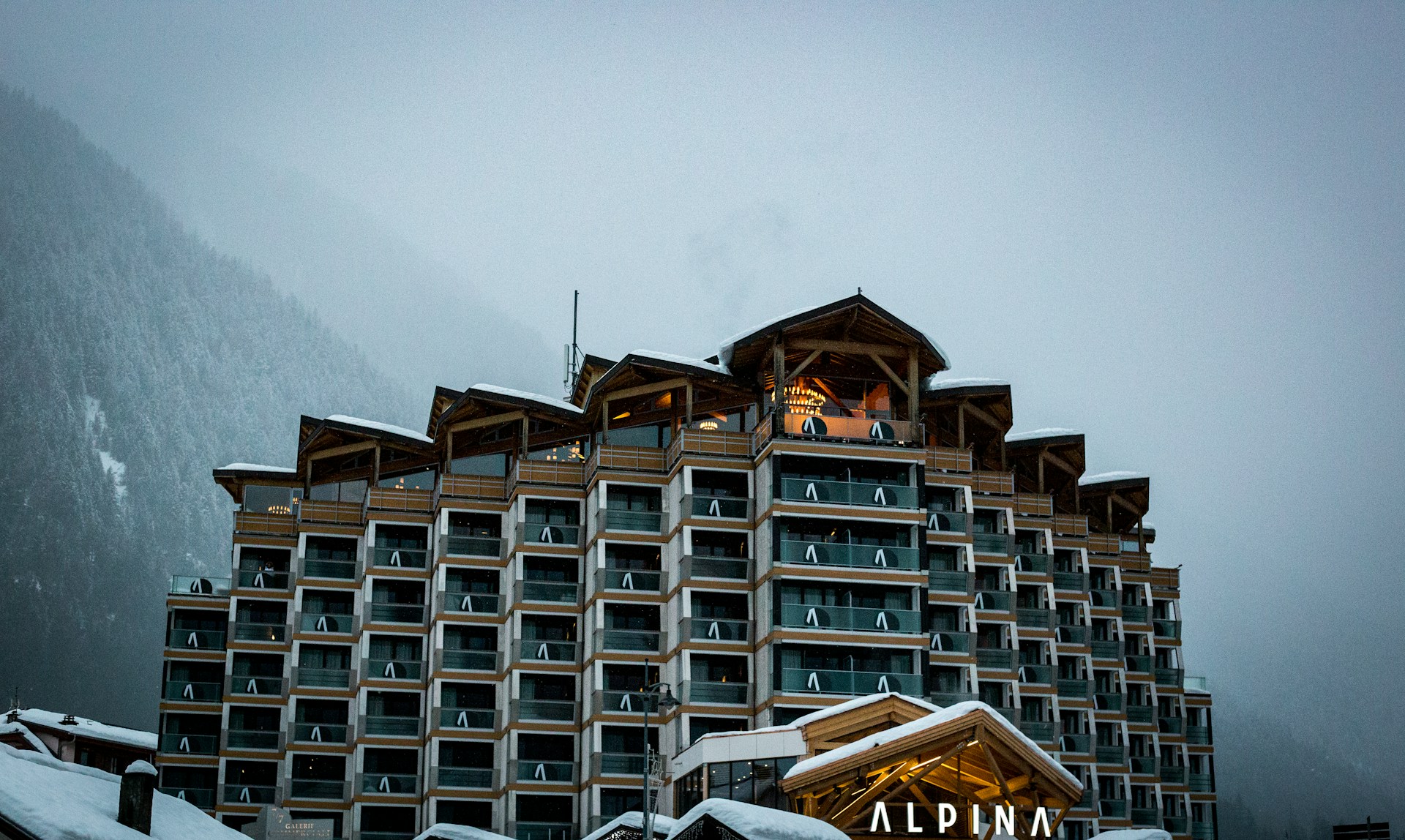
Hotels throughout this area benefit massively from this location. Properties don’t need to manufacture views or engineer dramatic backdrops; just build decent rooms with proper windows and let nature do the heavy lifting. The best places understand this and avoid over-designing spaces that compete with what’s already outside. Looking “Hotel Alta Badia” will certainly give you an idea.
Winter transforms Alta Badia into ski terrain that ranks among Europe’s finest. The valley connects directly to the Dolomiti Superski network, giving guests access to roughly 1,200 kilometres of slopes without requiring car travel between areas. The famous Sellaronda circuit loops around the Sella massif, letting skiers cover four valleys in a single day while stopping at mountain huts for lunch.
Local hotels position themselves strategically near lifts and slopes. Many offer ski-in access or short walks to cable cars, meaning guests avoid the morning shuttle chaos that plagues other resort towns. After skiing, the real luxury shows up: returning to warm rooms, hitting spa facilities while legs are still tired, eating proper meals instead of resort cafeteria food.
Summer activities scale differently but just as impressively. Hiking trails range from gentle valley walks suitable for families to challenging routes that require fitness and nerve. The Fanes-Sennes-Braies Nature Park borders the valley, providing trail systems that connect meadows, forests, and high Alpine terrain without ever feeling crowded or overdeveloped.
Mountain biking has exploded here recently, with routes designed for both road cyclists and off-road enthusiasts. The annual Maratona dles Dolomites cycling event attracts serious riders from across Europe, but regular guests can enjoy the same roads year-round at their own pace.
Snowshoeing during winter offers alternatives for non-skiers who still want outdoor time. Guided tours lead groups through snowy forests and across frozen meadows, providing access to landscapes that summer hikers never see. The silence of winter mountains hits different when you’re moving slowly through fresh powder.
And after an intense day outdoors, there is nothing better than relaxing in the wonderful spas: massages, saunas, and thermal pools are exactly what guests need at the end of the day.
Dining throughout the valley has reached levels that surprise visitors expecting standard mountain food. Multiple Michelin-starred restaurants operate in villages barely large enough to support them, serving cuisine that competes with urban fine dining while staying rooted in Alpine tradition.
Alta Badia proves luxury doesn’t require divorcing from nature or local culture. The valley’s best hotels work with extraordinary natural advantages rather than trying to overcome or disguise them.
