

This year, travel feels different. Not faster or louder, but noticeably more deliberate. It’s evident from the increase in Limón’s search traffic that Americans are recalibrating their compass rather than just making travel arrangements. Limón, which is tucked away on Costa Rica’s Caribbean coast, didn’t become a household name due to social media hype or five-star hotels. Its attractiveness was based on Black heritage, biodiversity, and unadulterated seaside life, and it climbed silently.
That decision reflects a more general attitude. Places that feel unpolished and where genuineness is lived rather than contrived are remarkably more appealing to people. The 100th anniversary of Route 66 is drawing in younger tourists who were not exposed to it as children but are yet drawn to it. The appeal lies not only in the route but also in what it represents: a slower cadence, a common past, and an American story etched onto dilapidated signs and historic motels.
FIFA is another option. Eleven American cities will host the Men’s World Cup this summer. However, tourists are viewing it as a cultural map rather than a sports calendar. Pike Place and the Olympic Peninsula can be explored during a match in Seattle. In Atlanta, a ticket? Black historical museums and soul cuisine tours go hand in hand with that. This type of sports tourism becomes especially immersive when games are connected to real-world activities.
| Key Travel Trends in 2026 | Highlights |
|---|---|
| Top International Destination | Limón, Costa Rica (286% year-over-year search spike) |
| Most Visited Domestic Sites | National Parks, Route 66, World Cup Host Cities |
| Notable Events Influencing Travel | FIFA Men’s World Cup, Route 66 Centennial, America’s 250th Birthday |
| Popular Emerging International Regions | Indian Himalayas, Okinawa, Marrakech, Marbella, Panama City |
| Cultural and Nature-Focused Shifts | Spiritual retreats, food-focused travel, glamping, eco-tourism |
| Trending Domestic Cities | Orlando, Norfolk, Williamsburg, Las Vegas, Nashville |
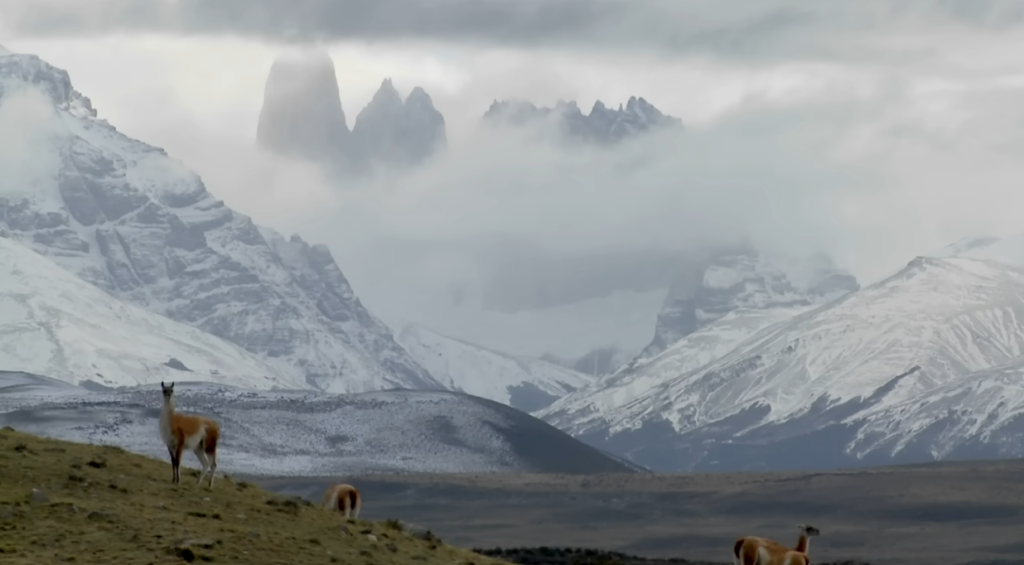
In addition to yogis and seekers, remote workers, burned-out professionals, and Gen Zers who prefer solitude to selfies are experiencing a spiritual renaissance in the Indian Himalayas. You go there to regain focus, not to avoid duty. Trekking is done for emotional recalibration rather than physical difficulty. Meanwhile, Okinawa’s longevity secrets are attracting health tourists. The pace of local life is what truly endures, even though the beaches are certainly beautiful.
The change is equally noticeable for those who remain at home. Despite their lack of flair, Norfolk and Williamsburg provide complex context. These towns are serving as backdrops for understanding—not just where we are, but how we got here—as America approaches its semiquincentennial. Additionally, visitors feel a sense of continuity because their history is conserved rather than packaged.
While looking over this list, I was really struck by how diverse the motivations for each place were. Young entrepreneurs are drawn to Panama City because it combines digital nomad hubs with beach life. Dominica is turning into a green tourist case study. Rather than convenience, people are making decisions based on their curiosity. Make reservations based on values rather than just bargains.
The narrative is also changing in Orlando. Though there is a growing art and culinary scene just beyond the gates, Epic Universe will undoubtedly welcome its anticipated wave of theme park lovers. The city’s cultural fringes are being welcomed by the locals. And more and more tourists are opting to accompany them.
Alaska comes next. Not the cruise type, but the one with radio silence and unadulterated skies. Tourists are doing digital detoxes and staying for a more profound experience: perspective. Alaska provides something that seems earned and private in a time when so much seems performative.
Travel centered around food is still popular, but it’s changing. Snackpacking is about experiences you can taste, not about crossing things off a list. Americans are scheduling coffee crawls in Tokyo districts, sourdough getaways in rural Italy, and mezcal classes in Oaxaca. These are the trip’s main objective; they are not side trips.
Group reservations are subtly changing as a result of multigenerational travel. Families are not just planning for shared housing, but also for shared meaning. One mother-daughter pair I talked to said, “We wanted conversations that last longer than a tan,” which is why they picked Williamsburg over a beach resort.
The underlying theme that unites all of these unexpected locations is that tourists are looking for experiences that transform them. Subtle impressions, not big, cinematic ways. A song by a street performer. Scribbled on a napkin is a recipe. A breeze from a Limón jungle walk, laden with the scent of rain and strange bird sounds.
Americans aren’t making more progress. They’re going farther. Instead of hurrying to flee their life, they are trying to re-establish a connection with the aspects of themselves that routine obscures. Because they provide something that is becoming more and more uncommon—context, clarity, and care—these unexpected locations are important, not because they are inexpensive or fashionable.
