
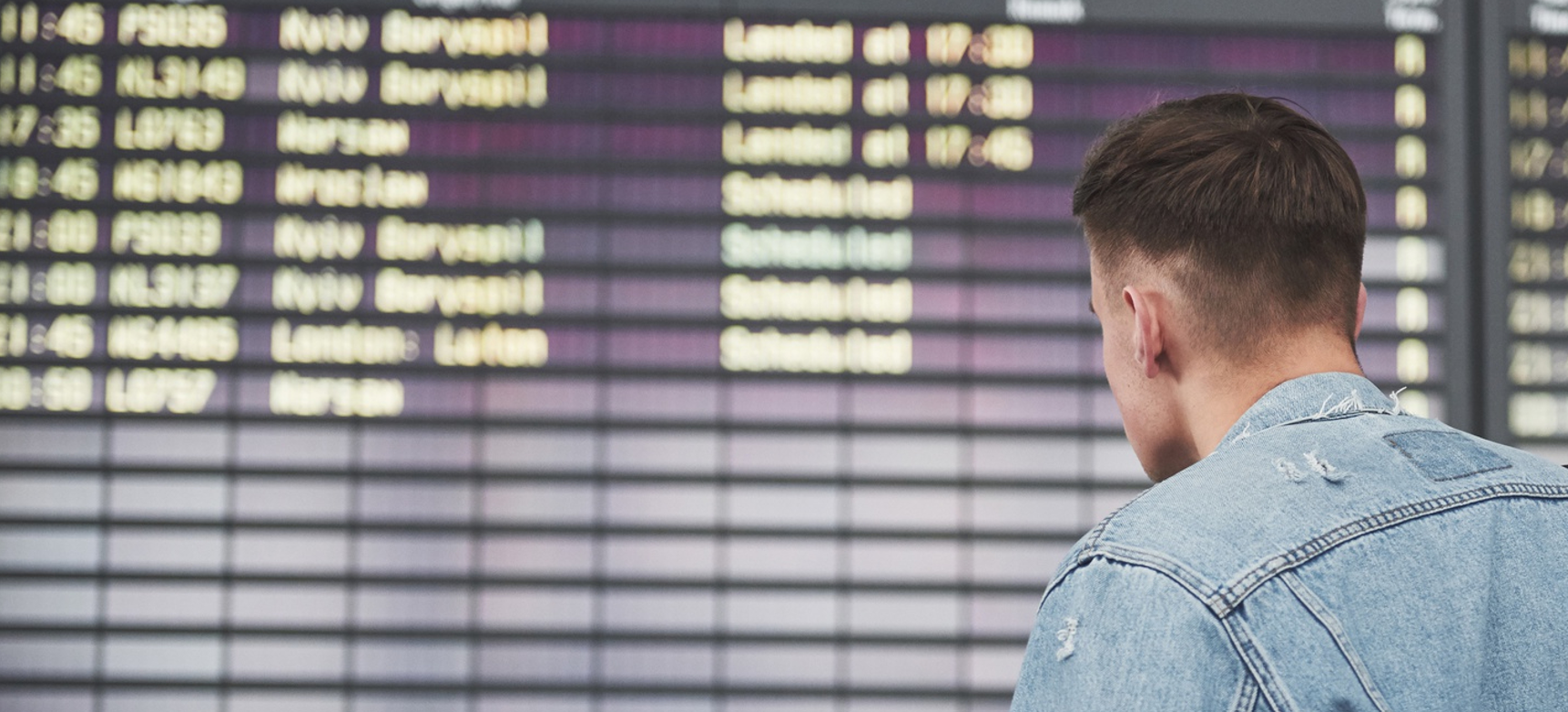

Unconcerned, a tourist updates her airline app while drinking coffee in a terminal full of blinking delay alerts. She is not concerned. She’s holding out for the airline to cancel so she can get a complete refund and, occasionally, other benefits. What it means to fly smart is changing as a result of this subtly clever set of travelers.
Passengers are taking advantage of legal guarantees that many others completely overlook by waiting for the formal cancellation. EU law adds compensation of up to €600 in some circumstances, while U.S. Department of Transportation regulations mandate complete refunds—not just credits—for canceled flights. Travelers are turning inconvenience into opportunity by becoming aware of these rights.
At one airport, I heard a woman calmly inform the airline representative that she would hold off until the cancelation was confirmed. She was ready, not irritated. She graciously refused the agent’s offer of a coupon. “DOT regulations require the cash refund option,” she stated. Although not antagonistic, her tone was forceful. In a matter of minutes, she received approval.
These tales are no longer unique. Refund-savvy passengers who view flight cancellations as opportunities for savings rather than as setbacks have significantly increased during the previous 12 months. In order to expedite refund claims, particularly creative travelers now use apps, chatbots, and even airline Twitter accounts. To support their claims, some even record delays on their screen or save screenshots.
| Key Element | Description |
|---|---|
| Refund Eligibility | Passengers are entitled to a full cash refund if their flight is canceled. |
| Regulatory Support | U.S. DOT and EU rules back compensation and prompt refund obligations. |
| Strategic Timing | Waiting until official cancellation often unlocks better compensation. |
| Tools Travelers Use | Online portals, call centers, and social media are used for faster claims. |
| Popular Travel Platforms | Sites like Expedia and Lastminute.com must refund within 14 days. |
| Common Pitfalls | Vouchers in place of cash, non-refundable fares, and passive cancellations. |
| New Travel Habits | Savvy flyers monitor, wait, and act fast when rules tilt in their favor. |
Travelers frequently find themselves rebooking better flights or opting to wait and cash out by taking advantage of these policies at the appropriate time. This can result in hundreds of dollars being saved for families. It means time protection for business travelers. In any case, the financial worth is becoming strikingly obvious.
There has also been pressure on websites like Booking.com and Expedia. They now guarantee cash returns within two weeks of confirmed cancellations, ending years of ambiguous refund schedules and intricate fine print. Many passengers who had to wait months to receive their money back during the pandemic are far less frustrated now.
Timing is still very important. The claim to reimbursement is frequently nullified by taking action too soon, such as canceling the reservation yourself. Those who wait for the airline to take action, however, are still eligible. It’s a small but crucial distinction that could be the difference between receiving nothing at all and receiving hundreds back.
Many travelers had to learn this lesson the hard way during the pandemic. Before reporting a real cancellation, airlines often issued credit. Vouchers were left behind for those who accepted early. Frequent passengers today are more knowledgeable and are prepared to wait, even if it means spending an additional hour in the terminal.
This method is now even more accessible thanks to new platforms and tools. These days, a lot of apps analyze crew assignments and data patterns to notify users when flights are likely to be canceled. Others suggest refund processes according to regional and airline policies. Compensation claims are becoming simpler and much faster and clearer because to this expanding network of travel assistance products.
Additionally, travel insurance and credit card advantages are becoming more and more significant. Once considered excessive, “cancel for any reason” policies are now thought to be extremely flexible. Many of these plans offer a hassle-free reimbursement of 50–75% of your expenses. Concierge services that handle refund requests on your behalf are now available for some high-end credit cards.
Social media has also evolved into a useful tool. Customer support representatives at airlines frequently reply to public tweets more quickly than they do to phone calls. This visibility can be especially helpful in the event of a dispute. “Still waiting on my refund for flight AA 2253” is a tweet that garners attention. After becoming public, several tourists claim that their reimbursement was processed in a matter of hours.
But the most noticeable change is psychological.
Airline decisions are no longer made passively by passengers. They are more confident in asserting their rights, more knowledgeable, and more outspoken. This change is about realizing your power as a paying client and exercising it effectively and quietly, not about being combative.
“I don’t play games,” a passenger told me as she boarded a new trip after keeping the money from her cancelled one. I simply wait for them to initiate contact.
