
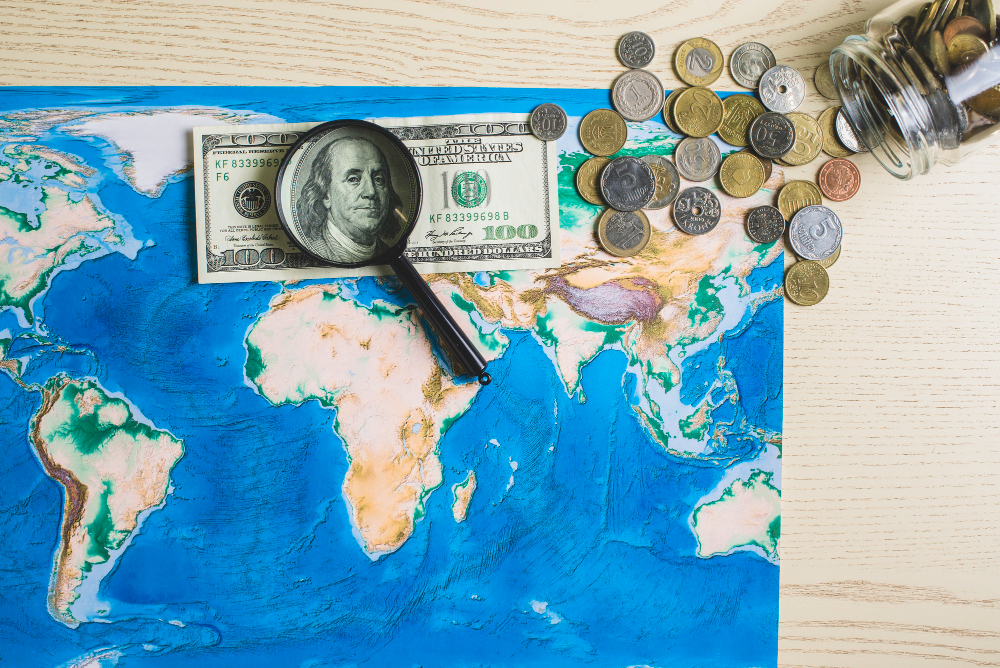

Although it doesn’t always make headlines, a stronger dollar speaks volumes to people who are interested in travel dynamics. Americans are currently learning something subtly amazing: their money now goes a lot farther than it did a few years ago, opening doors that feel both exciting and long overdue.
This has nothing to do with luxury indulgence or elite travel. It’s about something much more democratic—solo travelers expanding their itineraries, honeymooners booking upgraded suites, and families affording international trips they had previously put off because the math finally works.
| Destination/Region | Currency Trend | Travel Benefit | Strategy That Works |
|---|---|---|---|
| Japan | Yen weakened significantly | Hotels, meals, transport all notably cheaper | Prepay accommodations, use local cash for added savings |
| Argentina | Peso value dropped sharply | Luxury experiences at mid-range cost | Monitor black market exchange rate for optimal timing |
| Eurozone (Spain, Italy) | Euro fluctuating but still favorable | Off-season trips remain surprisingly affordable | Book shoulder season with prepaid packages |
| Brazil | Real remains weak | Beaches, food, domestic flights are highly accessible | Leverage early booking tools to lock in value |
| Southeast Asia (Thailand, Vietnam) | Local currencies remain weak vs. dollar | Extended trips are particularly budget-friendly | Long-stay travelers benefit from multi-currency cards |
One of the most notable examples is Japan. What was once thought to be an expensive destination is now suddenly within reach thanks to the yen’s recent decline against the dollar. Previously $40 meals now cost less than $25. First-time visitors may find the rates at boutique hotels surprisingly low. Not only is it less expensive, but it’s also very evident that now is the time to act.
Argentina presents a similar narrative, but with a twist. Travelers who are aware of the local “blue dollar” rates can stretch their budgets in ways that seem almost unreal due to currency controls and layered exchange systems. Experiences that used to seem expensive, like multi-course steak dinners in Buenos Aires or private wine tastings in Mendoza, are now surprisingly reasonably priced. Knowing when and where to exchange money can make the difference between good and remarkable value, so it’s important to do your homework.
In the last two months, I saw a friend pay less for a five-star hotel in Tokyo than she had for a three-star one in Boston the previous summer. This type of change is quantifiable and occurring in several different regions; it is not anecdotal.
Recent changes in the value of the euro have given travel plans in Southern Europe more flexibility. The currency hasn’t declined as much as the yen or peso, but it has opened up windows where travel and lodging are favorable, particularly during shoulder seasons. American tourists looking for warm vacations without the Caribbean price tag have been increasingly drawn to Spain and Portugal in particular.
In the meantime, Southeast Asia continues to be a popular destination for tourists on a tight budget, and the relative strength of the dollar only serves to increase that benefit. Long-distance train rides, rooftop bars, and guided tours can still be had in countries like Thailand and Vietnam for less than the price of a night out in most American cities. This area is still very flexible for remote workers and digital nomads, particularly for month-long stays that encourage more leisurely travel.
The way that travelers are utilizing tools that were previously only available to financial analysts is especially inventive at this time. Prepaid travel cards that lock in favorable rates, currency tracking apps, and airline alerts triggered by FX movements are no longer exceptions; they are now commonplace. Many Americans are creating more intelligent itineraries based on economics rather than just emotion by utilizing these digital tools.
This year offers something worthwhile for individuals who view travel as a seasonal activity: “stackable value.” At that point, a combination of favorable exchange rates, cheap local services, and airfare savings make the trip seem almost too good to refuse. It’s all coming together at once, not just a cheap flight or a good hotel rate.
Making reservations now can be a very powerful strategy to protect against volatility, especially if you’re traveling within the next six to nine months. Exchange rates can fluctuate quickly in response to even small changes in central bank decisions or international policy. However, you’re effectively locking in the upside by taking early action, such as booking guided packages or paying in advance for rooms.
If all of this seems excessively strategic, think of it as another form of effective planning. It’s similar to selecting a rail pass that will save you money over time or finding a direct flight that will cut your travel time by several hours. It so happens that one of the most underutilized tools in a traveler’s toolbox is currency awareness.
More Americans are anticipated to take advantage of these special opportunities in the upcoming months, particularly as the world’s tourism industry gradually recovers. The benefit is psychological as well as financial. You travel more freely, try new things, and come home with more than just pictures—you also feel like you’re making a difference.
Therefore, this might be your window of opportunity if you’ve been waiting for the right moment to travel somewhere new or return to a location that previously seemed financially unattainable. The odds are on your side. The timing is perfect. Additionally, the dollar is helping you out for once.
