

The Olympic National Park remains identified as those of Joseph Louis Serrao Jr. have finally given his family answers after nearly three decades, following a forensic genealogy effort that traced his DNA through living relatives. The National Park Service confirmed the identification in a press release, crediting collaboration between its Investigative Services Branch, the King County Medical Examiner’s Office, and forensic laboratory Othram.
How the Olympic National Park Remains Were Found and Preserved
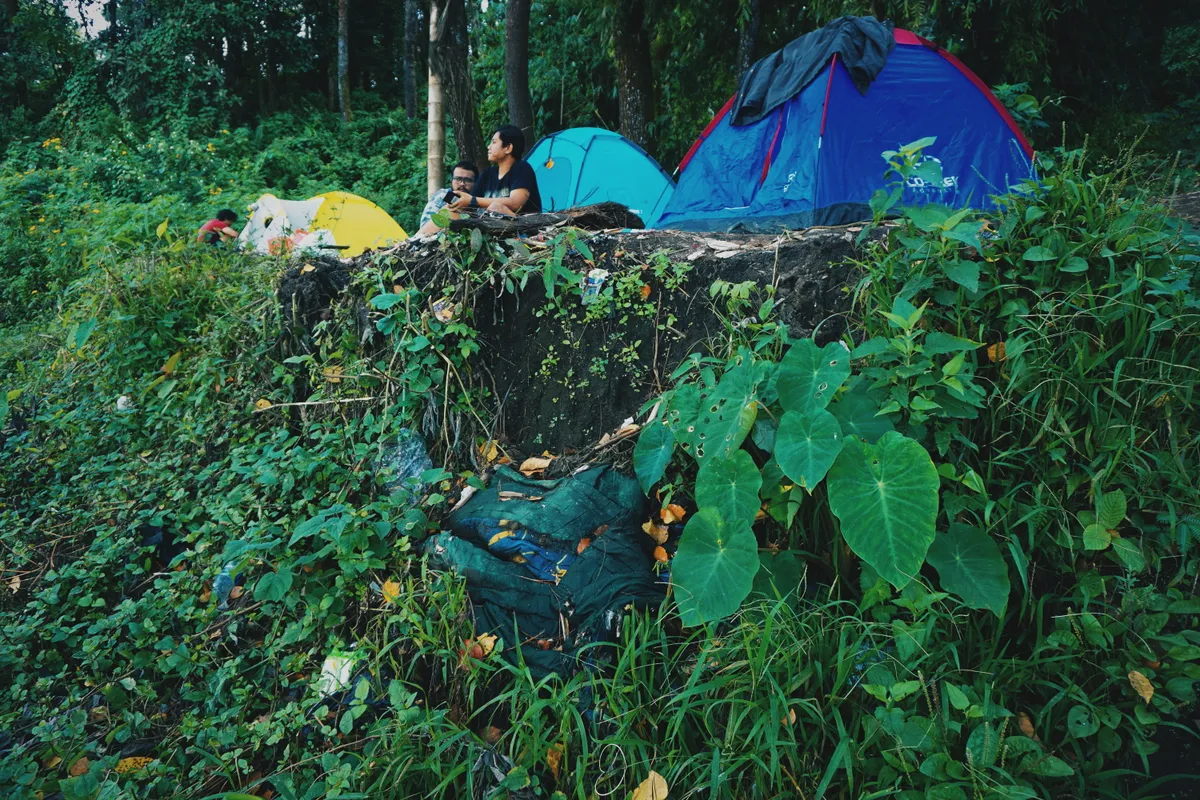
The case began in July 2000, when a researcher discovered skeletal remains inside a sleeping bag in a tent in a remote area of the Sol Duc River drainage within the park, according to National Parks Traveler. The remains were promptly transferred to the King County Medical Examiner’s Office, where examiners determined they belonged to a man aged between 30 and 50 and had likely been deceased for somewhere between six months and four years.
Items recovered from the tent included binoculars, a day hiker pack, a shoulder bag, a folding saw, a blanket, and winter gear. No viable fingerprint could be obtained from the evidence available at the time, and no identification was found at the scene, leaving investigators without a clear lead on the individual’s identity for well over two decades.
Serrao had originally come from Hawaii and had been spending time in Washington before going missing. His relatives had not seen or heard from him since 1998.
Forensic Genealogy Breaks the Case Open
The breakthrough came in 2024, when a forensic anthropologist with the King County Medical Examiner’s Office submitted a DNA sample from the decedent to Othram, a laboratory specialising in forensic genealogy, according to National Parks Traveler. Within roughly a year, Othram’s team had used DNA markers derived from that sample to identify Serrao’s family members.
Once family members were identified, the NPS Investigative Services Branch made contact and requested that relatives submit their own DNA samples for comparison. That process confirmed the identification, formally closing a case that had remained open since the remains were first discovered.
The technique applied here, forensic genealogy, has become an increasingly relied-upon tool in cold-case investigations, using genetic genealogy databases to trace unknown individuals through distant relatives. The Olympic National Park remains identified case illustrates both the patience the approach demands and the results it can deliver.
NPS Speaks on the Olympic National Park Remains Identified Case
Debra Flowers, deputy chief of the NPS Investigative Services Branch, addressed the outcome directly. ‘This case remained unresolved for nearly 30 years, but investigators never lost sight of the goal of identifying this individual and finding answers for his family,’ Flowers said in the NPS press release. ‘I’m proud of the persistence and collaboration that made this identification possible, and I hope it brings some measure of closure to those who have spent so many years wondering what happened to Joseph.’
The statement reflects the scale of the effort involved: evidence collected in 2000 sat unresolved through multiple rounds of forensic review before the DNA submission to Othram finally moved the case forward. The Olympic National Park remains identified result is a direct product of that sustained institutional commitment.
Questions That Remain Unanswered
The cause and precise circumstances of Serrao’s death have not been officially confirmed publicly. Online commentary has speculated on various possibilities, including a medical episode, exposure, or a self-inflicted injury, with one archived post cited by commenters suggesting a self-inflicted gunshot wound. None of those theories has been confirmed by the NPS or the King County Medical Examiner’s Office in publicly available statements.
The absence of identification on Serrao at the time of discovery also drew discussion, with some observers noting that many backcountry hikers do not carry ID, while others found it unusual given the range of gear he had with him.
With the identification now confirmed and family notified, the NPS Investigative Services Branch considers the case resolved. Serrao’s relatives, who had been without answers since 1998, have now been formally informed of the outcome.
