
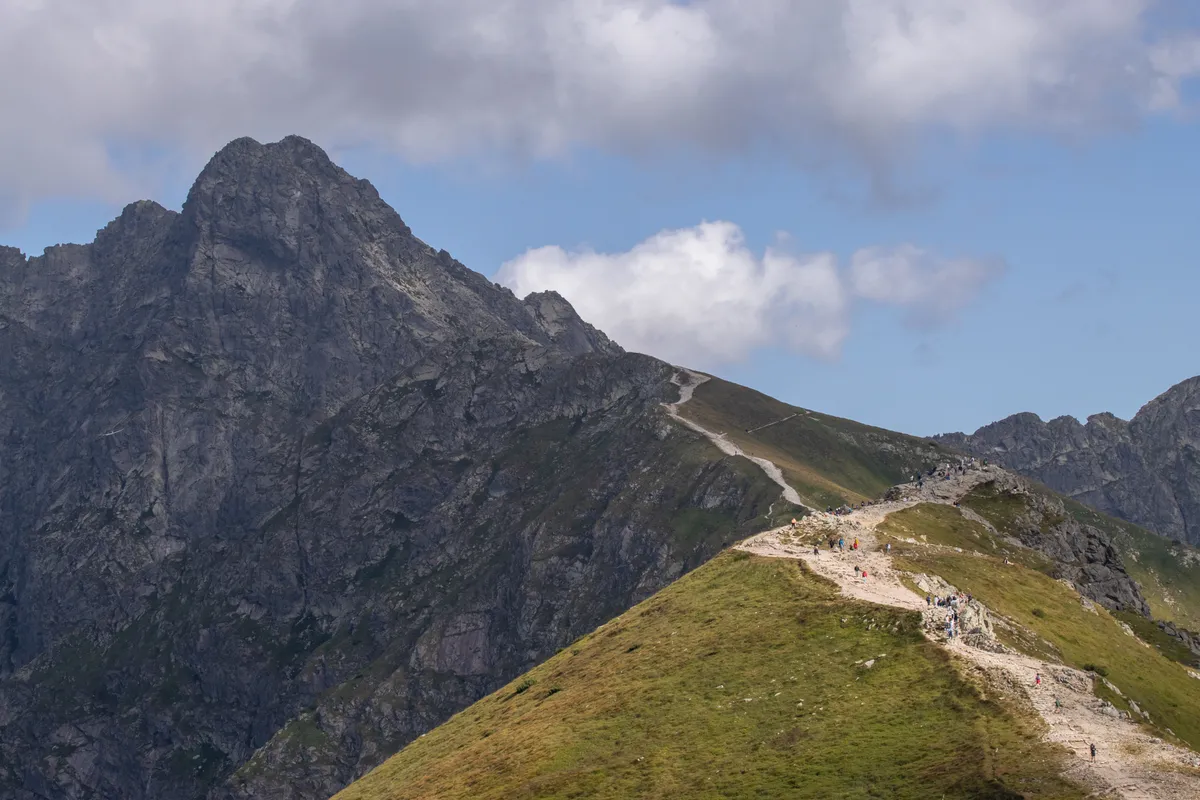

The Grand Lake entrance to Rocky Mountain National Park is drawing renewed attention from travel operators as a viable, low-friction access point into one of the United States’ most congested park sites, particularly now that Trail Ridge Road has opened for the 2026 season. While the park’s east-side Estes Park gate remains the default routing for most visitor itineraries, the west-side Grand Lake entrance offers a materially different experience: no queues, near-empty trailheads, and straightforward entry logistics that agents and tour planners would do well to factor into product design.
The Case for Rerouting Through Grand Lake
Rocky Mountain National Park operates a timed-entry reservation system in 2026, continuing the practice even as other parks in the National Park Service portfolio have stepped back from it. The detail that matters for itinerary planning is the reservation window. According to the Colorado Newspaper, visitors wanting access to all areas of the park except the Bear Lake corridor, including Trail Ridge Road, need a reservation only to enter between 9am and 2pm. Arriving before 9am sidesteps the reservation requirement entirely, a scheduling detail that opens up meaningful flexibility for packaged day-trip products routed via Grand Lake.
Wait times at the Estes Park gate can exceed 40 to 60 minutes, particularly on weekends, even for visitors holding valid reservations. At Grand Lake, by contrast, the approach road is largely clear from early morning. One account of a Sunday arrival at 7am found no queue at the ranger booth and immediate access to Trail Ridge Road, the 48-mile scenic corridor connecting Grand Lake to Estes Park across the park’s alpine spine.
Trail Ridge Road and the 2026 Season Opening
The timing of Trail Ridge Road’s opening is operationally relevant for anyone building summer programmes into Rocky Mountain. The road peaks at more than 12,000 feet in elevation, and the Colorado Newspaper reports that crews started plowing this year in the last week of April. On average, plowing operations take 42 days to complete before the road can open, making late May or early June the realistic window for access in most years. The 2026 opening came earlier than in some previous seasons, extending the period during which Trail Ridge Road is usable as a transit corridor across the park.
The road’s opening matters beyond scenery. It is the primary vehicle route linking the park’s east and west sides, meaning Grand Lake-based itineraries can now include a one-way traverse to Estes Park, or vice versa, for coach and self-drive products alike.
What the West Side Offers Operators
The Kawuneeche Valley on the park’s west side holds several trailheads that see a fraction of the footfall directed at the Bear Lake area near Estes Park. The Coyote Valley Trail, approximately one mile with 45 feet of elevation gain, is suited to mixed-ability groups and provides reliable wildlife-viewing in the valley meadow. The Timber Lake Trail, a 10.6-mile round trip with 2,395 feet of elevation gain, caters to more active itineraries and has been reported as near-empty even on peak weekend mornings, with parking lots on the west side running well below capacity during busy periods.
One practical caveat for operators: a portion of the Timber Lake Trail is currently washed out due to an active landslide area, with two sections requiring hikers to scramble over large logs. Ground operators should brief clients accordingly and monitor trail condition updates before departing.
The wider access equation also shifts when routing via Grand Lake. Amtrak‘s California Zephyr serves Granby, approximately 20 minutes from the Grand Lake entrance, providing a car-free feed from Salt Lake City that some operators have started to incorporate into multi-modal packages. For travel businesses building product around Rocky Mountain National Park, the combination of easier entry, uncrowded trails, and a rail connection to Granby makes the west side a credible alternative anchor for itineraries that have historically defaulted to Estes Park without much examination of the trade-offs involved.
