
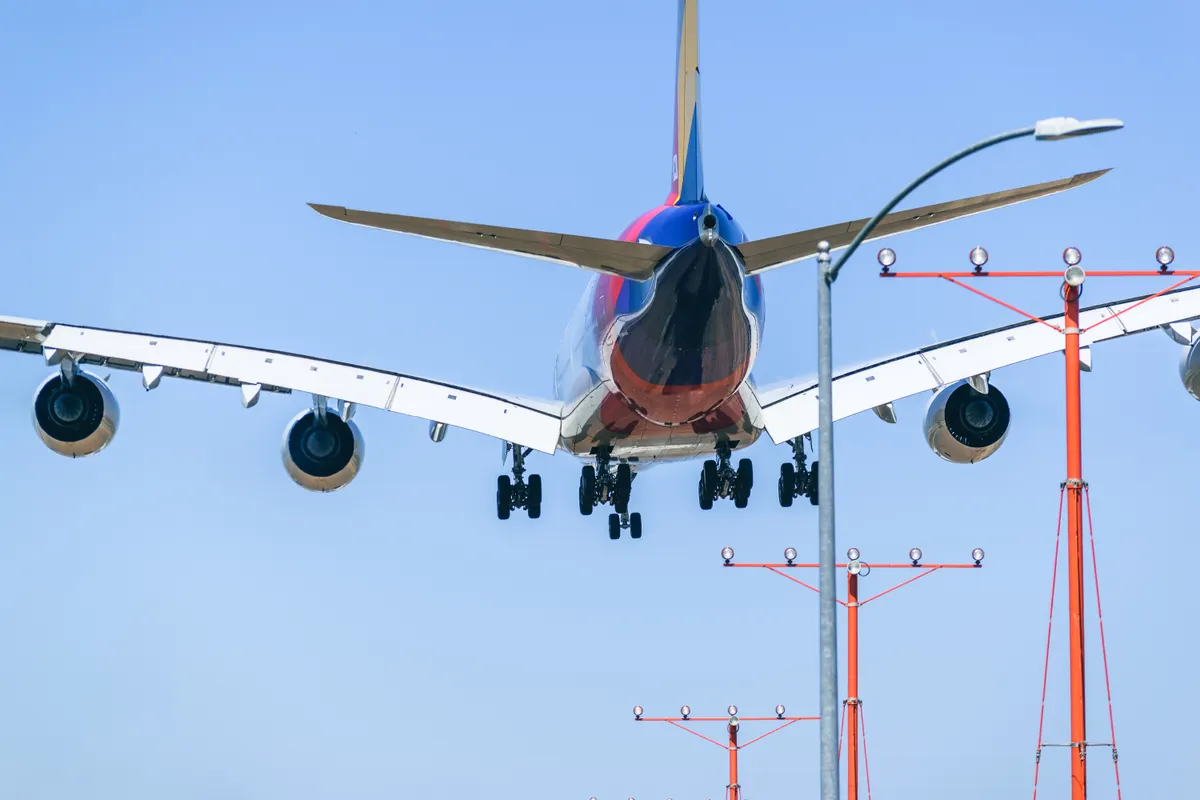

The Air Canada AC774 taxiway excursion at Montréal-Pierre Elliott Trudeau International Airport on the evening of 9 July left 162 people on board uninjured but triggered a north runway closure that, according to TechTimes, disrupted more than 150 flights and left the Transportation Safety Board of Canada deploying investigators to the scene.
Flight AC774 had departed from Los Angeles International Airport and was landing at YUL when, according to Travel and Tour World, the aircraft slid off the taxiway during heavy rainfall. TechTimes reported that the Boeing 737 MAX left the paved surface at 55 knots. The aircraft came to rest on the grass a short distance from the taxiway. Air Canada confirmed no injuries were reported among the 156 passengers and six crew members on board.
Runway Closure and the Air Canada AC774 Taxiway Excursion’s Operational Impact
The airport activated its Emergency Coordination Centre following the incident. The north runway, designated 6L/24R, was temporarily closed to allow a safe evacuation of passengers. NAV Canada, which manages Canada’s civil air navigation system, warned that delays were affecting flights at YUL as a result of reduced runway availability following the aircraft incident and weather conditions in the region.
According to The Montreal Gazette, Runway 6L/24R reopened around 9:45 p.m. on the evening of 9 July. Even so, the scale of disruption across the hub was considerable: TechTimes reported the closure affected more than 150 flights in total. NAV Canada advised its team was moving aircraft safely and as quickly as possible and urged travellers to check flight status with their airline. No flight cancellations were reported by CBC in the immediate aftermath, though delays of up to an hour were recorded.
Passengers on board AC774 were transported to the terminal by bus after the aircraft came to rest on the grass, but they remained on board for roughly three hours, according to a passenger who spoke to CBC. Air Canada confirmed to Montreal City News at 7:38 p.m. that all passengers had arrived inside the terminal.
Passenger Accounts and the Investigation
Edelston Peterson, a passenger on the flight, described the landing to CBC. ‘We were going very fast, and suddenly there was a big smoke smell and the next thing I knew, we were tumbling on the grass,’ Peterson said. ‘There was smoke, dirt and grass right at my window, so I couldn’t see outside.’ Peterson subsequently posted a video to Facebook, saying: ‘Thanks to all the crew and first responders for their incredible work.’
The Transportation Safety Board of Canada confirmed it is investigating the incident. ‘We are deploying investigators to the scene to gather information and assess the accident,’ a spokesperson said in an email to CBC. Air Canada stated that the aircraft would be towed to a hangar for inspection and that the airline would conduct a detailed investigation while working with authorities to establish what happened.
The Air Canada AC774 taxiway excursion adds to a period of heightened scrutiny for runway and taxiway safety across North American airports. The combination of a 55-knot slide and heavy rainfall at the time of the incident will be central threads for TSB investigators to examine as they piece together the sequence of events after touchdown.
The incident also compounded existing weather-related disruption at YUL. NAV Canada cited weather in the region alongside the runway closure as dual factors in the delays affecting the airport that evening, underscoring how a single taxiway excursion can amplify pressure on an already-constrained operation.
Global News reported that airport officials warned travellers to check flight status before heading to Montreal-Trudeau. Travellers connecting through YUL or holding onward bookings were advised to contact their airline if there was any risk of a missed connection. The TSB investigation is now under way, with its findings set to determine what caused AC774 to leave the paved surface and inform any subsequent guidance to operators.
