
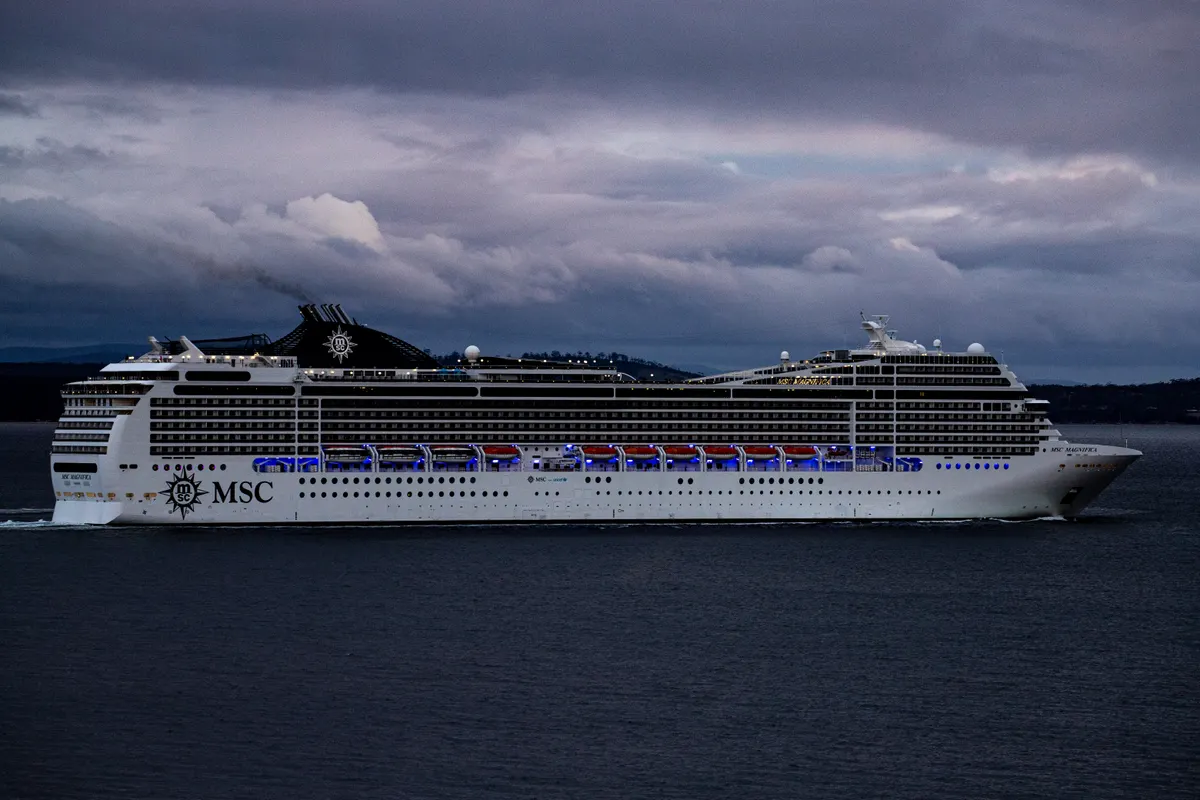

The Icon of the Seas Galveston move confirmed by Royal Caribbean will see the ship depart Miami for the Texas port from August 2027, sailing Western Caribbean itineraries through at least April 2028 in what amounts to one of the most consequential fleet deployment changes the Gulf Coast has seen.
Icon of the Seas Galveston Move: The Deployment Details
Royal Caribbean plans to reposition Icon of the Seas, which debuted in 2024 and measures nearly 1,200 feet in length, from its current Miami homeport to the Port of Galveston. The ship has operated seven-night Caribbean itineraries from Miami since launching, but from August 2027 those sailings will depart Texas instead. The cruise line told TheTravel it had not provided comment by the time of that publication.
Florida is not being vacated. Royal Caribbean is scheduling a fourth Icon Class vessel, Hero of the Seas, to debut in Miami in August 2027, effectively replacing Icon of the Seas at the Florida homeport. The line also continues to operate several major ships from Florida ports, and Symphony of the Seas is moving in the opposite direction, transferring from Galveston to Port Everglades as part of the broader fleet rotation.
The repositioning reflects where cruise lines are detecting demand growth. Estimates in the report put the drive-to catchment within reach of Galveston at somewhere between roughly 46 million and 65 million people, a figure Florida’s ports, which require air travel for most passengers outside the state, cannot replicate. For families comparing total holiday costs, eliminating transatlantic or domestic airfare, airport hotels and car hire can offset a nominally higher cruise fare.
Galveston’s Infrastructure Is Scaling to Match Ambition
The Icon of the Seas Galveston move arrives as the port is mid-expansion. Terminal 16, which Strategic Partnerships, Inc. reports opened in November 2025 at a cost of approximately $156 million, now handles MSC Cruises year-round and Norwegian Cruise Line during the winter season. The terminal’s opening added material berthing capacity ahead of Royal Caribbean’s commitment.
Beyond Terminal 16, the port is considering a fifth cruise terminal at Pier 14. A recently completed 107-page traffic study examined the proposal and found it would have minimal impact on surrounding roadways. According to the Port of Galveston’s official planning documentation, the study assessed Harborside Drive and other routes serving the port’s east cruise area, removing one of the more prominent planning concerns attached to the project. Royal Caribbean, which already operates from Terminal 10, is cited as a driver of interest in the Pier 14 development.
The economic projections attached to the fifth terminal are considerable. The port is projecting nearly four million passenger movements in 2026 and approximately 445 to 446 cruise sailings for the same year. The proposed Pier 14 terminal is expected to support 1,500 new jobs, generate $278 million in direct business revenue, and contribute $91.5 million in personal income. Galveston’s 20-year master plan carries a total investment figure of $2.45 billion, covering cruise terminals, hotels and supporting infrastructure.
Taken together, those numbers illustrate a port operating well beyond the capacity of a regional niche. Galveston has positioned itself as what local tourism officials call the cruise capital of America, and the infrastructure pipeline now beginning to match that ambition.
For travel agents and tour operators handling bookings for the ship, the operational shift is practical and immediate. Passengers who have historically routed through Miami International Airport will need to plan transport into Galveston instead. Pre-cruise hotel inventory, transfer logistics and embarkation-day ground arrangements all change. Agents pricing packages should factor total itinerary cost rather than cruise fare alone: a Galveston departure that removes return airfares for a Texas-based family group can represent a meaningfully lower all-in price even before cruise-specific discounting.
The broader industry pattern is clear. Cruise lines are moving some of their highest-profile tonnage away from Florida’s congested ports and placing it closer to regional passenger concentrations. Florida will remain the largest cruise hub by passenger volume, and Miami, Port Canaveral and Port Everglades continue to handle millions of embarkations annually. But the Icon of the Seas Galveston move, combined with Galveston’s $2.45 billion master plan and the Pier 14 proposal still working through planning, signals that the Gulf Coast intends to compete for the industry’s flagship deployments rather than simply absorbing overflow capacity. The port’s next planning milestone will be a decision on the fifth terminal at Pier 14.
