
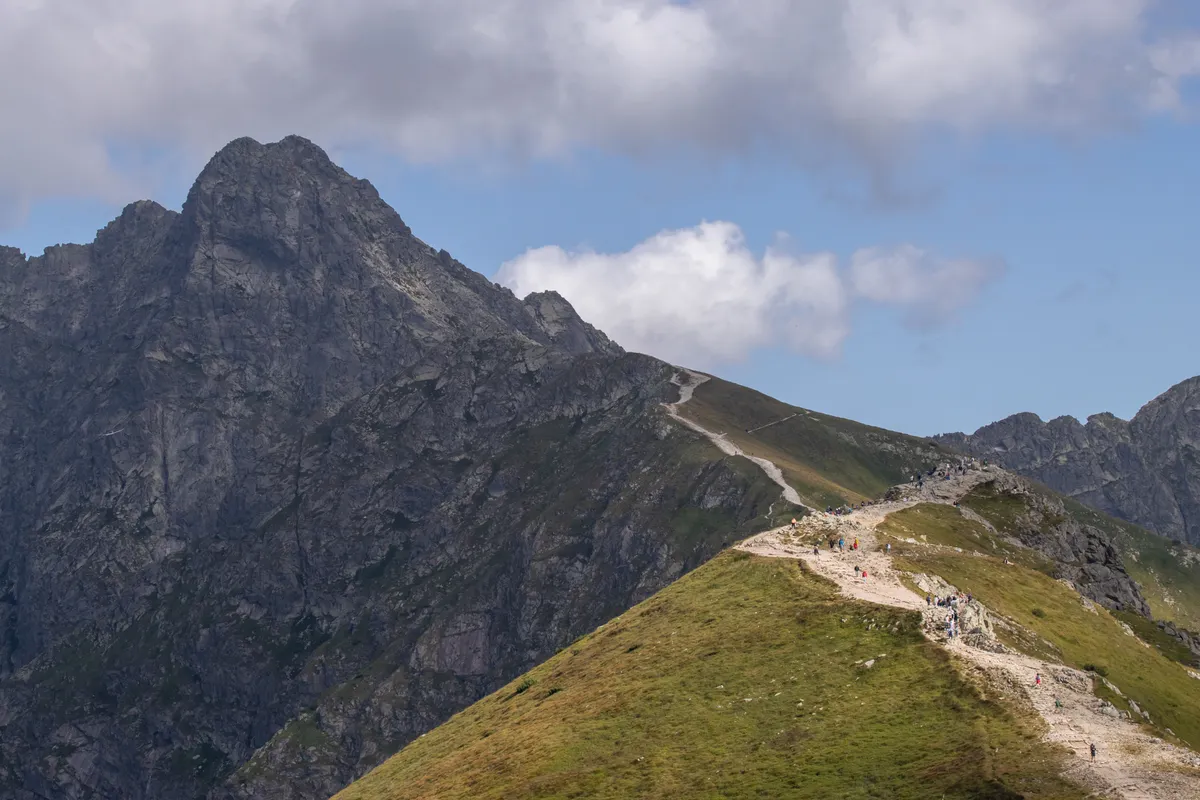

Anyone drawing up Rocky Mountain National Park tips for 2026 needs to start with one fact the park’s own notice makes plain: Rocky Mountain National Park (U.S. National Park Service) will require timed-entry reservations between 9am and 2pm daily from 22 May through 12 October 2026. That is the single biggest change to visit planning in the park this season, and arriving without a reservation slot during those hours will cost you the day.
The context behind that policy is straightforward. According to My Colorado Parks, the park drew 4.67 million visitors in 2019, the bulk of them arriving in July and August. Demand has not fallen since. The timed-entry system is a direct response to infrastructure and visitor experience being stretched beyond comfortable limits at peak hours.
Book Your Rocky Mountain National Park Entry Slot Before Anything Else
Reservations for the timed-entry window are handled through Recreation.gov. The window runs from 9am to 2pm, meaning arrivals before 9am or after 2pm do not require a reservation, but those early-morning slots fill trailhead car parks before most visitors have finished breakfast. Arriving at 5am or 6am, before the reservation window opens, remains one of the most reliable ways to secure a parking spot at the busiest trailheads without competing with the reservation queue.
Travel writer Nicole Hansen, who has visited 15 national parks including Rocky Mountain, advises going directly to your target trailhead on arrival rather than stopping at scenic pull-outs along the way. Car parks at popular trailheads fill fast, and any detour, however brief, can cost a parking space.
The West Entrance Carries Extra Complications in 2026
Visitors planning to use the Grand Lake entrance on the west side should note an additional operational issue this season. According to the Colorado Sun/Coloradoan, construction projects on the west side will affect the Grand Lake entrance, and Timber Creek Campground will close from 10 August for sewer system repairs. Anyone with accommodation or itinerary plans built around that campground will need to rebook well ahead of that date.
The west entrance does offer a genuine crowd-avoidance benefit in normal conditions. Hansen notes from personal experience that taking the west-side entry on a busy Labour Day weekend, when roughly 60,000 visitors arrived over three days, allowed her to complete a 12-mile round-trip trail and encounter only eight other people. The trade-off is sacrificing the name-recognition trails; the west side tends to run longer and less-signposted routes.
Rocky Mountain National Park Tips That Apply Beyond the Reservation Window
The timed-entry system controls morning and midday access, but a full-day itinerary requires more than a reservation slot. Hansen identifies several operational pitfalls that consistently catch first-time park visitors.
Restrooms are among the least-planned elements of a park day. Most restroom facilities outside of visitor centres are basic at best, with limited capacity. Hansen recommends stopping at the visitor centre on arrival to use plumbed facilities before continuing to a trailhead, rather than joining the queue at a trailhead port-a-potty when 50 hikers are trying to set off simultaneously. That wait alone can cost 30 minutes.
Knowing the name of the trailhead or car park, not just the trail itself, is a separate and easily overlooked detail. Rocky Mountain’s infrastructure is designed to minimise physical impact on the landscape, which means parking areas sometimes serve multiple trails and may be marked by a mile post rather than a trail name. Mapping the car park name in advance prevents the common experience of driving past the correct turning because the signage does not match the trail name on the itinerary.
On food and water, the guidance is simple and firm: bring more water than feels necessary, and plan food around temperature and altitude. A 2,000-foot elevation gain will pressurise sealed snack bags; deli food will degrade quickly in a pack exposed to direct sun. The standard hiking benchmark is one litre of water per person per hour on trail.
For the afternoon, once the main hike is done and the most-visited car parks are full and looping, Hansen recommends consulting a ranger at the visitor centre for quieter alternatives. Leaving the park around 4pm puts visitors in the worst of the outbound congestion in gateway towns; staying until 6pm or 7pm, or leaving earlier for dinner and returning, sidesteps the worst of it.
With Timber Creek Campground closing from 10 August and timed-entry reservations required through 12 October, operational planning for a late-summer visit to Rocky Mountain carries more moving parts than in previous years.
