
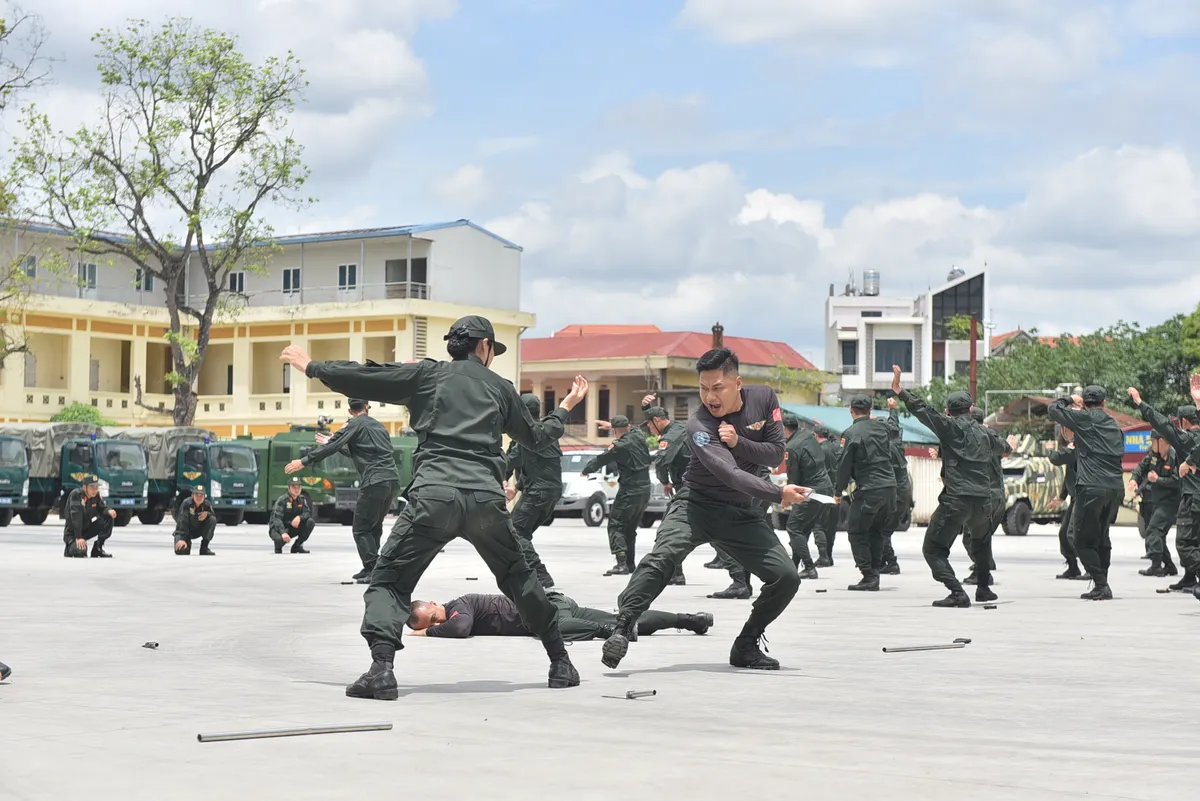

Canada’s Global Affairs Canada has updated its travel advisory to warn that Taiwan’s air defense drills, running between 7 and 13 August 2026, are mandatory for everyone present in the country, tourists included, with non-compliance carrying fines of between 30,000 and 150,000 TWD (CA$1,300 to CA$6,500).
The advisory, updated on 5 August, covers Taiwan’s Urban Resilience (Air Defense) Exercises. These drills form part of the annual Han Kuang exercises, Taiwan’s largest military war game, and simulate responses to scenarios including disaster rescue operations, internet network disruptions, and potential military threat from China. During the exercises, anyone outdoors may be ordered to seek shelter, and disruptions to 4G and 5G mobile data services are expected across central and northern Taiwan.
Taiwan Air Defense Drills: Schedule and Regional Scope
The exercises are being conducted in three regional tranches. In the south, covering Tainan, Kaohsiung, and Pingtung, the drill ran on 7 August from 10:00 to 10:30. Central Taiwan, including Miaoli, Taichung, Changhua, Nantou, Yunlin, and both Chiayi County and Chiayi City, is scheduled for 10 August from 14:30 to 15:00. Northern Taiwan, encompassing Taipei, New Taipei, Taoyuan, Keelung, both Hsinchu City and Hsinchu County, and Yilan, follows on 13 August from 14:30 to 15:00.
The timing of the southern Taiwan exercise is not accidental. According to the Taipei Times, the south was given an earlier morning slot specifically because its drill falls on a day when the Taiwan Stock Exchange is open, and an afternoon slot would have clashed with active trading hours. The central and northern tranches, falling later in the week, do not carry the same constraint.
On 10 August, Taiwan is also slowing mobile internet speeds for the first time during the drills in central Taiwan. The aim is to evaluate how citizens and authorities would communicate if bandwidth were severely constrained, whether by a natural disaster or a military emergency.
Canada Maintains Level 1 Rating Despite Taiwan Air Defense Drills
The updated advisory does not alter Canada’s overall assessment of Taiwan as a destination. Global Affairs Canada maintains a Level 1 travel advisory for Taiwan, advising travellers to take normal security precautions. Violent crime is described as rare, though petty crime including pickpocketing and theft does occur. Road conditions and safety are said to vary greatly across the country, with hazards during the rainy season from May to October, risks of landslides making some roads impassable, and motorcycle and scooter drivers described as not respecting traffic laws.
Travellers should also be aware that protests occur periodically. Even peaceful demonstrations can escalate unexpectedly or disrupt traffic and public transport, and Global Affairs Canada advises monitoring local media for updates.
On financial security, Canadians are urged to pay close attention when cards are handled by others, avoid card readers with unusual features, cover keypads when entering PINs, use ATMs only in well-lit secure locations such as inside a bank, and check account statements for unauthorised transactions.
Entry Requirements: TWAC and Visa Rules for Canadians
Canadians do not require a visa for tourist or business stays of up to 90 days in Taiwan. A stay can be extended for a further 90 days by applying to the Taiwan Bureau of Consular Affairs from within the country. Stays exceeding 180 days require a visa obtained before departure.
Customs officials may ask travellers to present a return or onward ticket and evidence of sufficient funds. Passports must be valid for at least six months beyond the scheduled departure date.
Effective 1 October 2025, most visitors including Canadians must complete the Taiwan Arrival Card (TWAC) online within three days before arrival. The form is free of charge via the official TWAC website. Global Affairs Canada warns that fraudulent websites and third-party agents are charging service fees for the TWAC and may collect personal information for unauthorised purposes: travellers should use only the official channel.
With the central Taiwan drill on 10 August and the northern Taiwan drill on 13 August still ahead, travellers already in the country or arriving this week should confirm their locations against the regional schedule and follow instructions from local authorities.
