
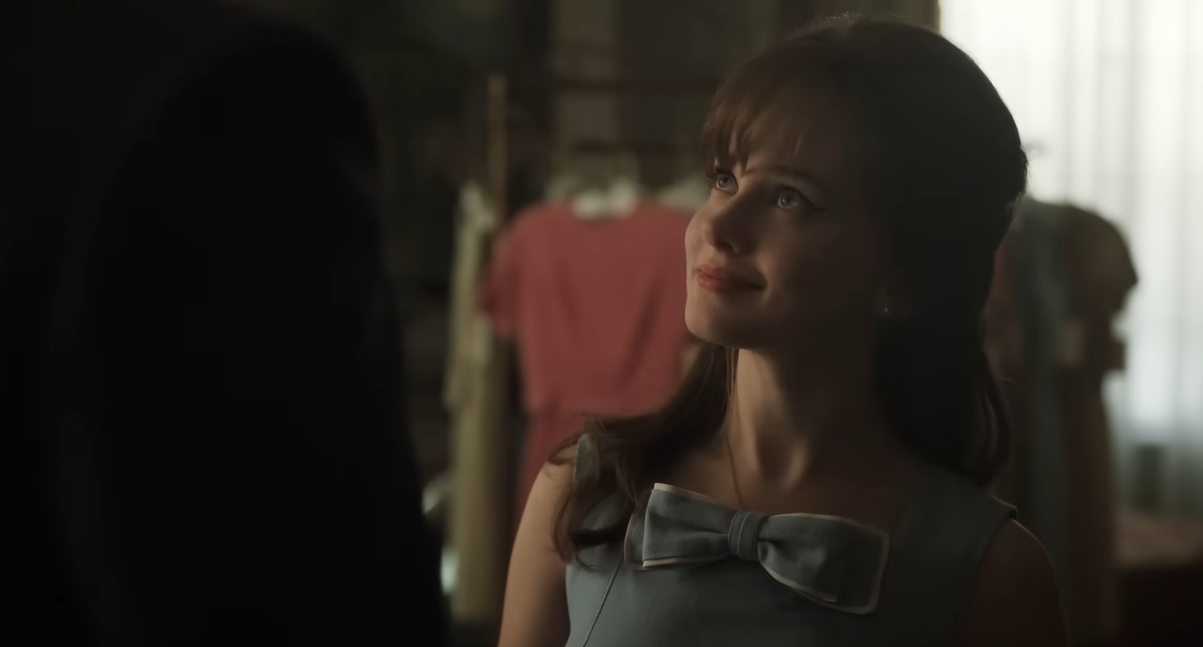

Even in the more lax 1960s, the fact that Elvis Presley met Priscilla Beaulieu at the age of 14 was rarely overlooked. The fact that she was still in high school and he was already well-known throughout the world—having just been deployed to Germany—created a power imbalance that is remarkably comparable to many of the cautionary tales we now analyze with more depth. She was dressed for school. He was dressed in fatigues. One had homework in mathematics, while the other was burdened with mother loss and brand protection.
According to her own description, the relationship was intensely emotional and molded more by mutual vulnerability than by instant passion. The age gap nevertheless influenced each subsequent chapter. Priscilla said she was enthralled with Elvis because he was kind and giving but also domineering. He went back to Graceland while she stayed in Germany, and their correspondence became the bond between them. He continued to be affectionate through letters. He had power through his popularity.
It was a negotiated agreement, with her parents only accepting under written guarantees, that she moved into Graceland at the age of 17. Elvis assured her that she would be closely watched and finish her school. Once presented as romantic, that action now enables more nuanced interpretations. Was it a narrative about love? Or a staged story with a teenage girl at its core?
| Key Detail | Information |
|---|---|
| Date of First Meeting | September 13, 1959 |
| Priscilla’s Age at Meeting | 14 years old |
| Elvis’s Age at Meeting | 24 years old |
| Meeting Location | Bad Nauheim, West Germany (at a private party hosted during Elvis’s military service) |
| Priscilla’s Background | Stepdaughter of U.S. Air Force officer, living with her family in Germany |
| Elvis’s Status at the Time | Global music icon, grieving his mother’s death, fulfilling military duty |
| Nature of Early Relationship | Emotional bond, non-physical according to Priscilla; frequent correspondence after Elvis returned to the U.S. |
| Parental Involvement | Priscilla’s parents were initially opposed but later permitted her to visit Graceland under strict conditions |
| Move to Graceland | 1963, at age 17; under promise to complete schooling and remain supervised |
| Wedding Date | May 1, 1967 |
| Priscilla’s Age at Marriage | 21 years old |
| Elvis’s Age at Marriage | 32 years old |
| Birth of Lisa Marie Presley | February 1, 1968 |
| Divorce Finalized | October 9, 1973 |
| Cultural Scrutiny | Ongoing; debates over age gap, consent, grooming, and emotional control |
| Public Statements by Priscilla | Describes Elvis as the love of her life; acknowledges influence and pressure she felt during the relationship |
| Legacy Role | Preserved Elvis’s estate; businesswoman; film producer; cultural ambassador for his legacy |
| Media Portrayals | Priscilla’s perspective depicted in Elvis and Me memoir and the 2023 film Priscilla |
| Controversies Today | Renewed focus on age difference, power dynamics, and evolving cultural standards |
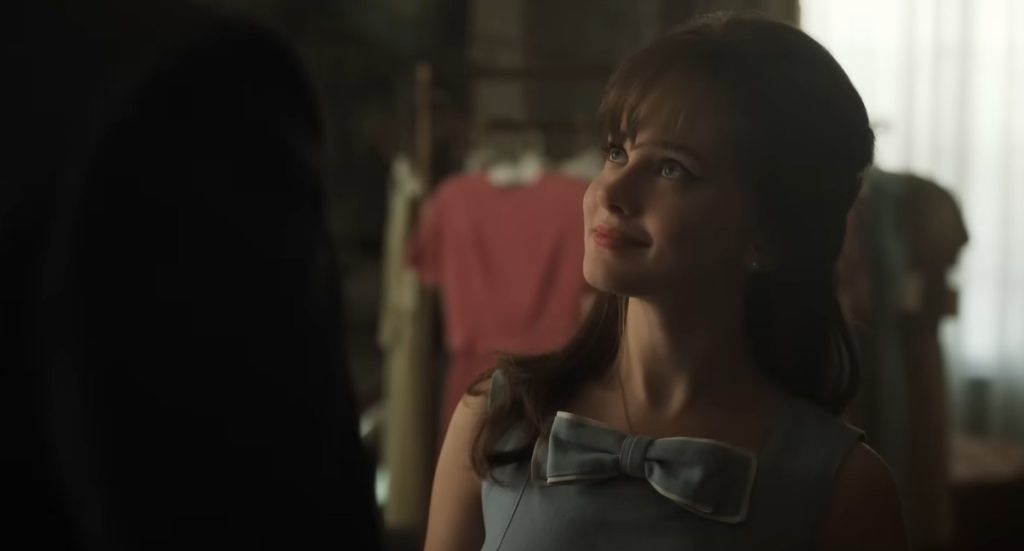
The public’s perspective shifted toward fairytale by 1967, when they were married in Las Vegas. She was poised and graceful. He remained the monarch. The eight-minute wedding was symbolic and brief. The developing imbalance behind the scenes was not concealed by the splendor. A year later, Lisa Marie was born to Priscilla, but their home bliss quickly fell apart. Priscilla discreetly changed who she was, finally leaving the marriage to find her voice outside of Elvis’s shadow, while he toured and found comfort elsewhere.
That departure wasn’t a scandal; rather, it was a sign of independence. Surprisingly, the two continued to get along well until his passing. In interviews, she talks about him in a complex way in addition to lovingly. She recognizes the emotional pull, the appeal, and the effect. Additionally, she felt alone while circling a renowned person.
The most remarkable thing is how her story has changed over time. She described their friendship with admiration in her 1985 biography Elvis and Me. Priscilla, directed by Sofia Coppola, depicts it from the perspective of her younger self decades later. She is conflicted, stuck, and secretly longs for power. The movie takes away Elvis’s magic, but it doesn’t make him a villain. The film is noticeably more subdued than the glitzy biopics of the past.
These days, people are thinking about the ramifications rather than merely talking about the age difference. What does it mean for a young girl to have a romantic relationship with a powerful man? And how did questions that would have otherwise been raised get silenced by public adoration?
Priscilla has continued to be one of Elvis’s most committed legacy builders in spite of those criticisms. Even though the story could have gone either way, she rarely spoke negatively about him, turned Graceland into a successful business, and preserved his reputation for generations. Her adoration stems from her grace and resilience. She has never downplayed the romance or ignored the suffering.
With a 2026 perspective, their relationship now resides at a crossroads of cultures, combining elements of difficult lessons and sentimental memories. It’s still a sequin-heavy love story for some people. Others see it as a reminder of how youth, consent, and visibility may be complicated by celebrity.
