
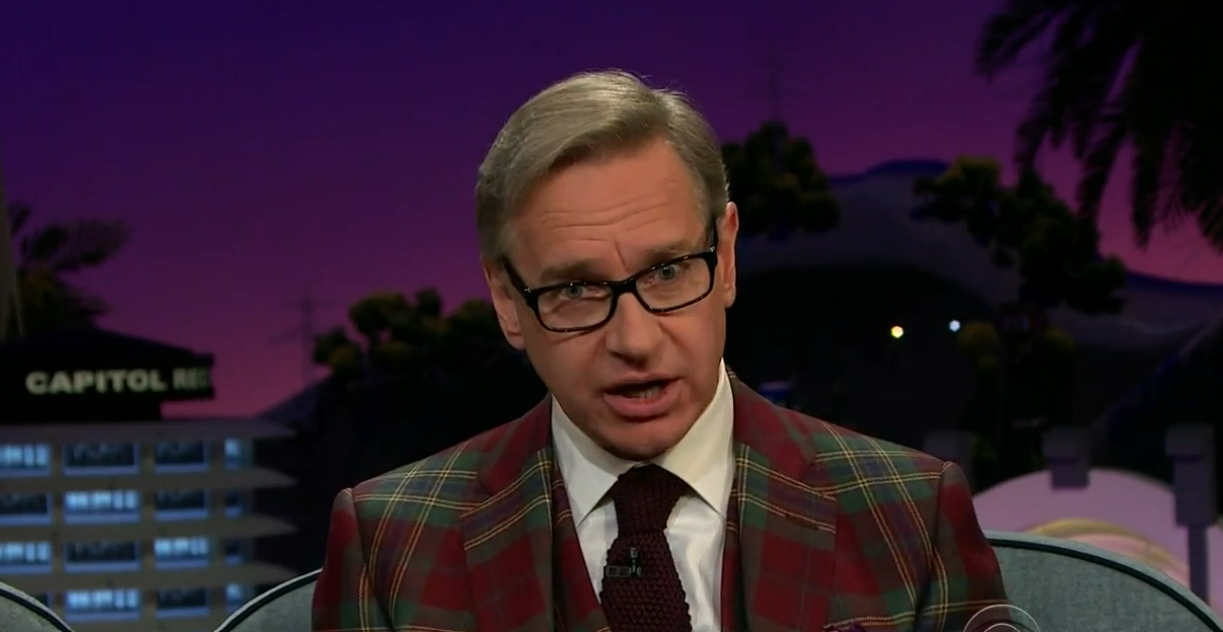

His frantic energy was evident when he entered the classroom with his sleeves half-rolled. Even in a show centered around witches, portals, and a talking cat, Sabrina the Teenage Witch’s science instructor, Mr. Eugene Pool, appeared out of place. But that’s precisely what set him apart. Paul Feig’s portrayal of the character was strangely captivating, not only because he was eccentric but also because he was based on a charming discomfort that seemed very genuine.
Feig’s portrayal in those early episodes never attempted to match the mayhem of magical youthful shenanigans. Rather, he created a serene area of awkwardness. Whether through harsh encouragements or excruciatingly enthusiastic biology courses, Mr. Pool’s attempts at engagement didn’t always succeed, but they persisted. He was more than comic relief. He was an example of self-control, a teacher who tried a bit too hard to win people over and ended up becoming someone you couldn’t help but cheer for.
There was only one season in the role. Mr. Pool disappeared silently from the school hallways without much explanation after the show’s original classroom-based concept gave way to more home and magic-focused tales. At the time, the disappearance seemed sudden, but now it seems almost poetic. Feig was also silently getting ready for something else.
A few years later, he would produce the short-lived television series Freaks and Geeks, which served as a model for character-rich, emotionally impactful narratives. The professors in Freaks and Geeks and Mr. Pool have a definite similarity in their quiet complexity—uncertain authoritative figures torn between duty and self-awareness.
| Name | Paul Feig |
|---|---|
| Role in Show | Mr. Eugene Pool (Sabrina’s science teacher) |
| Show | Sabrina the Teenage Witch – Season 1 (1996–1997) |
| Occupation | Actor, Director, Producer, Screenwriter |
| Known For | Bridesmaids, Freaks and Geeks, Spy, The Heat, Ghostbusters (2016) |
| Notable Fact | Frequently collaborates with Melissa McCarthy |
| External Link | Paul Feig on IMDb |
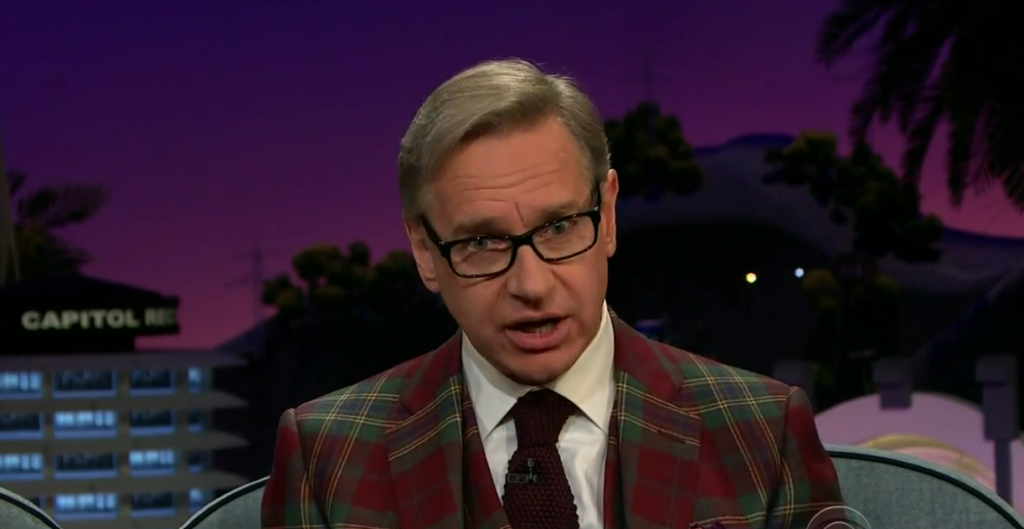
Years later, Feig mockingly called Mr. Pool “a guy just one bad student review away from a breakdown” during a panel discussion. I remembered the sentence because it was remarkably accurate to the character’s on-screen emotions, not because it was humorous.
Mr. Pool hurriedly distributed frog dissection kits during a discourse about cellular structures in one scene that I can still clearly recall. It wasn’t really thrilling. However, Feig’s anxious charisma was what really made it stick. His facial expression wavered between concentration and mild anxiety, his voice cracked a little, and his movements wavered between frightened and deliberate. This small-scale performance provided a refreshingly human pulse for a concert full of fantastical hyperbole.
It’s particularly noteworthy that Feig, who went on to become well-known for helming big, daring comedies like Spy and Bridesmaids, got his start as a character who was so hesitant. His range is highlighted by that contrast. Even while his directing is frequently boisterous and exuberant, it nevertheless allows for tenderness. At least one character is constantly stumbling over their words, battling shyness, or secretly doubting themselves, and they do it with care.
Mr. Pool wasn’t a favorite character for younger viewers like me at the time, but he was somehow reassuring. He made no effort to project authority or coolness. He was imperfect, frequently agitated, but never cruel. In retrospect, I think that was really helpful. As a child, it was oddly comforting to see him demonstrate that grownups also had gaps in their knowledge.
Throughout his career, Feig has embraced that sensibility. Superheroes are uncommon among his characters. They are regular folks attempting to maintain their composure, frequently in absurd situations. They all have a hint of Mr. Pool’s vulnerability, flaws and all, whether it’s Melissa McCarthy chasing spies across foreign cities or Kristen Wiig’s character breaking down at a bridal shower.
Feig created a cadence that would eventually become a defining characteristic of his directing by giving Mr. Pool such a distinct energy, one that fluctuated between eager participation and social dread. That kind of multi-layered discomfort was especially novel for a supporting character in a teen sitcom from the mid-1990s.
He never overplayed it, though. Falling off lab stools or mugging the camera weren’t the sources of the humor. It originated from the little things, like his hesitancy before speaking, his excessively long pauses, and the way he occasionally appeared to be questioning if the words he was saying made sense.
Feig’s storytelling signature—letting people be human first, humorous second—was originally shaped through Mr. Pool. Character development in sitcoms and popular comedies has significantly enhanced as a result of that strategy. It moved the emphasis from gag-heavy punchlines to more profound and fulfilling humor, the kind that wins your affection via empathy rather than merely laughter.
Looking back at those early Sabrina episodes today is especially satisfying. What may normally be a forgettable comedy role gains depth from knowing what happened next in Feig’s career. It’s similar to listening to a songwriter’s early demos; even though the style isn’t quite developed yet, you can still identify the voice.
Mr. Pool was never merely a supporting character for Paul Feig. It served as a warm-up, a sketch of the kind of humanity he would develop on larger screens over the course of decades. Additionally, despite his limited tenure on Sabrina the Teenage Witch, it was incredibly successful in demonstrating what could be accomplished with a great deal of deliberate depth and only a few minutes of screen time.
