
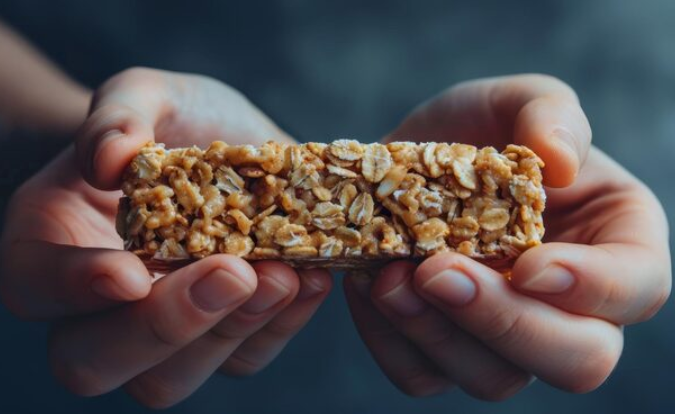

Protein bars frequently offer a sort of silent atonement on the shelves of high-end supermarkets and gym cafés. When you eat one, you’re told you’re doing something good, like maintaining discipline, avoiding sugar, and fuelling your muscles. The industry for protein bars has become a multibillion-dollar enterprise thanks in part to that story. It also explains why the David Protein bar lawsuit is receiving more attention than the typical product labeling controversy. The complaint, which was brought before a federal court in New York earlier this year, is based on the straightforward allegation that the label’s figures could not be entirely accurate.
Three customers have complained that David Protein bars are far higher in fat and calories than the package claims. According to independent tests referenced in the lawsuit, the number of calories may be up to 83% higher than what is reported. Plaintiffs contend that the fat content might be up to four times greater than what is stated on the label. The difference would not be insignificant if those numbers hold up in court.
| Information | Details |
|---|---|
| Product Brand | David Protein |
| Parent Company | Linus Technologies |
| Founder | Peter Rahal |
| Product Launch | 2024 |
| Key Claims on Packaging | 150 calories, 28g protein, 0g sugar |
| Lawsuit Filed | January 23, 2026 |
| Court | U.S. District Court for the Southern District of New York |
| Reference Website |
David bars claim to have zero grams of sugar, 28 grams of protein, and 150 calories. The brand’s identity now revolves around those figures. Influencers in fitness commend them. People who work out put them in their backpacks. As a quick snack that promises high protein without the guilt typically associated with sweets, some consumers even use them almost like nutritional shortcuts. However, lawsuits seldom have neat storylines.
The plaintiffs claim that when they made the decision to buy the bars, they looked to the nutrition label. The U.S. Food and Drug Administration’s recommendations play a major role in their legal case. If a product’s real nutrient content is more than 20% higher than its advertised level, it may be deemed misbranded under those regulations.
The company behind the product is Linus Technologies, a firm with a focus on nutrition that was started in 2023 by businessman Peter Rahal. In 2024, the firm launched the David bar, naming it after Michelangelo’s well-known masterpiece. This was an unconventional branding decision for a protein snack, but it made the product stand out in a competitive market.
The bars are available in dessert-like tastes including fudge brownie and chocolate chip cookie. They are in the luxury category of protein snacks, costing about $39 for a pack of twelve. Stated differently, the product did not aim to rival generic energy bars. It was attempting to be more ambitious.
Rahal has refuted the allegations, although Linus Technologies has not made all of the lawsuit’s details public. He stated in an interview earlier this year that the business will actively defend the case and maintains the veracity of its labeling.
At times, the brand’s tone has been startlingly informal. The corporation responded to the criticism on social media by writing, “No one is getting Regina Georged,” alluding to the movie Mean Girls. A character in that film surreptitiously gives a competitor protein bars that are meant to make them acquire weight. Depending on who was listening, the joke had a varied effect.
It was funny to some customers. Others thought it was strangely contemptuous considering how serious the accusations were. As the disagreement develops, it seems as though it involves more than just one snack brand. Trust is essential to the current health-food market. Customers believe that claims about ingredients, protein content, and calorie counts are true.
The entire marketing language of fitness meals begins to falter in the absence of that trust. A particularly intriguing segment of the market is occupied by protein bars. They are marketed as lifestyle items in addition to snacks. You’ll find them piled up close to the front desk in practically every American gym, sandwiched between branded T-shirts and sports beverages. They have unique symbolic weight because of their closeness to the fitness culture.
People purchase them because they think they support self-discipline, which is the silent practice of logging exercises, measuring calories, and counting macros. This could help to explain why labeling disputes can occasionally elicit such intense responses.
The United States already has a convoluted food control system. Although manufacturers are in charge of making sure their nutrition labels are accurate, enforcement frequently depends on testing, complaints, and occasionally lawsuits like this one.
Discrepancies can occasionally be found to be small computation errors. In other cases, they highlight more serious issues with production or testing procedures. Which category the David Protein case will ultimately fall into is yet unknown.
The plaintiffs highlighted independent testing that used the Atwater factors, a well-established scientific model for estimating calorie content based on macronutrients. The business can give its own analysis or contest that strategy. Courts often spend months analyzing this type of technical argument. The bars themselves are still on store shelves in the meanwhile.
Consumers continue to open them in offices and locker rooms, munching on thick chunks of chocolate-flavored protein as they browse through fitness regimens on their phones. The majority most likely haven’t read the court documents. It’s possible that some people heard about the controversy and dismissed it.
Nevertheless, it’s difficult to ignore how much the snack sector today mimics the world of digital startups. Promising efficiency and optimization—more protein, fewer calories, higher performance—new products emerge swiftly. And sometimes, rather than in a lab, those promises are put to the test in a courtroom.
