
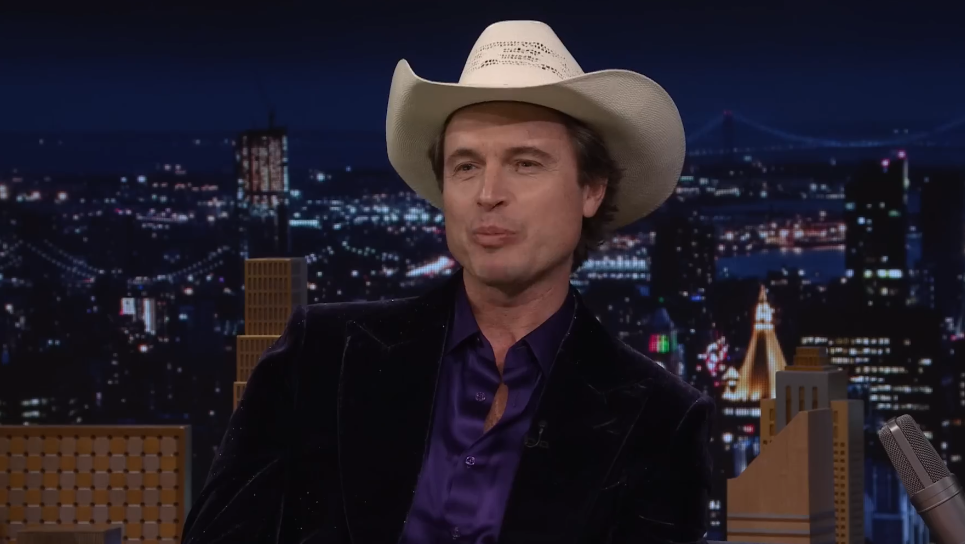

The ambiance of one of Kimbal Musk’s restaurants in Boulder, Colorado, is almost purposefully laid back. tables made of wood. Large windows let in plenty of sunlight. Sometimes the vegetables on the plates were harvested only hours before. It is not like the high-stakes world that the Musk surname is typically associated with.
An estimated $500 million is Kimbal Musk’s net worth, which he amassed through a combination of strategic investments, technology startups, and an uncommon enthusiasm for food systems. He has spent years living in the shadow of his older brother, Elon Musk, whose wealth frequently makes headlines. However, observing Kimbal’s career develops reveals something a little different: a more subdued form of entrepreneurship with roots more in urban farms and restaurants than rockets.
| Category | Details |
|---|---|
| Full Name | Kimbal James Musk |
| Date of Birth | September 20, 1972 |
| Birthplace | Pretoria, South Africa |
| Profession | Entrepreneur, Restaurateur, Investor |
| Known For | Co-founding Zip2, Tesla board member, restaurant ventures |
| Major Businesses | The Kitchen Restaurant Group, Square Roots |
| Nonprofit Work | Big Green (Learning Gardens program) |
| Estimated Net Worth | Around $500 million |
| Notable Investments | Tesla shares and early tech startups |
| Reference | https://www.celebritynetworth.com |
Kimbal was born in Pretoria, South Africa, in 1972, which is where the story starts. The Musk family was renowned for being fiercely competitive and encouraging curiosity. While their mother Maye, a model and dietitian, brought a completely different perspective to the household, their father, an engineer and pilot, encouraged the kids to pursue technical interests.
He eventually moved to Canada to study business at Queen’s University in Kingston, Ontario, with Elon after leaving South Africa. The brothers were already experimenting with ideas during their time as students—small businesses, strange projects, the kind of restless creativity that often characterizes entrepreneurial families. Next was Zip2.
The internet was still somewhat of a frontier in the middle of the 1990s. Newspapers were frantically trying to understand the implications of the web for their future. For magazines like The New York Times and Chicago Tribune, Zip2 provided online city guides. The Musk brothers unexpectedly became wealthy when Compaq paid $307 million to acquire the business in 1999.
According to reports, Kimbal took home about $15 million. That might have been sufficient for many business owners. a cozy existence. early retirement. However, it becomes evident from what transpired next that Kimbal had different goals.
Many in the tech community were perplexed by his decision to move to New York City and enroll at the French Culinary Institute. At the time, Silicon Valley was investing in software rather than dining establishments. It felt almost rebellious to enroll in culinary school.
In Boulder, Colorado, he established The Kitchen, a restaurant with a focus on the community, in 2004. The area wasn’t intended to be ostentatious. Rather, it focused on seasonal menus, local ingredients, and a farm-to-table philosophy that would eventually become popular nationwide.
Walking through the dining room today, the atmosphere still feels deliberately human. servers conversing with frequent patrons. Produce is occasionally dropped off by farmers at the rear entrance. It’s difficult to ignore how different that setting is from the sleek glass offices typically associated with wealth in technology.
After making early investments in a number of startups, Kimbal joined the board of Tesla, his brother’s electric vehicle company. One of the main factors contributing to his wealth has been his Tesla stock. Depending on the company’s erratic stock price, those holdings alone have occasionally been valued at hundreds of millions of dollars.
Kimbal sold tens of millions of dollars’ worth of Tesla stock in 2021 and again in subsequent years. Regulators even looked into whether the timing of those sales suggested insider knowledge at one point. Although no conclusive information was made public, the episodes demonstrated how closely the Musk family’s financial decisions are monitored.
While his startup Square Roots started experimenting with urban farming—growing vegetables inside climate-controlled shipping containers—his Kitchen Restaurant Group opened locations in a number of American cities. At first, the concept seemed out of the ordinary. However, the idea gained traction as cities started to worry about sustainability and food supply chains.
Additionally, he founded Big Green, a nonprofit organization dedicated to constructing school gardens across the country. Nowadays, children learn how vegetables grow in outdoor classrooms at hundreds of schools. He feels that the project is important to him personally as he watches students dig their hands into soil for the first time.
And that’s perhaps the most interesting part of Kimbal Musk’s financial story. Despite having a net worth of about $500 million, which puts him in the category of extremely wealthy entrepreneurs, his career path deviates from the norm. Instead of software platforms, there are restaurants. Gardens rather than data centers.
Of course, there is still a lot of power associated with the Musk name. The extent to which Kimbal’s future wealth will be influenced by the performance of Tesla’s stock or by new technological endeavors associated with the family network is still unknown. However, as his projects progress over time, it seems like he’s pursuing something a little different.
