
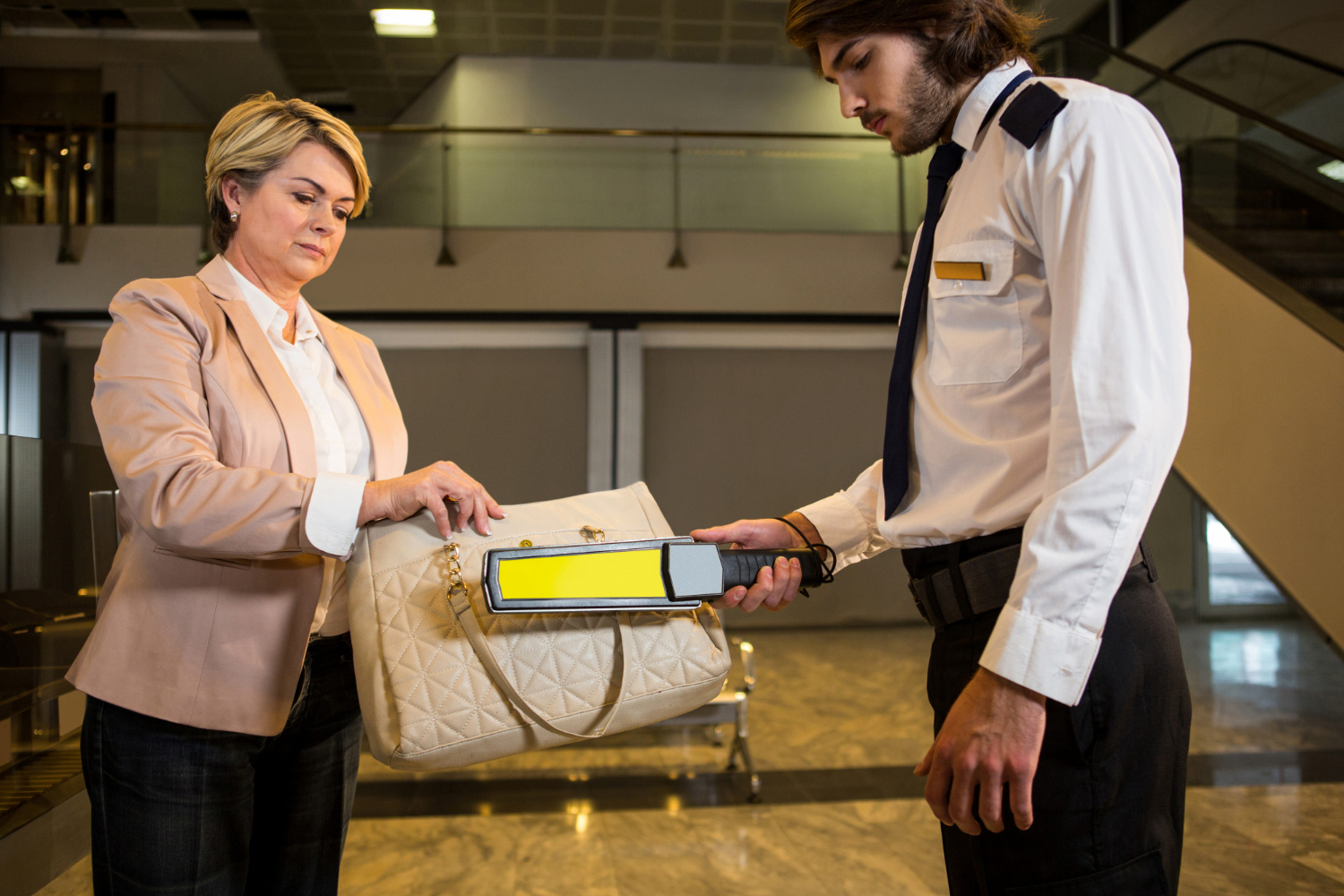

By replacing the recognizable rhythm of passport stamps with systems that discreetly confirm identity through data, biometrics, and digital history—often before a traveler even boards a plane—a new era of border controls is emerging with remarkably similar features across continents.
For many years, borders served as short stops before traffic resumed, much like toll booths. These days, they function similarly to distributed networks, using layered checks to scan, match, and verify identity long after the actual crossing is finished.
| Item | Details |
|---|---|
| Topic | International border controls |
| Core Change | Biometric and digital identity screening |
| Key Regions | European Union, United States |
| Main Systems | EU Entry/Exit System, ETIAS, ESTA |
| Primary Tools | Facial scans, fingerprints, data matching |
| Affected Travelers | Non-citizens and visa-waiver travelers |
| Rollout Period | Late 2025 through 2026 |
| Policy Authorities | EU Commission, U.S. DHS |
| Travel Impact | Longer checks, deeper verification |
| Reference Website | https://www.etias.com |
The Entry/Exit System, which replaced ink stamps with biometric records that record arrivals and departures with remarkably clear precision, represents a particularly innovative change in Europe. Facial photos and fingerprints now create a permanent travel profile for non-EU visitors.
Queues may get longer as new registrations slow the flow during the rollout phase, which runs from late 2025 to early 2026. This is referred to by officials as “temporary friction,” which is a prerequisite for systems to significantly improve through scale and repetition.
Eventually, frequent travelers will gain from this. Crossings become much quicker after enrollment, with automated checks verifying identity in seconds as opposed to minutes, decreasing disagreements over overstays, and getting rid of faded or missing stamps.
The United States is following a similar course across the Atlantic, relying largely on facial recognition and increased data collection. Travelers are increasingly required to begin their entry process online, providing not only their biographical information but also their years’ worth of digital footprints.
This change feels particularly significant to travelers who are exempt from the need for a visa. Routine pre-travel screening is increasingly including social media handles, past contact details, and device-linked data, indicating a shift away from snapshot identity and toward behavioral context.
Airports are changing quickly. Self-service kiosks hum continuously, cameras scan faces, and algorithms operate in the background like a beehive, each part carrying out a minor function that adds to a more extensive verification process.
What formerly depended on the judgment of a single officer now depends on coordinated systems operating concurrently; this shift is unquestionably difficult during early adoption but remarkably effective once in operation.
The shift has been observed by public figures. The idea that status no longer expedites clearance is becoming more commonplace as touring musicians, actors attending premieres, and athletes traveling for competitions talk about longer border encounters.
These pressures are increased by significant events. Border agencies scale biometric infrastructure instead of staffing when international competitions or cultural festivals attract tens of thousands of visitors. This is a highly effective strategy that prioritizes automation over human labor.
Concerns about privacy keep coming up, especially as travelers become more aware of how much of their digital lives are now with them. Governments present the change as safe rather than invasive by emphasizing oversight, retention restrictions, and safeguards.
Preparation has become especially helpful for travelers. A new kind of preparedness that combines digital hygiene and trip planning calls for phones to be charged, confirmations to be available, accounts to be arranged, and documents to be readily available.
More and more travel advisors are drawing comparisons between this period and the early days of increased airport security. Predictability eventually replaced the initial frustration, and systems that had previously caused delays became surprisingly dependable as a result of familiarity.
These days, patience is a travel skill. Early interactions might seem slow, but as biometric profiles cut down on repeat checks, returning visitors frequently report noticeably better experiences.
The repercussions on society are evident. As authorization windows close, business travel schedules change, tourist flows move toward locations with easier entry procedures, and impromptu travel becomes less common.
Younger travelers are more adept at navigating digital forms and apps. Airlines and governments are expanding assistance and providing more clear guidance at departure points because older travelers may initially struggle.
Additionally, borders are becoming predictive. Authorities evaluate risk before arrival, allowing many travelers to pass with little interaction once cleared—a system intended to reward preparation.
Consistent criteria are used in place of subjective judgment in this tiered approach. Crossings become less frightening and more transparent for travelers who are aware of the procedure.
Now, preparation starts weeks in advance. Particularly during busy times, it is necessary to verify authorizations, check entry systems, and account for biometric enrollment time in itineraries.
Airlines are becoming more involved by transferring accountability upstream, verifying digital approvals prior to boarding, and averting issues at arrival gates.
Recalibrating movement and bringing international travel into line with systems designed for scale, accuracy, and accountability are the goals of a new era of border controls rather than shutting doors.
The experience will probably become less dramatic as these systems develop. The most disruptive times are always during transitions, which call for patience, awareness, and flexibility.
Although travel is still active and connected, it now relies just as much on data as it does on paper records. Early adopters move with assurance, but others discover—sometimes suddenly—that preparation is now inextricably linked to the journey.
In this setting, knowledge of how identity, technology, and policy now intersect each time a border is visible is a more reliable travel companion than a passport filled with stamps.
