
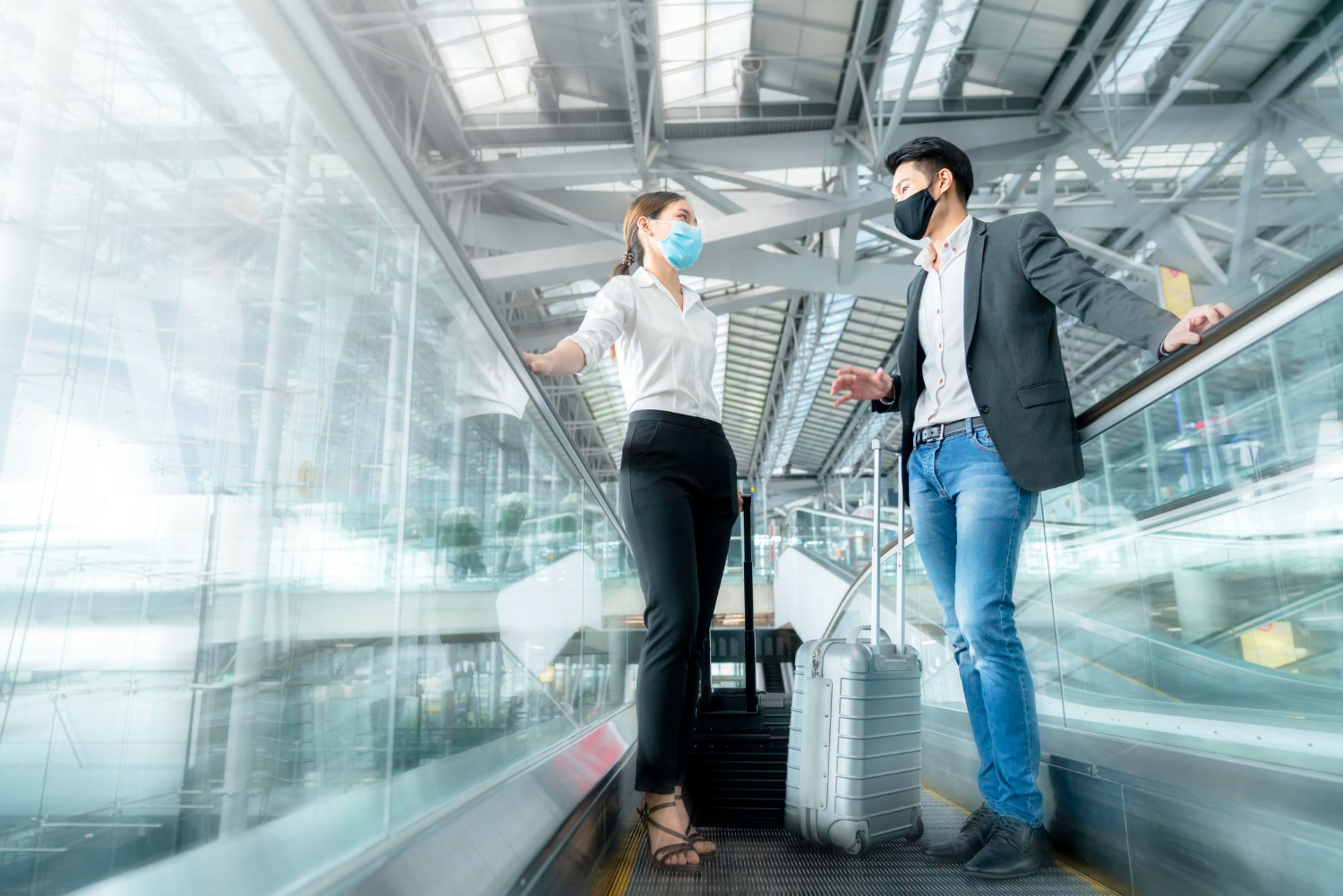

Airports are busier than ever from Miami to Munich, reflecting a remarkably similar surge in travel enthusiasm across continents, driven by people’s desire for movement, families getting back together, and businesses realizing the importance of in-person meetings. Although the atmosphere is invigorating, the sheer volume of passengers has drastically decreased comfort in terminals that were originally intended for slower days.
More airlines have switched to larger aircraft in recent months, especially during rush hours, which causes unexpected waves of travelers to congregate at gates like a swarm of bees diverted by a sudden gust of wind. A simple airport experience, like ordering coffee, finding a restroom, or asking a gate agent a question, becomes surprisingly complex due to the close clustering.
| Category | Detail |
|---|---|
| Passenger Volume | Surpassing pre‑pandemic levels, especially during holiday peaks |
| Main Challenges | Crowded terminals, long queues, space constraints, operational strain |
| Tech Solutions | Biometrics, CT scanners, AI‑based flow optimization |
| Infrastructure Changes | Wider concourses, larger gates, more self‑service systems |
| Traveler Trends | Affluent leisure travelers seeking premium, seamless experiences |
| Temporary Interventions | Flight caps, staffing adjustments, better disruption management |
| Future Direction | Expansion, digitization, smarter security, enhanced passenger flow |
Rapid technological advancements during the pandemic included digital boarding passes, touchless check-ins, and biometrics that do away with the need to repeatedly present passports. Now that airports are trying to keep lines moving and morale high, these tools seem especially helpful. However, because of uneven deployment, some passengers are stuck taking laptops out of their bags like it’s 2012, while others in one terminal easily pass through facial recognition gates.
More time than ever before is spent by travelers inside terminals. Delays, longer layovers, and tighter connections have caused this change, which noticeably raises demand for cozy seating and tranquil areas. Once reserved for quiet business travelers, lounges are now crowded with families using every available space.
Last year, I was subtly amused by the contrast between the gleaming new architecture and the plain chaos of too many people trying to find seats in Abu Dhabi. It was like a glimpse of the future that came a bit too quickly.
Airports are reacting, and a lot of the tactics seem very obvious. In cities like Atlanta and Dubai, larger concourses are starting to appear, providing more space. Smart queue systems reduce needless waiting by alerting passengers when lines shorten. Routines that used to slow entire groups are now accelerating due to automated bag drops. Despite being small, these adjustments are significantly enhancing the experience for millions of people.
Airports that invest are seeing a significant increase in security checkpoint speed by implementing CT scanners that allow travelers to store electronics and liquids inside their luggage. It’s an incredibly successful change that lessens bottlenecks and anxiety.
The emergence of wealthy leisure travelers, who value choice, serene settings, and digital control over every move, is a particularly significant change. Airports naturally want to please them since they spend more on dining, duty-free shopping, and upgrades. Significant increases in airport revenue can result from a single enhanced experience, which will motivate further investment.
In certain congested hubs, flight reductions are still a temporary solution meant to relieve pressure. Even though these restrictions restrict options in the short run, they aid in stabilizing operations and open the door for later, more seamless travel.
Experts contend that airports are evolving from mere transit hubs to highly effective service ecosystems. Artificial intelligence (AI) tools are monitoring traffic patterns, anticipating disruptions before they happen, and directing staff deployment where it is most beneficial. While human teams concentrate more on care, communication, and complex issues, automated systems eliminate repetitive manual tasks—a particularly creative redistribution of energy.
Additionally, passenger behavior is changing. Portable chargers are now carried by families. Business travelers frequently check flight apps. Razor-thin layovers are avoided. These useful adjustments, which have been influenced by recent travel difficulties, show greater resilience.
Airports are adjusting more quickly than anyone anticipated amid this renewed vigor. They are actively redesigning layouts, installing smarter infrastructure, rethinking what a terminal should feel like, and learning from delays. This improvement can already be seen in many major hubs, including calmer seating areas, more obvious signage, easier-to-use pathways, and attentive rather than hurried customer service.
This momentum will be crucial in the upcoming years as demand increases and new aviation models appear. Airports will continue to prosper if they adopt updated screening, efficient passenger flow, and innovative space utilization. From the moment you arrive at check-in to the moment you roll out your suitcase at baggage claim, the entire experience is gradually being redesigned to emphasize comfort, clarity, and individual preference.
Even though passengers may feel constrained today, the developments beneath the surface are incredibly positive. These improvements are highly adaptable, enabling airports to grow while managing emotional strain. The travel experience could feel more seamless and satisfying when the next summer rush or holiday peak arrives, reflecting the collective ingenuity currently taking flight inside terminals everywhere.
