
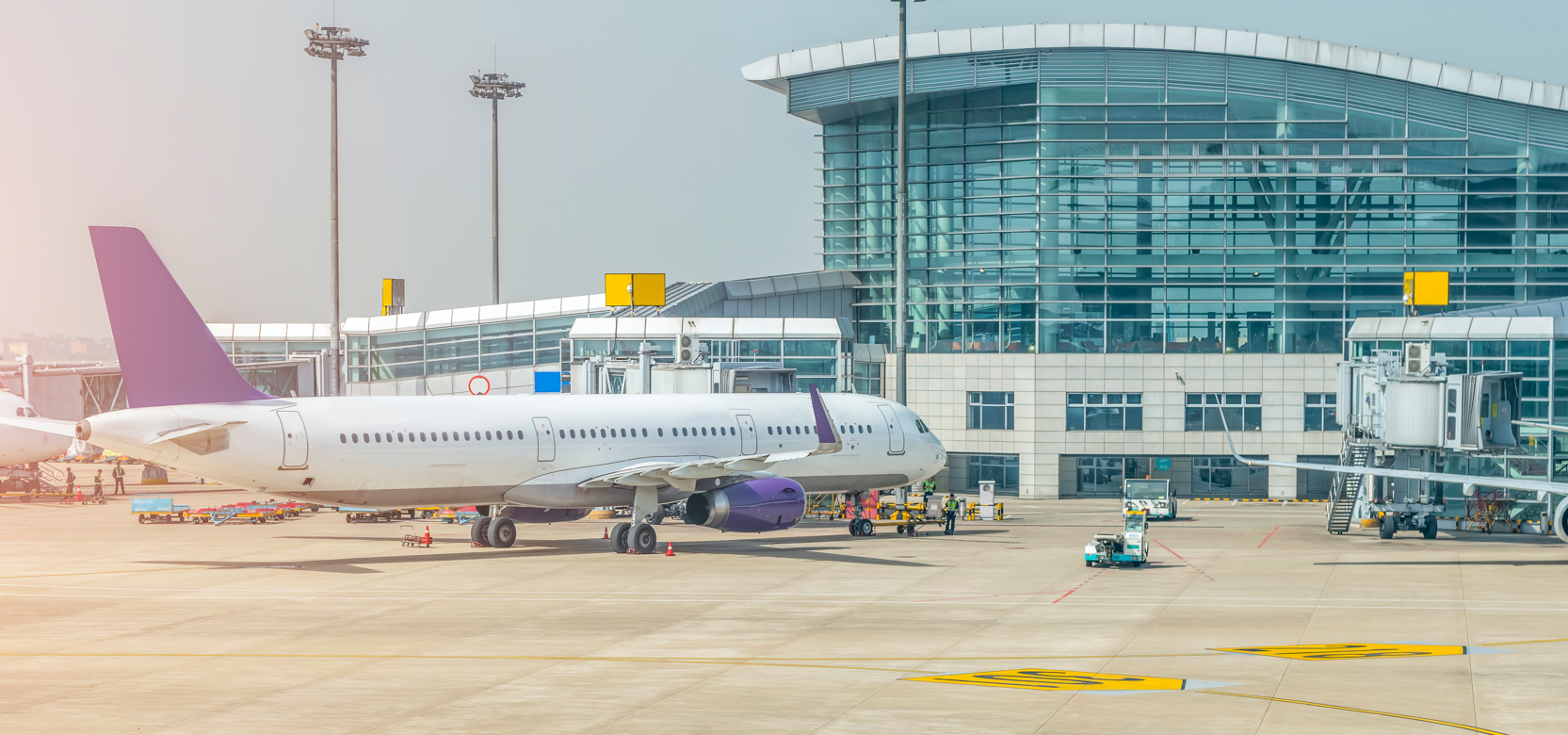

Flights are packed on a clear December morning at JFK. Airports are bustling, airlines are making record profits, and travel demand has rebounded more strongly than most analysts had predicted. However, beneath all of this vigor lies a startling quietness—one of planning, strategic restraint, and silent recalibration. Because aviation executives are aware that economic tailwinds are temporary, even though the skies are currently bustling.
Carriers have started developing solutions in the last year alone that are intended to both ride the boom and lessen the impact of the next unavoidable bust. Compared to the reckless expansion days prior to 2008 or the post-COVID rush for cash, there is a noticeable change in tone. Airlines are increasingly preparing with a longer-term perspective in mind.
Up front is one of the most noticeable alterations. Both local and international fleets are increasing the number of premium cabins, and for good cause. The profit margins per square foot for business and first-class seating are significantly higher than those for economy. Premium demand typically remains stable, or at least recovers more quickly, even in recessions. These seats are becoming even more alluring to a customer base that values loyalty thanks to investments made by American, Delta, and British Airways in both service and physical changes.
Because premium revenue can serve as a stabilizer, this method is especially advantageous in an unstable economy. A full business class pays for the journey before any economy seats are occupied on many carriers.
| Key Strategy Area | Details |
|---|---|
| Premium Cabin Expansion | Airlines are doubling down on high-margin business and first-class products to reduce vulnerability to demand shocks |
| Fleet Efficiency | New aircraft orders focus on fuel efficiency, but delivery delays are forcing airlines to rethink fleet planning |
| Agile Scheduling | Carriers are using AI to adjust routes and capacity dynamically based on real-time demand |
| Loyalty Programs | Enhanced focus on subscription models and credit card partnerships to ensure steady revenue streams |
| Diversification | Some airlines are expanding into cargo, charter services, and regional routes for added stability |
| Capital Deleveraging | Airlines are reducing debt levels post-pandemic to prepare for potential financial tightening |
| Cost Discipline | Leaner operations and digital automation are streamlining expenses and increasing adaptability |
However, there are other areas being improved besides sitting. In order to manage fleet deployment in almost real time, airlines are increasingly depending on extremely effective AI-driven technologies. Once optional, these tools are now essential infrastructure that enables operations teams to respond quickly to changes in demand. The capacity to move fast is a newfound competitive advantage, whether it’s rerouting crews due to an unexpected economic catastrophe or moving a widebody plane from transatlantic duty to a high-yield domestic route.
This flexibility is essential, particularly since access to newer, more fuel-efficient aircraft has been restricted due to delays in aircraft construction. Due to Boeing’s supply issues, numerous carriers are now using aircraft that they had intended to retire. However, some of those aircraft are being modified and repurposed in order to increase their usable life and the fleet’s adaptability, rather than being grounded.
During a recent visit to an airline hangar in Atlanta, I observed a series of older airplanes being replaced with more modern interiors and technology. “We stopped waiting for what we couldn’t control and started getting smarter with what we already had,” the director of operations told me. I found that to be both realistic and subtly hopeful.
In addition to flight mechanics, airlines are delving deeper into loyalty programs as financial anchors rather than marketing gimmicks. The SkyMiles and AAdvantage programs have developed into incredibly powerful instruments for producing steady, recession-proof revenue. Billions of dollars are being made through partnerships with credit card companies, lodging facilities, and retailers—revenue that is not dependent on actual travel.
Due to this change, loyalty ecosystems are now among the most shockingly scalable and reasonably priced aspects of the airline industry. It serves as a solid buffer for airlines experiencing downturns in demand, and it gives passengers more motivation to stick with a single airline. The loyalty game has effectively evolved into a type of financial assets.
Alternative sources of income have also seen a resurgence in investment. Once considered a secondary function, cargo operations are now a major part of many airlines’ financial strategy. Cargo-dedicated fleets or hybrid operations that transport both people and freight are being prioritized by certain carriers. Often disregarded, regional flights are also becoming more significant since they provide smaller markets with more direct links and protect airlines from fluctuations in demand on international routes.
However, the balance sheet is undergoing what may be the most significant structural change. Airlines are actively repaying debt incurred during the pandemic, despite their previous reputation for riding high on borrowed funds. This initiative is not merely symbolic; it allows airlines flexibility when funding becomes scarce and drastically lowers risk exposure in the event of a future crisis.
Internally, activities are being rethought in the interim. Digitalization is streamlining baggage handling, staff scheduling, aircraft turnaround, and even catering logistics. Cost efficiency has been increased as a result of these upgrades. Predictive maintenance software and biometric gates are examples of automation that is lowering carrier overhead and passenger friction. It combines machine-guided accuracy with human-centered service.
A few of these changes started out as crisis adjustments. Others have come about as a result of difficult lessons discovered during several business cycles. When combined, they provide a multi-layered approach that aims to increase loyalty at every touchpoint, automate where feasible, and diversify where feasible. These days, airlines function more as long-term infrastructure suppliers than as short-term survivalists.
Of fact, economic disruptions can affect any plan. Consumer demand instability, labor disputes, fuel price fluctuations, and geopolitical unpredictability continue to be major concerns. However, modern airline tactics are made to bend rather than snap under duress. The focus is on being prepared to move swiftly, maintain liquidity, and carry on serving passengers during turbulence rather than forecasting the precise form of the next downturn.
The way resilience is being viewed as a growth strategy rather than a defensive one is what makes this time so creative. Airlines aren’t only cutting expenses or holding onto earnings. They are making investments in structural tools that will enable them to weather uncertainty and emerge stronger.
