
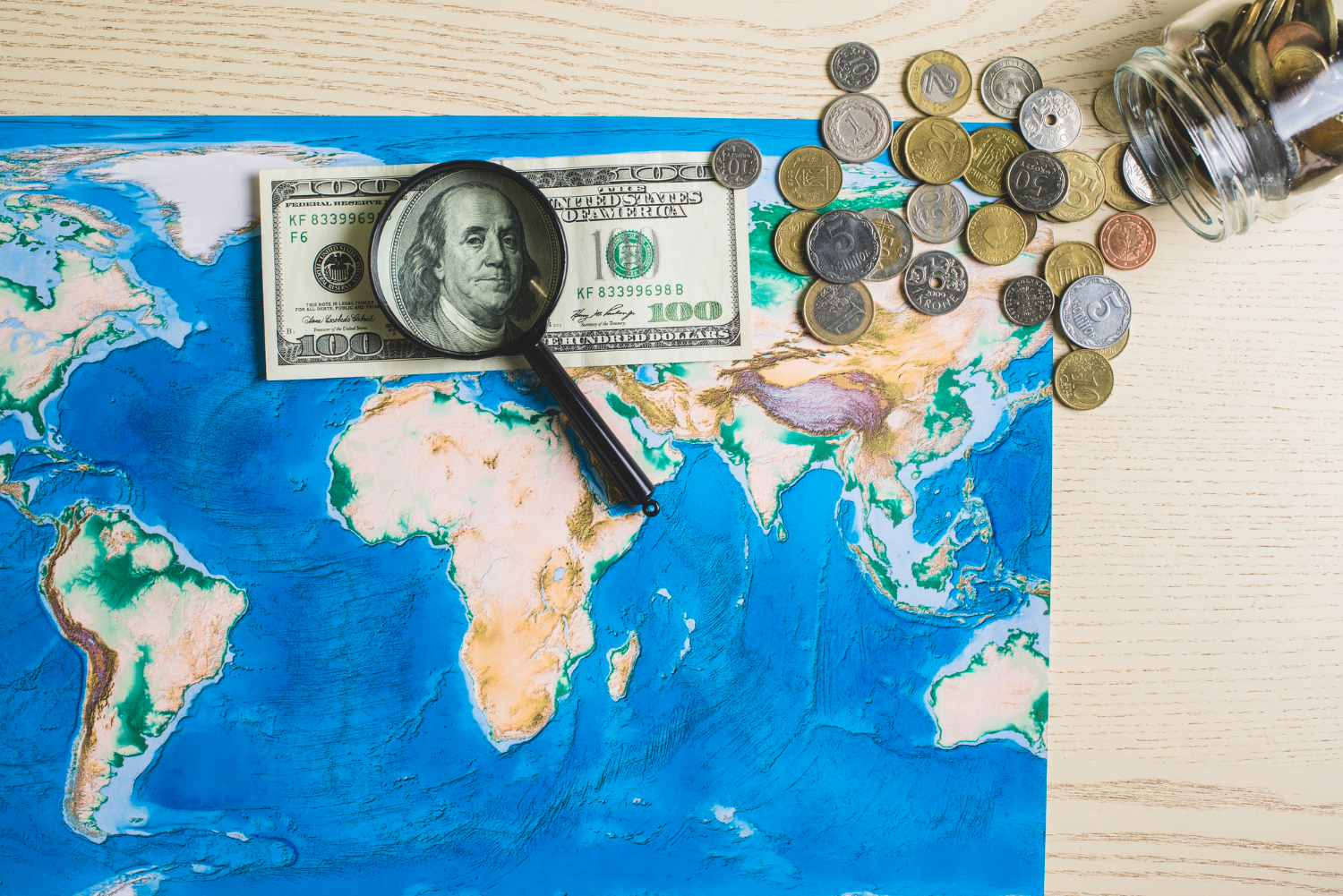

The demand for travel has not decreased; rather, it has grown more discerning, vigilant, and noticeably more astute. What many refer to as a slowdown is actually a price-driven reorganization as tourists covertly shift their spending to less ostentatious but more equitable locations.
Booking data has shown a remarkably similar pattern across continents in recent days. When prices seem out of touch with reality, travelers are still eager to move, but they pause longer, compare more, and leave more quickly.
| Aspect | Details |
|---|---|
| Industry Focus | Travel and tourism |
| Time Period | 2025–2027 |
| Core Pressure | Inflation and currency shifts |
| Traveler Behavior | Value-driven, experience-first |
| Gaining Regions | Asia, Middle East, emerging markets |
| Strained Regions | United States, high-cost Europe |
| Industry Response | Discounts, experience bundling |
| Cultural Shift | Experiences over goods |
| Social Impact | Broader tourism redistribution |
These days, currency movements serve as silent billboards. A strong dollar, which is especially advantageous for Americans who travel overseas, has made the United States seem more and more unaffordable to foreign tourists, transforming everyday costs into psychological obstacles.
In the meantime, demand has significantly increased for locations with favorable exchange rates. Long admired but once thought to be expensive, South Korea and Japan are now seen as giving, encouraging tourists to spend freely rather than defensively.
At every level, inflation has changed expectations. Travelers no longer believe that better experiences come at a higher cost. Rather, they challenge the value of those prices, forcing travel destinations to use substance rather than reputation to support each premium.
Southern Europe is a good example of this tension. Particularly among younger tourists used to clear comparisons, rising lodging costs, higher tourist taxes, and overburdened infrastructure have drastically decreased tolerance for price increases.
This change has been incredibly successful in altering flows. In ways that policymakers did not expect, tourists who previously gravitated toward well-known cities are now trying out alternatives that provide cultural depth without causing financial hardship.
This sensitivity is exacerbated by geopolitical uncertainty. Stability becomes synonymous with affordability when confidence declines. Destinations that are predictable, well-run, and reasonably priced attract tourists, who value peaceful governance just as much as breathtaking scenery.
Hotels and flights are not the only aspects of the tourism industry experiencing a price war. It encompasses dining, transportation, attractions, and even visas, resulting in a multi-layered competition for each traveler’s discretionary dollar.
In response, tour operators are making adjustments ahead of schedule. Discounts for 2026 vacations are starting to show up months in advance, which is indicative of a market that is eager to make commitments before tourists decide to change their minds once more rather than being cautious.
Under this pressure, luxury travel has changed rather than crumbled. High-end tourists are shifting their spending toward more intimate and time-consuming experiences, preferring wellness journeys, private tours, and culinary immersions over shopping sprees.
This change is in line with more general cultural indicators. Instead of shopping, celebrities are sharing more and more moments focused on food, nature, and restoration, which supports the idea that status now exists in authenticity and accessibility rather than excess.
This observation is supported by Bain’s analysis. Gourmet dining, yachts, and custom hospitality are still very dependable markets, but traditional luxury stores in tourist areas face pressure on their margins and foot traffic.
The effect is more noticeable at the mid-market level. Families and lone travelers act like skilled negotiators, evaluating travel options similarly to how investors evaluate risk, striking an impressively disciplined balance between cost, return, and emotional reward.
This behavior is amplified by digital platforms. In real time, algorithms that function like a swarm of bees gathering innumerable signals present value-oriented options, encouraging travelers to choose places that surpass rather than exceed their expectations.
This recalibration is helping East African safaris, Middle Eastern resort hubs, rural Japan, and secondary Indian cities. They are presented as especially creative options for tourists looking for depth rather than as concessions.
The narrative shift is accelerated by social media. Influencers present value as intelligence rather than restraint, emphasizing affordability without feeling ashamed. For travel destinations prepared to spend money on storytelling, this reframing has proven surprisingly affordable.
Local companies experience both opportunity and stress. Local economies are changing as retailers in established hubs face declining profit margins and their counterparts in developing destinations face rising demand without the same cost pressures.
There are societal repercussions when tourism is redistributed. Opportunities for employment expanded beyond conventional hotspots, relieving congestion and empowering areas that had previously been neglected by international travel schedules.
However, the pressure is not uniform. Smaller businesses must stand out from the competition or risk being undercut, but larger brands can withstand price wars thanks to scale and technology. Purpose clarity is becoming more and more important for survival.
These days, technology is the decisive weapon. Predictive demand modeling, AI-driven bundling, and dynamic pricing enable businesses to react swiftly while maintaining competitive prices without lowering perceived value.
This volatility is felt by travelers. Many prefer flexible policies, postpone reservations, and only stick with a company until a better deal comes along. As transparency increases, brand loyalty declines.
The change is accelerated by younger generations. Travelers from Generation Z and Millennials publicly disapprove of exorbitant prices and favor locations that seem generous to their culture. Family travel choices are also influenced by them.
Travel within the country acts as a stabilizing factor. Internal tourism mitigates international fluctuations in China, India, and parts of Africa, underscoring the significance of regional tourists in long-term planning.
Permanence is what sets this moment apart. The habits developed during this time will persist even if inflation declines. Travelers rarely revert to blind loyalty once they have learned to question value.
Destinations now face the challenge of maintaining their credibility rather than trying to draw tourists at all costs. Now, trust is more important than spectacle, and accuracy is more important than scale.
A more subdued reality can be found within the price war that is poised to transform international travel. By no means is travel getting cheaper or more expensive. It is growing more truthful, rewarding places that value cost and curiosity while forcing the others to reconsider their presumptions.
