
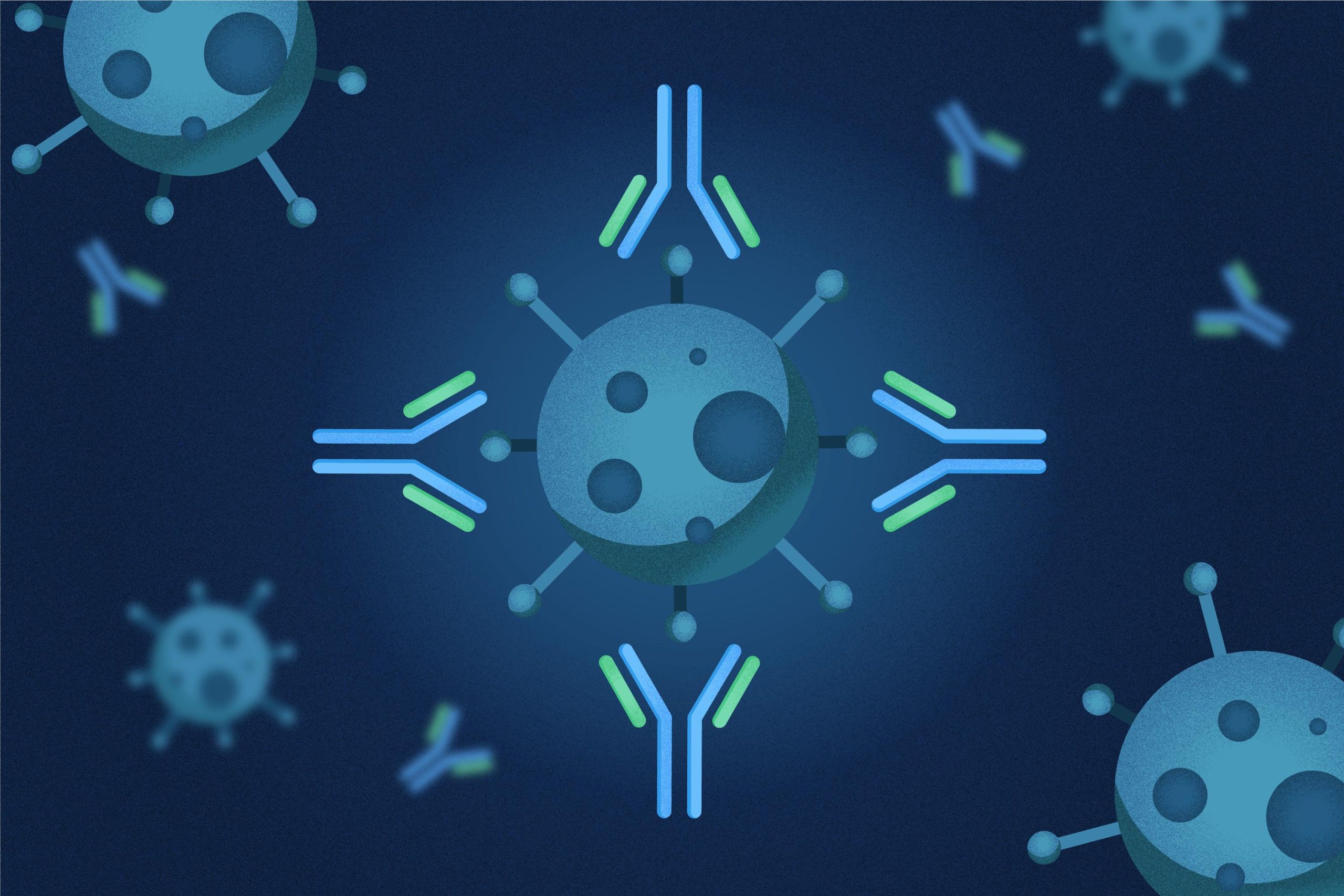

It started with a barely perceptible red, sore patch on the arm, but it was enough to set off something extraordinary. Volunteers at UCL had consented to assist in testing a potential novel approach to the treatment of chronic illness. The team’s goal was not to completely disable the immune system. Rather, they aimed to demonstrate to it how to retreat—slowly, deliberately, and precisely.
Researchers have been studying how our bodies react to threats—such as internal cellular errors, infections, and injuries—for decades. However, what occurs if that response is no longer required? How do cells determine when to stop moving? Up until now, this was the untold part of the immune story.
| Topic | Detail |
|---|---|
| Institution | University College London (UCL) |
| Molecule Identified | 12,13-EpOME (a type of epoxy-oxylipin lipid) |
| Key Protein Target | p38 MAPK – a signal protein linked to chronic inflammation |
| Trial Drug | GSK2256294 (blocks the sEH enzyme that breaks down epoxy-oxylipins) |
| Clinical Method | Human trial using UV-killed E. coli to safely trigger inflammation |
| Health Potential | Targeted control of inflammation without suppressing the immune system |
| Researchers Involved | Dr. Olivia Bracken and Professor Derek Gilroy |
| Application Areas | Autoimmune diseases, arthritis, cardiovascular inflammation |
| Source Link | www.ucl.ac.uk/news/jan/scientists-discover-immune-off-switch |
A mechanism that functions remarkably like a biological brake pedal was discovered by the study, which was published in early 2026. The molecule in question, 12,13-EpOME, functions by inhibiting p38 MAPK, a protein signal that promotes the proliferation of immune cells known as intermediate monocytes. These cells, which are frequently helpful in the early stages of a reaction, can turn dangerous if left to persist for an extended period of time. They fuel the fires of inflammation if left unchecked.
Researchers successfully increased the natural levels of epoxy-oxylipins like 12,13-EpOME by inhibiting the enzyme sEH, which normally breaks them down. Without causing full-blown immune suppression, that slight elevation was sufficient to drastically lower the monocyte accumulation.
There were two groups of volunteers. Before the inflammation started, one person was given the experimental medication GSK2256294. Several hours after the onset of symptoms, the other received treatment. Redness and swelling were mostly unchanged, but both groups showed a decrease in monocytes and a quicker resolution of pain.
Although it did not overstay its welcome, the immune system continued to perform its function.
That detail—the way the outward symptoms continued even as the internal storm started to fade—quietly impressed me. It served as a reminder that healing can begin long before we notice it, taking place subtly and precisely.
The method is just as important as the mechanism in this breakthrough. This approach offers a remarkably effective way to dial back the immune system instead of blasting it into submission, as steroids or broad immunosuppressants frequently do. It’s the distinction between braking hard and reducing the speed.
This holds great promise in the context of autoimmune disease. When the body’s own tissues are mistakenly attacked by the immune system, conditions like rheumatoid arthritis flare up. The immune system is frequently completely suppressed by current treatments, leaving patients susceptible to infections. Instead of silence, a molecule that aids in restoring equilibrium might be a significantly better choice.
Additionally, it creates opportunities for cardiovascular care. One of the main causes of heart attacks, arterial plaque instability, is exacerbated by persistent, low-grade inflammation. In the future, physicians may employ sEH inhibitors to control this risk with fewer adverse effects by encouraging resolution rather than suppression.
UCL made sure the results were very clear and clinically relevant by carefully planning the trial. This work was based on human biology and used a medication that was already deemed safe for use; it was not speculative. The typical obstacles between discovery and deployment were greatly diminished by that alone.
The study’s design, which used a UV-killed strain of E. coli to cause a brief, safe immune response, was an especially creative approach to researching inflammation without endangering participants. It made it possible for researchers to watch the entire process, including how internal guidance can direct resolution.
In this case, the metaphor of a “off switch” seems particularly appropriate. The immune system is instructed to change gears, not because it is shut down. It arrives quickly, evaluates the damage, completes the task, and quietly departs when it is finished, much like a skilled search-and-rescue team.
It’s also important to consider a deeper philosophical perspective. According to UCL’s findings, healing is not a passive process. It’s not just what occurs after medication takes effect; if the body receives the proper cues, it will actively do it. In this instance, those signals were already present in the body. The difficulty lay in figuring out how to improve them rather than replace them.
Researchers intend to fill in the gaps left by existing treatments by incorporating these findings into upcoming clinical trials. One day, patients who have become accustomed to harsh, erratic treatment regimens may benefit from a more targeted kind of relief—directed by their own biology.
Of course, there are still important questions. What is the duration of the effects? Which dosages work best under various circumstances? Could an excessive increase in these lipids lead to unanticipated problems? After all, the body rarely acts in a linear fashion.
However, this study confidently starts down a path that hasn’t been thoroughly investigated up to this point. We may soon be able to coach the immune system to cooperate rather than use force to control it, thereby influencing inflammation in a delicate way.
More treatments that make use of the body’s innate intelligence, like this one, might be developed in the years to come. And with every new discovery, the narrative shifts from fighting disease head-on to working with the systems that are already capable of healing.
