
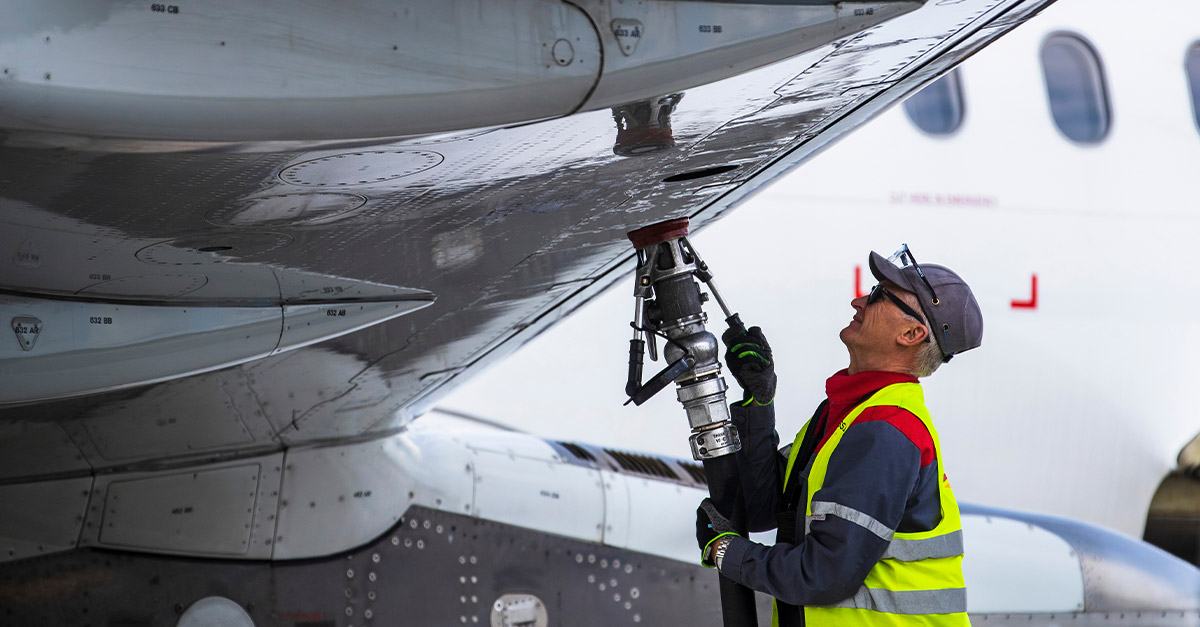

The integration of Sustainable Aviation Fuel (SAF) into the UK aviation sector promises to keep fare increases minimal, as asserted by the aviation minister.
With the transition to SAF, the government aims to responsibly reduce carbon emissions without imposing significant costs on passengers.
Adoption of Sustainable Aviation Fuel (SAF)
The aviation sector is moving towards adopting Sustainable Aviation Fuel (SAF) as a solution to reduce carbon emissions. Government officials have assured that the projected effect on airfares will remain minimal. During a session in Parliament, Aviation Minister Mike Kane highlighted the negligible impact on ticket prices as a result of this transition.
Projections by the government indicate that ticket prices will increase by only £4 by 2030 and £10 by 2040, equating to just a 2% and 5.5% rise, respectively. This minimal rise is justified by the environmental benefits and the responsibility placed on polluting industries.
Legislative Developments in SAF
In a recent parliamentary debate, the government reiterated its commitment to sustainable aviation. Responding to queries from the opposition, Minister Kane clarified that while traditional jet fuel is cheaper, the additional costs associated with SAF would not be a burden on taxpayers. Polluters will bear these extra costs, reflecting a fair approach to environmental responsibility.
The scheduled implementation of SAF mandates includes a tradeable certificate scheme, encouraging suppliers to achieve greater greenhouse gas reductions. This system rewards suppliers based on their contributions to emission reductions, aligning with the UK’s 2030 and 2040 carbon targets.
Environmental and Economic Implications
SAF is viewed as a vital tool for decarbonising the UK aviation sector. The mandated use of SAF is expected to generate substantial greenhouse gas savings, contributing to the broader objective of achieving net zero emissions.
Wera Hobhouse, an MP, argued for a ban on short-haul domestic flights that could be substituted by rail. This perspective adds to the ongoing debate about aligning travel costs with environmental impact.
Currently, the Labour government has no intention of halting air travel, focusing instead on integrating SAF into the aviation industry to secure its future and lessen its environmental footprint.
Commercial Viability and Regulatory Compliance
The proposed SAF mandate requires suppliers to adhere to strict sustainability criteria. Acceptable SAF must be derived from residual waste, recycled carbon, or other sustainable processes, excluding crops for food, feed, or energy. These regulations aim to prevent negative impacts on food supply and energy markets.
This regulatory framework is set to commence on January 1, 2025, driving an initial target of 2% SAF in jet fuel, escalating to 10% by 2030 and 22% by 2040. Such clear targets underscore the government’s determination to propel the aviation sector towards a sustainable future.
The introduction of SAF obligations seeks to ensure that all jet fuel suppliers contribute to this environmental initiative, fostering a collective effort towards sustainability.
Parliamentary Discussions and Industry Reactions
In parliamentary discussions, varying views emerged about the SAF initiative. Liberal Democrat MP Wera Hobhouse supported stricter regulations, citing France’s ban on short-haul flights under 2.5 hours as a model.
Labour MP Grahame Morris emphasized the importance of sourcing SAF domestically and meeting the highest sustainability standards. Such voices reflect the mixed reactions within the industry, balancing environmental and economic considerations.
The principal sentiment revolves around using SAF as an opportunity to position the UK as a leader in aviation decarbonisation, with the potential to drive global standards for sustainability.
Government’s Position and Future Outlook
Transport Secretary Louise Haigh reinforced the government’s commitment on social media, highlighting SAF as a step towards a sustainable aviation sector. She stated the government’s ambitions to lead in clean energy and decarbonisation.
The adoption of SAF is considered a strategic move to safeguard the aerospace industry’s environmental integrity. By maintaining a steady trajectory towards cleaner fuel sources, the government anticipates significant reductions in carbon emissions.
This future-oriented strategy aims to balance economic growth with environmental stewardship, ensuring that aviation remains viable without compromising the planet’s health.
Summary and Implications for the Aviation Industry
As the aviation industry undergoes this green transition, stakeholders are urged to adapt to new regulations. The emphasis is on achieving sustainability without overwhelming economic burdens.
In summary, the introduction of SAF in aviation signifies a progressive step towards sustainability, with negligible fare increases expected.
This approach aligns with broader environmental goals, maintaining aviation’s role in the economy while reducing its environmental footprint.
