


Chris Rea didn’t make his wealth public. He lived like he played: slowly, methodically, and without needless fanfare. Some accounts put his net worth at about $8 million, but others put it closer to $10 million, particularly when long-term licensing agreements and posthumous payments are taken into account. But such figures only hint at a history based on ageless music, wise decisions, and artistic mastery.
With his gravelly voice and nostalgic melodies, Rea has quietly created over 25 studio albums, sold over 30 million records, and gained a place in millions of homes over the past fifty years. “Driving Home for Christmas” became a seasonal classic by beautifully portraying an emotional routine rather than via pushy marketing. Every year, its resuscitation greatly increased his royalties, particularly in the December rush on streaming services, grocery stores, and retail ads.
Rea’s inclination for ownership set him apart from many other chart-topping musicians. Particularly in later life, he kept the copyright to a large portion of his music, preferring artistic autonomy above corporate profit-sharing. As a result, he was able to finance projects such as Blue Guitars, an 11-disc examination of blues history that is incredibly thorough, artistically ambitious, and surprisingly inexpensive for its scope. Even though that box set didn’t sell well, it became a collector’s favorite and gained lasting worth in specialized markets.
Table: Key Facts about Chris Rea
| Detail | Information |
|---|---|
| Full Name | Christopher Anton Rea |
| Date of Birth | March 4, 1951 |
| Date of Death | December 22, 2025 |
| Known For | “Driving Home for Christmas,” “The Road to Hell,” slide guitar blues-rock |
| Estimated Net Worth | $8–10 million (estimates varied by source) |
| Career Highlights | Over 30 million albums sold, 25 studio albums, multiple Platinum certifications |
| Personal Interests | Ferraris, motorsports, painting, charitable auctions |
| External Reference | Chris Rea Wikipedia |
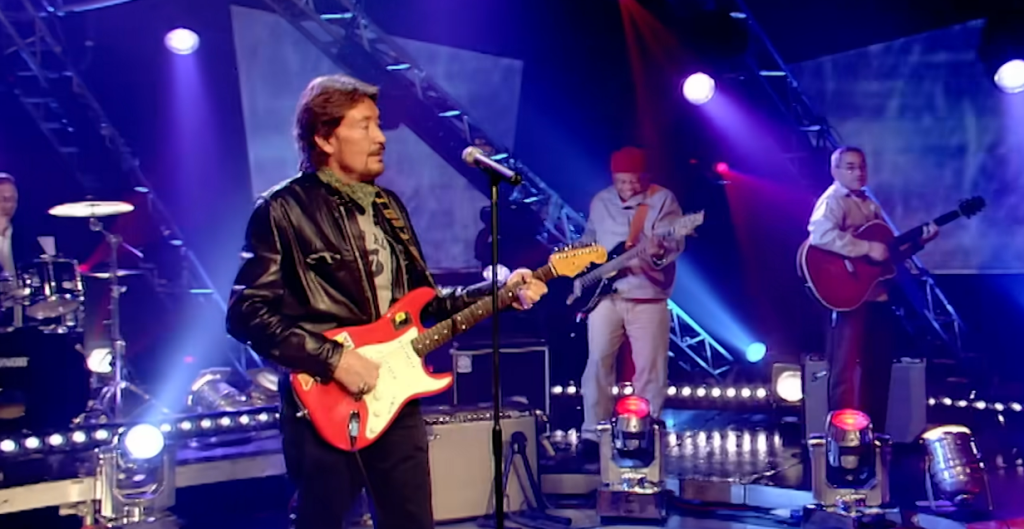
Rea’s passions became tangible assets off stage. He had a strong affinity for vehicles, Ferraris in particular. He notably had a Ferrari F355 Berlinetta “Holy Grail spec” and made a renowned modification to an electric Mini by engraving the lyrics to his song on the battery housing. When the Mini was put up for auction in 2023 for the domestic abuse organization Refuge, it attracted media attention and demonstrated his propensity to combine life, art, and charitable giving in distinctively subtle ways.
Rea’s music discreetly achieved a worldwide audience without being overexposed because to savvy alliances and cautious licensing. His song “The Road to Hell,” which was popular in the late 1980s, encapsulated the annoyance of the working class. His modest refusal to pursue American popularity, meanwhile, restricted his celebrity status but preserved his brand, especially in Europe. Two important markets where his records continuously did well were Germany and the UK.
The epidemic years saw a spike in demand for sentimental, emotionally resonant music. Songs from Rea’s discography, particularly “On the Beach,” saw a resurgence in popularity. Given that streaming revenue for legacy artists frequently rises dramatically when fans seek solace, his estate probably profited from this bump. Crucially, Rea’s songs generated higher-than-average returns per play because they were mostly self-produced and self-written.
He also demonstrated thoughtful intent in his charity decisions. The Auberge record cover’s Caterham 7 was put up for auction in the 1990s to benefit the NSPCC. The goal of these unobtrusive deeds was to transform private symbols into the common good. Instead of accumulating valuables, Rea frequently used sentimental objects to promote causes he supported.
Friends characterized him as modest, almost unwilling to admit his impact. Peers, however, held him in high regard. His use of slides in particular influenced a school of guitarists who were more interested in emotional than technical mastery. His financial narrative was equally rich with passion. Unlike celebrities who garnered media attention for their extravagant expenditures, Rea appeared to be very grounded—living simply, making prudent investments, and selecting enterprises based more on love than return on investment.
Immediately following his death in December 2025, there were sincere and passionate tributes. His music’s comeback to the charts, however, was much more telling. It reaffirmed what many already believed: his music had evolved into a part of rituals, seasonal soundtracks, and personal recollections rather than merely background noise.
Through the integration of personal authenticity, creative autonomy, and carefully chosen collaborations, Chris Rea’s financial success increased gradually but silently. His estate currently oversees a body of art that is still doing incredibly well. His voice may no longer fill recording booths, but the songs he left behind are nonetheless remarkably flexible, appearing in generations-spanning playlists, advertisements, and movies.
