
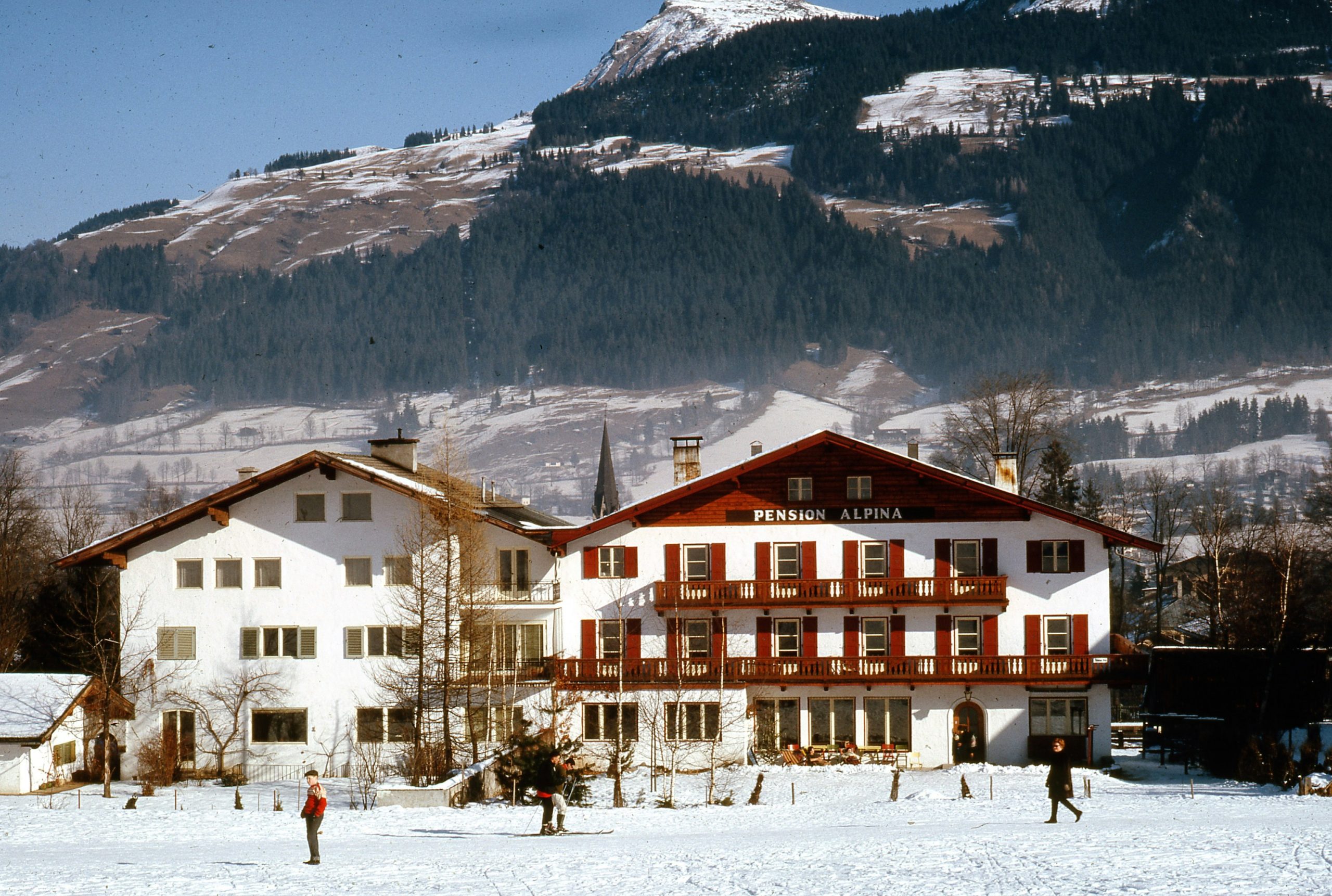

A dramatic surge in interest around après-ski culture is reshaping where British winter sports enthusiasts choose to spend their holidays, with affordability now rivalling snow quality as a deciding factor.
Search queries for ‘après-ski’ have exploded by 1,011% over the past year, reflecting a renewed appetite for the social rituals that follow a day on the slopes. Yet as mountain terraces and cosy alpine bars dominate social media feeds, the reality of escalating costs is pushing the UK’s 1.8 million active skiers and snowboarders to reconsider their destination choices.
The shift is particularly evident when it comes to post-slope dining and drinking. While France and Switzerland continue to draw crowds with their prestige and reliable snowfall, many British travellers are now questioning whether the premium price tags are justified – especially when a single beer can set them back more than the cost of an entire evening’s entertainment elsewhere.
But the trend comes with a cautionary note. Experts are warning that the très-ski revelry, however affordable, carries risks that extend beyond the wallet. Insurance providers are reminding holidaymakers that alcohol and mountain sports make a dangerous combination, with potential consequences for coverage should an accident occur.
Chris Trotman, underwriting specialist at SportsCover Direct, says the risks are often underestimated. “It can be tempting to celebrate a day on the slopes with a well-earned drink, but skiing back to your resort from a mountain bar after drinking carries significant risk,” he explains. “If an accident occurs and alcohol is found to be a contributing factor, insurance cover may be invalidated.”
The warning is particularly relevant given that alcohol leaves the system at roughly one unit per hour – meaning yesterday’s après-ski session could still affect tomorrow morning’s first run. At altitude, where the body processes alcohol differently, the effects can linger even longer than many skiers anticipate.
Yet it’s the financial rather than physical hangover that’s driving the most significant changes in booking patterns. An analysis covering 50 European ski resorts, conducted by SportsCover Direct, reveals stark disparities in the cost of unwinding after a day on the pistes.
French resorts, which remain the top choice for British winter sports enthusiasts, command some of the steepest prices on the continent. In numerous locations across the French Alps, hot chocolate exceeds £4 per cup, whilst bottled beer frequently crosses the £7 threshold. For families or groups settling in for an evening of socialising, the costs accumulate rapidly.
Switzerland and Norway occupy the upper echelons of the pricing spectrum. Resorts including St Moritz, Verbier and Wengen continue to attract those seeking luxury mountain experiences, but their après-ski offerings come at a premium that’s pricing out budget-conscious skiers.
The contrast with Eastern Europe is striking. Bulgaria, Romania and Kosovo have emerged as compelling alternatives, with destinations such as Bansko, Poiana Brașov and Gjeravica offering dramatically lower prices without sacrificing the essential elements of ski culture.
In Bansko, widely regarded as Bulgaria’s premier winter sports destination, a bottle of beer costs approximately £2. Hot chocolate runs to around £1.80. These figures represent a fraction of what skiers pay in Western European resorts, and the savings extend across most food and beverage categories.
The appeal of these so-called ‘destination dupes’ – budget-friendly alternatives to established hotspots – is growing rapidly among UK travellers. Balkan ski resorts are capitalising on this momentum, with many having invested significantly in infrastructure, lift systems and accommodation standards in recent years. What was once considered a compromise is increasingly viewed as a smart choice.
Italy occupies an interesting middle position in the affordability spectrum. Several Italian resorts feature prominently among the better-value destinations, offering vibrant après-ski atmospheres at prices that sit comfortably below those in France and Switzerland, though not quite matching Eastern Europe’s rock-bottom rates. The combination of established infrastructure, accessible location and moderate pricing makes Italy an attractive option for those seeking familiar European resort experiences without the most extreme price tags.
The geographic diversification of Europe’s ski market reflects broader changes in how British travellers approach winter holidays. With the overall cost of ski trips continuing to climb, late winter – traditionally the most popular season for swapping British grey skies for snow-covered peaks – is seeing more advance planning and budget comparison than ever before.
For many, the question is no longer simply where the best snow can be found, but where the complete experience offers the best value. Après-ski culture, once considered an expensive but essential part of any mountain holiday, is now a significant factor in destination selection.
Trotman notes that responsible enjoyment is possible with proper planning. He suggests that “planning travel arrangements in advance, monitoring alcohol intake and considering non-alcoholic alternatives can allow skiers to enjoy après-ski without compromising safety.”
The advice resonates particularly strongly in Eastern European resorts, where low prices can make over-indulgence easier to justify financially, even as the safety risks remain constant regardless of location or cost.
As the winter season progresses and more British skiers share their experiences from lesser-known destinations, the traditional hierarchy of European ski resorts appears to be undergoing a quiet revolution. Eastern Europe is shedding its status as a secret among budget travellers and entering mainstream consideration.
For holidaymakers planning trips in the coming weeks, the emerging picture is clear: exceptional après-ski experiences exist across a much wider price range than many assume, but the cheapest drinks won’t necessarily make for the best holiday if insurance complications or safety concerns arise. The smartest approach combines careful destination research with equally careful consideration of how to enjoy the social side of skiing responsibly.
