
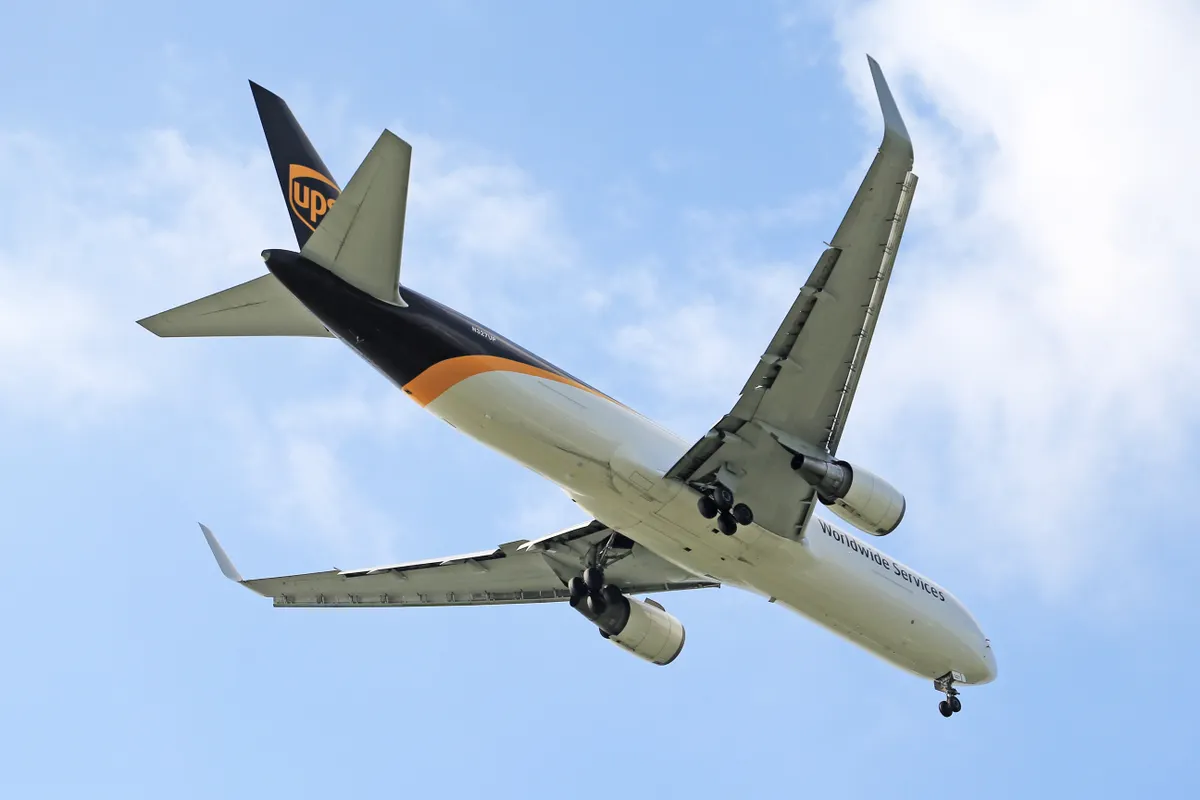

Boeing 737 MAX deliveries drove the manufacturer to its strongest first-half commercial handover total since 2018, with 314 aircraft delivered in the six months to the end of June 2026, as production capacity continues to expand. Boeing disclosed the figures on 14 July 2026, confirming that output is recovering at a pace not seen since before a series of production disruptions and heightened regulatory scrutiny weighed on the programme.
Second-quarter breakdown and June figures
Boeing handed over 171 aircraft in the second quarter, comprising 129 737s, 25 787 Dreamliners, 10 767s and seven 777s. For the full first half, the split was 243 737s, 40 787s, 16 767s and 15 777s.
June alone accounted for 64 deliveries, up from 60 in May and 60 in the same month a year earlier. Of those, 42 were 737 MAX aircraft and 13 were 787s. Boeing cautioned that all delivery figures remain preliminary until it publishes its second-quarter financial results on 28 July.
The first-half total of 314 was 12% higher than the 280 aircraft Boeing delivered in the equivalent period of 2025. Last year’s figure had itself represented a recovery from even lower output earlier in the decade, when regulatory intervention following two fatal 737 MAX crashes constrained production and deliveries for an extended period.
Boeing 737 MAX deliveries underpinned by expanded capacity
Boeing is moving monthly 737 MAX production from 42 aircraft toward 47, although the company noted that actual delivery numbers can vary month to month depending on inspections, customer schedules and work required on aircraft already built.
Capacity is being expanded further still. According to Quartz, Boeing opened a fourth 737 MAX final assembly line on 6 July in Everett, Washington. That fourth line is designed to support a longer-term target of 52 jets per month, beyond the nearer-term rate of 47 the manufacturer is currently working toward.
Part of the foundation for that ramp-up was laid in the inventory of stored aircraft. Simple Flying reported that in August 2025, Boeing flew the last of its 250 previously stored 737 MAX 8 jets out of Moses Lake, clearing a backlog of parked aircraft that had built up during the programme’s disrupted years. Working through that inventory allowed the manufacturer to convert stored jets into deliveries while simultaneously lifting factory output.
The 737 MAX family has now accumulated 7,206 gross orders, surpassing the 7,159 orders recorded for the previous-generation 737NG. Boeing registered 121 gross commercial orders and eight cancellations in June, yielding 113 net orders for the month. Its first-half net order total stood at 408 after cancellations and accounting adjustments.
Riyadh Air 787s and defence deliveries
Among June’s 787 deliveries were five aircraft for Riyadh Air that had been delayed by seat certification issues. The Saudi carrier began revenue operations in June after receiving its first Dreamliners. Boeing also handed over three 777 freighters and five 767s during the month, three of the latter destined for conversion into KC-46 aerial refuelling tankers by Boeing’s defence business.
On the defence side, Boeing delivered 35 aircraft and satellites in the second quarter and 65 in the first half. The six-month defence total included 32 new or remanufactured AH-64 Apache helicopters, eight KC-46 tankers, eight CH-47 Chinooks and five F/A-18-family aircraft.
Airbus still leads on volume
Despite Boeing’s improved pace, Boeing‘s European rival retained the volume lead. Airbus delivered 351 aircraft in the first half of 2026, including 89 in June, a 15% increase on its own first-half total from a year earlier. The gap between the two manufacturers narrowed compared with recent years, but Airbus delivered 37 more commercial aircraft than Boeing across the six-month period.
Boeing’s second-quarter financial results, due on 28 July, will confirm the final delivery count and provide an update on whether the 737 MAX production rate increase is translating into the margin recovery the company’s recovery programme depends upon.
