

The cyclosporiasis outbreak US health authorities are investigating has now spread across nine states, prompting Global Affairs Canada to update its US travel advisory with a dedicated outbreak-monitoring section, as Canadian health officials confirm no domestic cases linked to the American clusters.
Global Affairs Canada updated the advisory on 17 July, adding guidance on cyclosporiasis, a gastrointestinal illness caused by the microscopic parasite Cyclospora cayetanensis and widely associated with what the department describes as “explosive diarrhea.” The government notes that the infection is “unlikely to spread directly between people” and is typically contracted through food or water contaminated with the parasite.
Outbreak Now Spans Nine States as Case Counts Rise
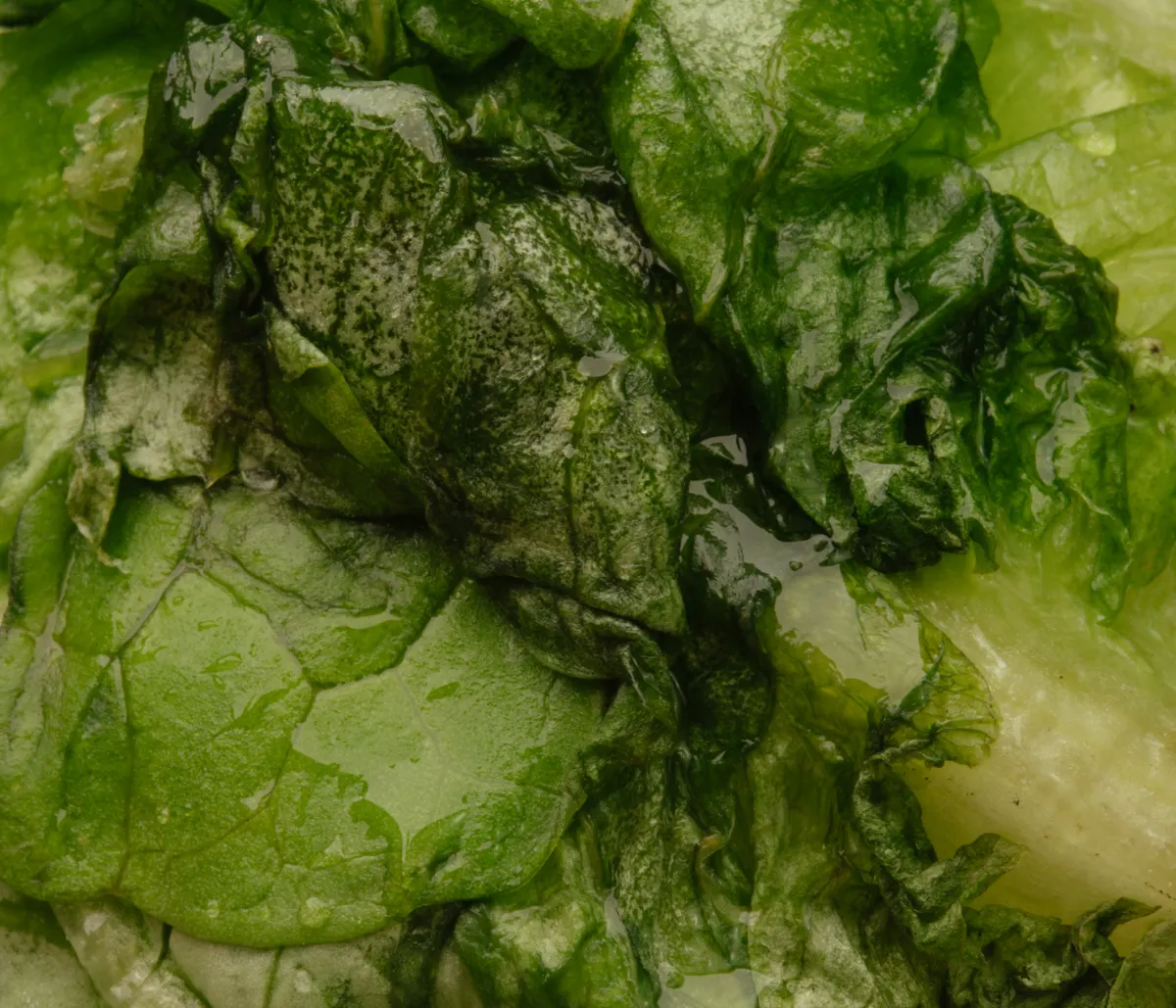
When Canada issued its update, the outbreak was centred on a smaller cluster of states. Since then, the case count has grown materially. According to the Centers for Disease Control and Prevention (CDC) investigation page, the total multistate outbreak now stands at 1,947 cases. Of those, 1,644 people who reported exposure to Taco Bell have been recorded across five states, with the CDC tracing the source back to iceberg lettuce. Taylor Farms de Mexico initiated a recall of iceberg lettuce sourced from central Mexico on 17 July, the same day Canada refreshed its advisory.
The geographic spread has widened considerably. Reporting by CNBC confirms that Illinois, Kansas, Oklahoma and Pennsylvania have now been linked to the outbreak, joining Indiana, Kentucky, Ohio, West Virginia and Michigan. That brings the total to nine affected states, with the Midwest remaining the epicentre.
Michigan is by far the hardest-hit state, with 5,002 cases and over 100 hospitalisations recorded as of 16 July. Detroit is the primary hotspot, with Wayne County reporting close to 600 cases and Oakland and Ingham counties each reporting around 400. The Detroit market carries particular relevance for the Canadian travel trade: it sits within easy reach of multiple border crossings, including the Detroit-Windsor Tunnel, the Ambassador Bridge, and the Gordie Howe International Bridge, making it one of the most-visited US destinations for Canadian day-trippers and short-break travellers.
Ohio reported 1,316 cases according to the Ohio Department of Health. Indiana, Illinois, West Virginia and Kentucky have also recorded cases, though specific state-level figures for those markets were not detailed in the advisory update.
Broader US Surveillance Data Points to a Larger Picture
The multistate Taco Bell-linked cluster is one part of a wider seasonal picture. CDC surveillance data covering all US cyclosporiasis cases acquired domestically between 1 May and 27 July 2026 puts the total at 6,707 cases, a figure that encompasses infections beyond the specific restaurant-linked outbreak. That broader count underscores how active the parasite is across the country during the summer produce season, even as the investigation into the restaurant-linked cluster remains the primary focus for public health authorities.
Canada’s own Public Health Agency (PHAC) reports the outbreak is not currently affecting Canada. Officials are, however, monitoring a seasonal rise in isolated travel-related cases in British Columbia and Quebec, which PHAC says are mainly linked to Mexico rather than to the US clusters.
What Canadian Travellers and the Trade Need to Know
Despite the scale of the outbreak, the Canadian government has maintained a Level 1 designation for the US (its lowest-risk rating) and advises travellers to “take normal security precautions.” For travel agents and operators handling cross-border bookings, that designation means no formal recommendation against travel, but the outbreak-monitoring section in the advisory is material information to pass to clients, particularly those visiting Michigan or other affected Midwest states.
The CDC and Global Affairs Canada advise travellers to practise proper hand hygiene and to wash fresh produce thoroughly under clean, cool, running water before eating, cutting or cooking it, even produce labelled as pre-washed or ready to eat. Disinfectants and produce washes may not fully eliminate Cyclospora. The CDC notes that cooking produce to at least 158°F (70°C) can kill the parasite.
Travellers who develop symptoms, including watery diarrhoea, nausea, fatigue, cramping and loss of appetite, which can appear anywhere from days to six or seven weeks after exposure, are advised to seek medical care promptly, disclose their full food and travel history, and request a Cyclospora test. The CDC’s stated treatment is a 7-to-10-day course of trimethoprim-sulfamethoxazole (TMP-SMX), available under the brand names Bactrim, Septra and Cotrim, with alternative options available for travellers with a sulfa allergy.
