
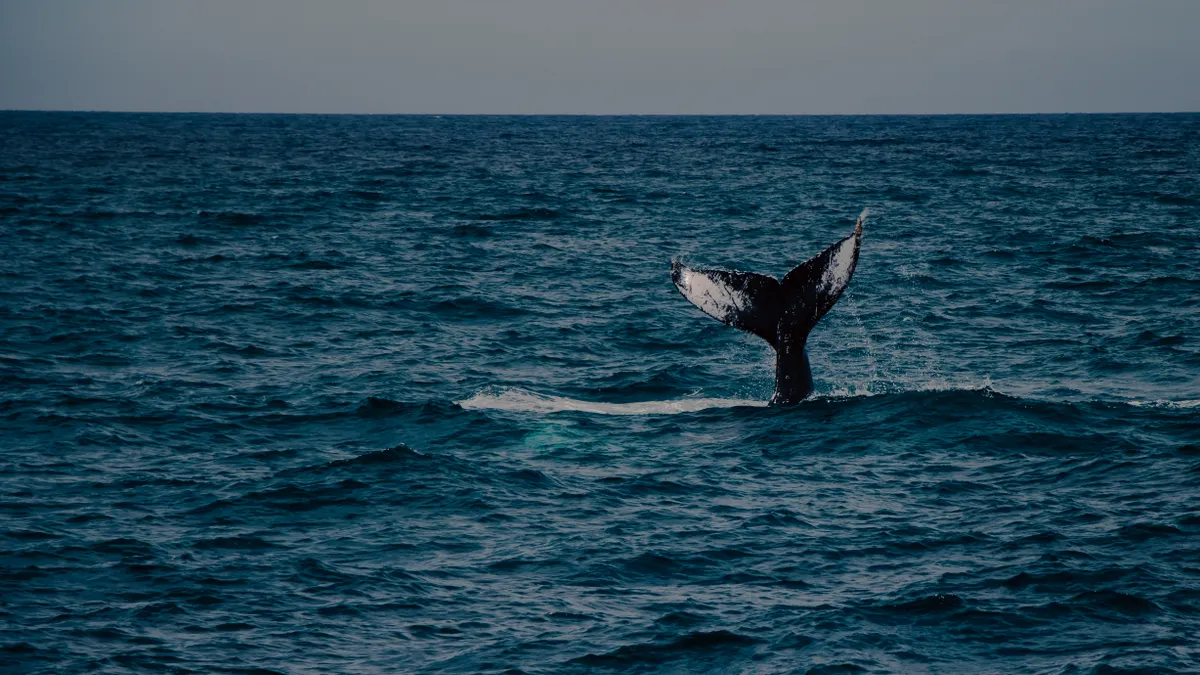

MSC Cruises ORCA Alaska collaboration has moved beyond crew training and into active at-sea research for the first time, with a dedicated marine mammal observer (MMO) now aboard the MSC Poesia during the line’s inaugural Alaska season, sailing round-trip from Seattle.
Maria Snell, described in an MSC press release as a UK-based marine mammal observer and leading member of ORCA‘s whale-vessel interaction research programme, set sail on 27 July 2026. She is using what the release describes as a ‘specialised mobile observation rig combining high-powered binoculars and camera technology’ to study whale behaviour and vessel interactions, while also training MSC crew members and supporting responsible navigation practices. When the project concludes, ORCA will publish a scientific report detailing her findings for the broader scientific and maritime communities.
The Seward incident that sharpened the focus
The research deployment comes against a backdrop of renewed concern over vessel strikes in Alaskan waters. In June 2026, a Royal Caribbean cruise ship arrived at the port of Seward on 19 June with a dead fin whale draped across its bow, according to Alaska Beacon. Biologists completed a preliminary necropsy over the following weekend and announced findings on the Tuesday afternoon, Alaska Public reported. Those findings revealed blunt force trauma to the jaw, spine and ribs consistent with a vessel strike, according to Fox Weather.
The timing is not incidental. Whale feeding season in Alaska coincides with peak summer cruise season, placing high vessel-traffic density in the same waters where humpback and fin whale populations concentrate to feed. It is precisely this overlap that MSC and ORCA say their programme is designed to address.
MSC Cruises ORCA partnership: from training to live research
MSC and ORCA have worked together since 2022, providing marine wildlife training to shipboard officers. The current Alaska deployment is, however, the first time active research has been conducted aboard an MSC vessel, a distinction the companies say positions the findings to benefit the wider maritime sector rather than a single operator.
Steve Jones, Chief Operating Officer at ORCA, set out the commercial and scientific logic in the MSC press release. ‘At ORCA, we know firsthand how collaborating with the maritime industry is key to creating safer oceans for whales and dolphins,’ Jones said. ‘This project builds on a strong and longstanding partnership, giving us a valuable opportunity to deepen our understanding of how we can work together to study and protect whales in one of the richest marine habitats on Earth.’
Jones added: ‘We are excited to see the findings from Maria’s time on board and how they will help shape our future work with MSC Cruises as we continue our shared commitment to safeguarding whales and dolphins.’
Snell herself, speaking in an interview, described the scale of the problem the research is attempting to quantify. ‘It’s quite hard to quantify because most strikes actually go unnoticed or unreported, but despite this, it’s estimated that it happens to thousands of whales every year,’ she said. She and the National Oceanic and Atmospheric Administration (NOAA) identify vessel strikes as among the greatest threats to whales in the ocean, often resulting in injury or death.
On practical mitigation, Snell is clear about the two primary tools available to an officer on watch. ‘One thing the ship can do is slow down,’ she explained. ‘The other thing that can be done is, if it is safe to do so, the ship can actually alter its course.’ NOAA guidance requires vessels to remain at least 100 yards from large whales, including a federal requirement to maintain that distance from humpback whales in Hawaiian and Alaskan waters.
Itineraries and what comes next
According to data cited from Cruise Mapper in the original MSC press materials, the Poesia is operating eight-day round-trip sailings from Seattle to Alaska, with a departure on 10 August 2026, and will continue offering seven-night Alaska itineraries through September. Each voyage carries Snell’s observation rig as a working research platform rather than a passenger amenity.
The Alaska programme is not MSC’s only conservation commitment in the Americas. The line also operates a Super Coral Programme at its private island in the Bahamas, focused on protecting local coral reefs. The ORCA scientific report from the Alaska research, when published, will be made available to the broader scientific and maritime communities, meaning operators across the sector, not just MSC, stand to benefit from Snell’s findings aboard the Poesia.
