
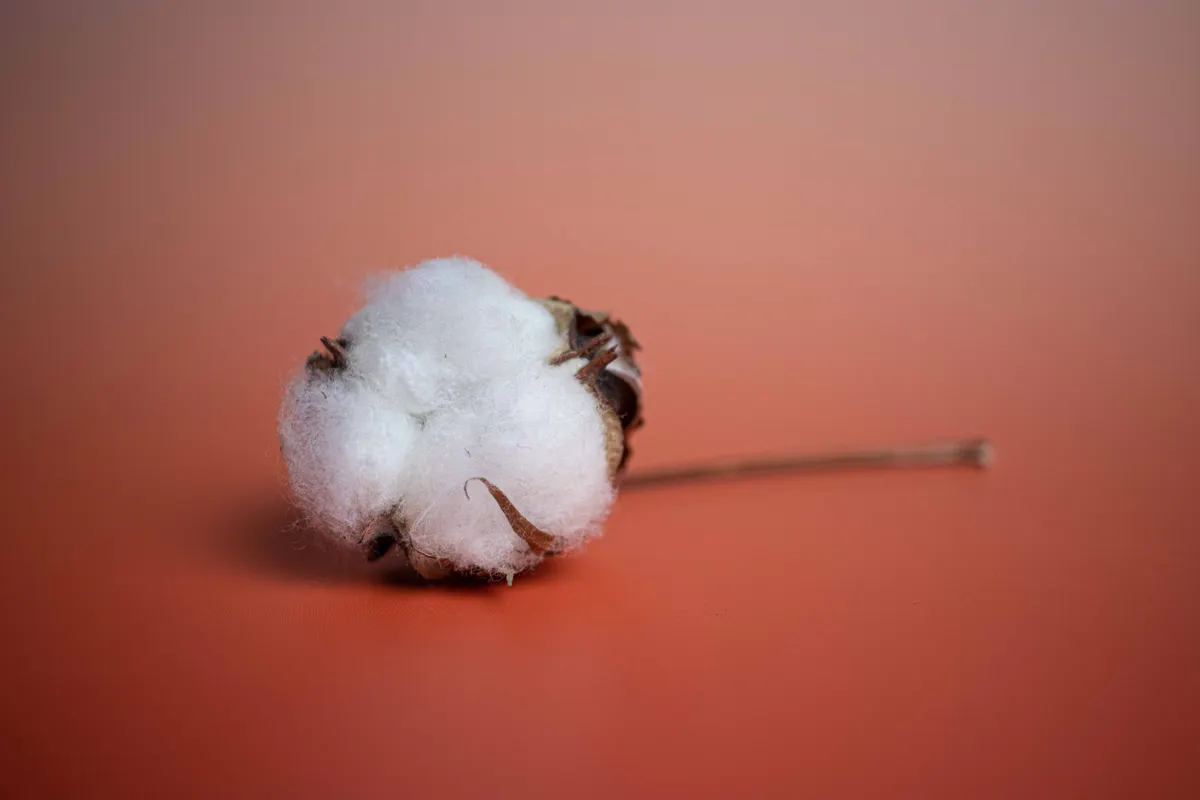

A Washington Dulles cotton seizure involving more than 440 pounds of raw, unprocessed material has prompted a public reminder from US Customs and Border Protection (CBP) about the strict import rules governing agricultural goods. CBP officers at Washington Dulles International Airport (IAD) stopped a family arriving from Afghanistan on Monday, 10 August, after selecting them for additional inspection.
440 Pounds Found Across Three Duffel Bags
During the inspection, officers discovered three large duffel bags packed with unprocessed cotton. The travellers told officers they had purchased the cotton at a store in Afghanistan and intended to use it to make bedding. CBP agriculture specialists were called to examine the material and found that it still contained seeds, a detail that placed it squarely within federal import restrictions.
Altogether, the cotton weighed slightly more than 440 pounds. According to a CBP news release dated 13 August, the incident took place in Sterling, Virginia, where the airport is located. The cotton was seized, but the family was permitted to continue their journey. CBP reported no arrests, charges, or penalties against the travellers.
Under federal rules, cotton and cotton seeds may not enter the United States without a USDA permit, a phytosanitary certificate, and an approved treatment such as fumigation. Raw cotton can harbour several destructive pests, including cotton seed bugs, boll weevils, and pink bollworms. The pink bollworm was eliminated from commercial cotton production in the continental United States in 2018, following decades of eradication efforts, while the boll weevil was eradicated by 99%. Allowing untreated material through the border risks reintroducing those pests.
CBP Area Port Director Christine Waugh, Area Port of Washington, D.C., said: ‘It’s important for travelers to know that something that they consider traditional and innocuous may be inadmissible because it could pose a serious threat to our nation’s agriculture and textile industries. Customs and Border Protection agriculture specialists have a very important role, and that is to educate travelers about these potential threats while they also protect our nation’s vital agricultural resources, and by extension, our nation’s economic security.’
Washington Dulles Cotton Seizure Part of a Broader Pattern at IAD
The Washington Dulles cotton seizure came just days before a separate incident at the same airport. According to TheTravel, on 15 August a passenger from New York was arrested at Washington Dulles after attempting to conceal 368 pounds of khat across eight checked suitcases. The two incidents, within days of each other at the same hub, underline the volume of prohibited material CBP officers encounter at IAD.
CBP requires all international travellers to declare agricultural and wildlife products upon arrival, covering meats, animal products, live animals, fruits, vegetables, plants, seeds, and soil. Declaring an item does not guarantee entry: agriculture specialists assess each product based on its place of origin, how it has been processed, and whether the traveller holds the necessary permits.
Failure to declare prohibited agricultural goods can result in civil penalties of up to $1,000 for first-time offenders, in addition to seizure of the items. By contrast, USDA Animal and Plant Health Inspection Service (APHIS) states that travellers who declare all agricultural products face no penalties, even if the items are ultimately confiscated.
CBP has also recently seized more than $53,000 in undeclared cash from a passenger departing a Florida airport, a reminder that declaration requirements extend well beyond agricultural goods to currency above $10,000 carried into or out of the country.
Travel agents and tour operators advising clients returning from Central Asia, South Asia, or other cotton-producing regions should flag that unprocessed natural fibres (including raw cotton) fall under federal restrictions. Travellers who are uncertain about an item should check requirements with APHIS before departure and declare everything on arrival.
CBP’s next step is clear from the Waugh statement: agriculture specialists will continue to use interceptions as education opportunities alongside enforcement, with IAD remaining a key checkpoint for inbound agricultural compliance.
