
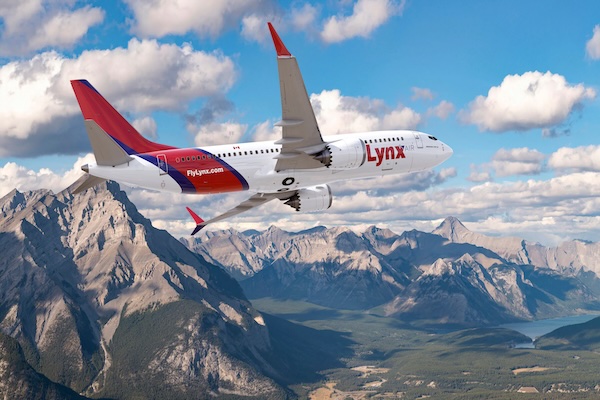

Canadian budget airline Lynx Air is set to cease operations imminently, confronting the realities of financial constraints. Passengers are advised to stay informed about their flight statuses.
Founded to democratise air travel, Lynx Air faced relentless financial pressures. Despite efforts, the airline could not overcome challenges, affecting its operational sustainability.
Lynx Air’s Journey and Challenges
Established in Calgary, Lynx Air emerged as a beacon of affordable travel, aiming to democratise air travel within Canada. However, the economic climate posed significant hurdles. Inflation and high fuel prices compounded financial burdens, making sustainability elusive. Despite ambitious expansion plans, the carrier found competition within the Canadian market daunting. Regulatory expenses further strained resources, adding to the operational challenges faced by the fledgling airline.
The airline’s commitment to offering low-cost, seamless travel experiences captured public interest initially. Nevertheless, the harsh realities of the aviation industry quickly became apparent. Exchange rates and cost of capital added pressure, creating a challenging environment for new entrants. Lynx Air, despite its innovative approach, struggled to maintain the financial buoyancy required to sustain operations long-term.
Fleet Expansion Plans and Ambitions
Lynx Air’s initial operations involved a modest fleet of six Boeing 737s. Over time, this expanded to ten as the airline sought to increase its footprint domestically and into the United States. The carrier’s vision extended far beyond its existing capacity, intending to bolster its fleet to 46 by 2028. Such growth strategies reflected an aggressive pursuit of market share amid stiff competition.
Operational growth was anticipated to coincide with an uptick in passenger numbers. Lynx Air successfully flew 620,000 passengers in its first year, showcasing the demand for budget-friendly aviation options. However, translating ambitious projections into feasible operations proved a complex task, exacerbated by financial constraints and intense market rivalry.
Impact on Passengers and Future Prospects
The abrupt cessation of Lynx Air’s services inevitably impacted passengers, many of whom relied on the carrier for budget travel. Flights will continue throughout the weekend to facilitate return journeys, though future bookings have been suspended, leaving travellers to seek alternatives. The airline assured passengers of notification regarding any cancellations via email.
Passengers valued the low-cost accessibility that Lynx Air provided. Its absence marks a notable gap in the market, particularly for underserved regions. While the airline’s closure resonates with immediate inconvenience, it also prompts consideration of consumer needs in a competitive market.
The company’s departure inflicts uncertainty on Canada’s low-cost airline sector. As stakeholders assess the implications, the broader industry must reflect on the viability of ultra-low-cost models amidst economic fluctuations. Lynx Air’s exit serves as a cautionary tale, emphasising the tightrope that budget carriers walk between affordability and sustainability.
Leadership and Strategic Decisions
Led by Merren McArthur, formerly of Tigerair Australia and Virgin Australia, Lynx Air’s leadership brought considerable expertise into its strategic decisions. McArthur’s experience in budget airline operations informed the aggressive expansion tactics. Her leadership underscored efforts to navigate regulatory landscapes while seeking market penetration.
Despite her strategic acumen, McArthur faced an industry landscape fraught with challenges. Her tenure at Lynx Air, though marked by aspirations for growth, underscores the harsh realities faced by budget airlines. Execution of bold plans under McArthur’s management was hindered by external economic pressures, which ultimately curtailed the ambitious trajectory set for Lynx Air.
The leadership’s dedication to providing affordable travel options remains unwavering. However, the airline’s operational pause invites reflection on strategic foresight and adaptability amid economic strife.
Financial Pressures and Market Dynamics
A multitude of financial pressures compounded Lynx Air’s operational challenges. Inflation, fuel prices, and regulatory costs coalesced to create an unsustainable economic model for the carrier. High operational costs overshadowed initial investment advantages, curtailing growth potential and market positioning.
The competitive tension in the Canadian aviation market further limited Lynx Air’s growth prospects. Larger incumbents leveraged established routes and economies of scale to maintain dominance, posing formidable barriers to entry for emerging players like Lynx Air.
The fluctuating exchange rates added another layer of complexity, impacting financial stability. Such volatility is a common hurdle for the aviation sector, underscoring the need for robust financial strategies that can weather market fluctuations. Lynx Air’s experience highlights the importance of flexibility and innovation in navigating these challenges.
Reflecting on Lynx Air’s Vision and Legacy
Lynx Air’s ambitions were underscored by a vision to make air travel accessible to more Canadians. Despite its operational challenges, the airline’s brief presence in the market sparked conversations about affordability and consumer choice. The narrative of Lynx Air serves as a reminder of the complexities involved in pioneering within a competitive industry.
While its closure represents a setback in the quest for accessible travel, the airline leaves behind lessons in ambition and perseverance. Stakeholders in the aviation industry are encouraged to consider these insights when planning future strategies.
Strategic mindsets must balance aggressive expansion with sustainable operations. The legacy of Lynx Air could influence future ventures, inspiring caution and innovation to address the formidable challenges of the aviation industry.
Conclusion of Operations
As Lynx Air ceases operations, the broader implications of its exit continue to unfold within the industry. Its closure invites reflection on the economic pressures influencing potential and existing ultra-budget carriers in Canada’s aviation space.
Lynx Air’s cessation highlights the risks inherent in the budget airline model, underscoring the need for strategic flexibility amidst economic challenges. Stakeholders may find valuable lessons in its story.
