
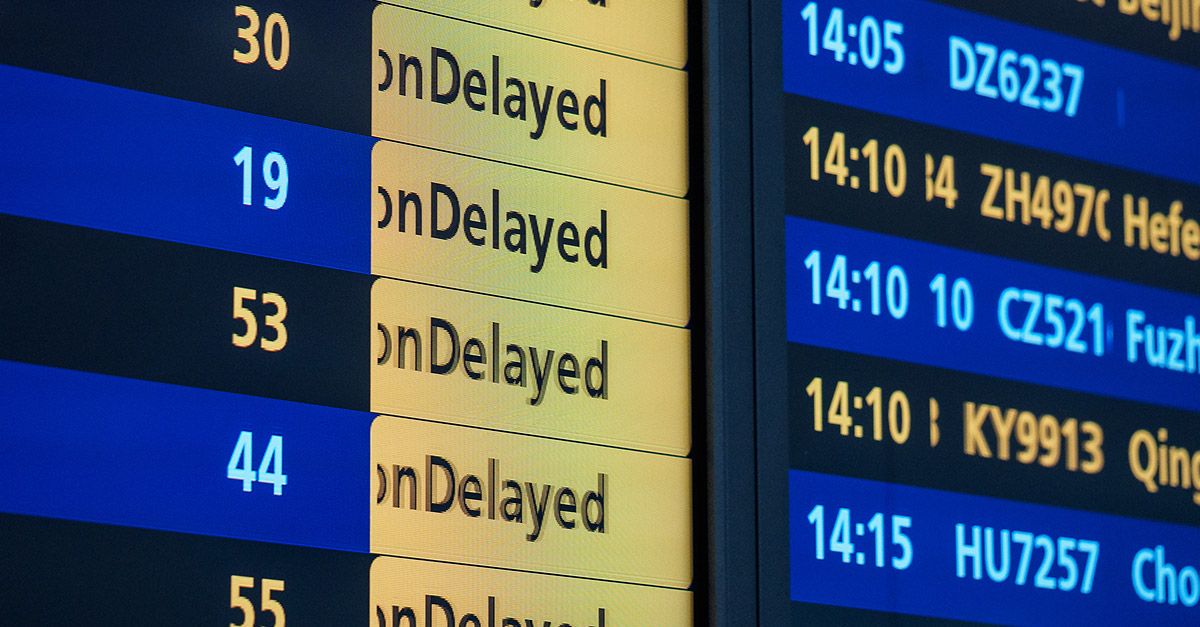

The Civil Aviation Authority (CAA) expressed approval following a Supreme Court ruling that airline crew sickness does not count as an ‘extraordinary circumstance’.
This landmark decision compels airlines to compensate passengers who experience delays due to crew illnesses, marking a new era in passenger rights.
Background of the Supreme Court Ruling
The Supreme Court’s decision to deny airline crew illness as an ‘extraordinary circumstance’ marks a significant shift in flight delay compensation policy. This ruling means passengers are entitled to compensation if their flights are delayed because of crew sickness. It highlights the importance of accountability among airlines regarding passenger inconvenience.
In the case of Lipton vs BA Cityflyer, the court found in favour of the passengers, who experienced a flight delay from Milan to London. This decision was pivotal as lower courts had previously rejected the passengers’ claims. The victory at the Supreme Court thus sets a precedent for similar cases in the future.
CAA’s Reaction and Expectations
The Civil Aviation Authority (CAA) has welcomed the ruling and expects airlines to comply. CAA consumer head Anna Bowles emphasised that this decision brings clarity to passenger rights and highlights that airlines cannot refuse compensation by citing staff illness as an extraordinary circumstance. The CAA plans to monitor compliance closely, ensuring that airlines uphold their obligations.
Airlines are expected to compensate passengers for delays caused by crew illnesses, applying the court’s interpretation to both existing and future claims. The agency’s vigilant oversight aims to ensure airlines swiftly adapt their policies in light of this judgment.
Implications for Airlines and Passengers
For airlines, this ruling necessitates a revision of their operational policies. They must now account for potential compensation payouts due to staff illnesses. This shift underscores the need for airlines to maintain robust staffing solutions and operational continuity to mitigate disruptions.
Passengers stand to benefit significantly from this ruling. With greater clarity on compensation eligibility, passengers can expect airlines to handle claims more transparently and without unnecessary bureaucratic hurdles. This ruling reinforces the consumer protection framework within the aviation sector.
European and UK courts have previously indicated that operational disruptions such as technical faults and industrial actions do not qualify as ‘extraordinary circumstances’, aligning with this recent ruling. This reinforces the notion that commonplace operational issues should be planned for by airlines.
Legal Perspective on Staff Illness
The Supreme Court’s decision reiterated that staff illness is not an extraordinary occurrence in business. This viewpoint clarifies that companies should anticipate and manage employee absences without penalising consumers. This places a responsibility on airlines to effectively manage staffing issues internally.
The court further highlighted that the routine wear and tear of aircraft and personnel should be anticipated by airlines. The judgment highlights the necessity for airlines to put in place proactive measures to handle such unavoidable operational challenges efficiently.
Comparison with Previous Judgments
This ruling aligns logically with prior UK and European court decisions on what constitutes extraordinary circumstances. Courts have previously determined instances like technical failures and employee strikes fall within the routine operational issues airlines should manage.
By reinforcing this stance, passengers are offered greater protections when dealing with flight disruptions in the UK and EU. This cohesion in legal interpretation ensures a more consistent application of compensation rules across the aviation industry.
Critically, the judgment underlines the importance of airlines having contingency plans for operational challenges to prevent unjustifiable penalties to passengers.
Airlines’ Responsibilities Under EC Regulation 261
Under EC Regulation 261, airlines operating flights to or from the UK and EU are required to offer compensation for delays not caused by extraordinary circumstances. This ruling further solidifies passengers’ rights within this regulatory framework.
Airlines must now ensure compliance with adjusted guidelines following the Supreme Court’s ruling. Increased scrutiny will be placed on how airlines implement this in practice, fostering a more consumer-friendly aviation environment.
CAA’s Monitoring and Oversight
The CAA is committed to closely monitoring airline adherence to this ruling. With increased oversight, airlines are expected to promptly address compensation claims and align with regulatory expectations.
The Supreme Court ruling has enhanced passenger protection, ensuring airlines uphold compensation obligations diligently.
With clear guidelines established, passengers can now expect a more accountable and responsive aviation industry.
