

Pull into a servo somewhere on the Hume Highway on a busy long weekend and the scene is familiar enough: a queue of SUVs and tradies’ utes backed up toward the road, a digital price board ticking upward in small increments that feel larger by the week, and a general low-grade anxiety in the air that people haven’t quite found a name for yet. It’s possible that most Australian road travellers don’t think of themselves as participants in a national fuel security crisis. But quietly, without much announcement, that’s what they’ve become. Australia’s liquid fuel dependency problem is no longer a policy document sitting in a Canberra drawer. It’s showing up at the pump, at airline ticket counters, and increasingly in the itineraries people are quietly revising before they leave home.
The numbers behind the situation have been building for years. Australia has almost no domestic oil refining capacity left, relying heavily on imported refined fuels — much of it routed through supply chains that pass through regions now generating their own geopolitical instability. Federal Opposition Leader Angus Taylor has been among the more vocal advocates for expanding domestic production, pointing to proven reserves of around 229 million barrels sitting beneath Australian soil. “We must dig, and we must drill,” he said recently, a line that landed differently depending on who was listening. Energy industry veteran Paul Binsted frames the problem from the other direction entirely, arguing that aggressively boosting electric vehicle sales is a fuel security decision that barely requires debate at this point. “No one’s going to go to war over the wind and sunshine coming into Australia,” he said. It’s a pointed observation.
| Issue | Australia’s liquid fuel dependency crisis |
|---|---|
| Current EV Market Share | Less than 15% of new car sales (2024–25) |
| Norway EV Comparison | Over 95% of new car sales are electric — matching this could add 11 days of petrol reserves |
| Australia’s Proven Oil Reserves | Approximately 229 million barrels |
| Key Freight Corridor | Sydney to Melbourne — Australia’s busiest freight route, flagged for urgent EV charging rollout |
| Key Government Voices | NSW Premier Chris Minns, Federal Opposition Leader Angus Taylor |
| Think Tank Input | Grattan Institute — recommending second-hand vehicle import reform and charging infrastructure investment |
| Top Consumer EV Concerns | Range anxiety, charging access, poor resale value |
| Sectors Most Exposed | Aviation, long-haul freight, remote communities |
| Global Risk Factor | Geopolitical instability — Middle East oil dependency, Iran sanctions, global price shocks |
For travellers planning road trips, particularly those covering the long inland distances that define Australian travel, the fuel question is becoming less abstract. Airlines have already begun adjusting schedules in response to jet fuel constraints, with several carriers cutting flights on routes where supply margins have tightened. Long-haul freight operators are passing fuel surcharges along the supply chain in ways that eventually reach the price sticker on everything from groceries in Broken Hill to accommodation rates in the Kimberley. The Australia fuel crisis is reshaping travel plans not through a single dramatic event, but through a slow accumulation of small pressures — a slightly longer queue, a higher nightly rate, a flight that no longer runs on Tuesdays.
The electric vehicle conversation sits in the middle of all this, unresolved and occasionally heated. A March analysis by the consultancy Mandala found that if Australia matched Norway’s EV penetration — where electric vehicles account for more than 95 per cent of new car sales — the country could add eleven days of petrol reserve cover simply through reduced demand. That’s a meaningful buffer in a country that currently holds significantly less than the ninety-day reserve recommended by the International Energy Agency. The gap between Norway’s situation and Australia’s, though, is not merely statistical. Norway built its EV market through sustained investment in charging infrastructure, significant tax incentives, toll exemptions, and the right to use bus lanes. Australia, over the same period, watched the fastest-growing segment of its car market become large, American-style diesel utes.
The charging infrastructure problem is real and worth taking seriously, particularly for anyone planning travel beyond the major east coast cities. Range anxiety — the persistent fear of running flat before reaching the next charger — remains the most commonly cited barrier to EV adoption among Australian consumers, alongside concerns about resale value and patchy access outside metropolitan areas. Binsted has suggested a targeted rollout of charging infrastructure at all petrol stations along key transit corridors, beginning with the Sydney–Melbourne and Sydney–Brisbane routes, which carry the heaviest freight and tourist volumes in the country. Alison Reeve, climate and energy policy director at the Grattan Institute, goes further, proposing that Australia reconsider its ban on importing second-hand vehicles — a change she believes could open up a large wave of affordable EVs from Asian markets faster than any domestic sales push alone could manage.
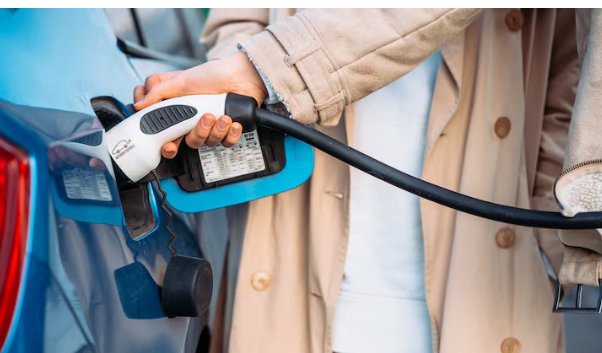
There’s a feeling, watching this debate unfold, that Australia is arriving at a decision point it has been deferring for a long time. NSW Premier Chris Minns said last week that electrifying transport is one of the most effective ways to reduce the state’s reliance on Middle Eastern oil — a framing that connects everyday travel decisions to a much larger strategic picture. Reeve raised something thornier still: whether governments may need to weigh fuel security against the data centre expansion that is also placing enormous demands on the national grid. It’s unclear how that choice gets made, or who makes it.
For now, Australian travellers planning their next long drive would do well to check fuel prices along their route before leaving, not after. The servo queue on the Hume isn’t getting shorter. And the price board isn’t finished moving yet.
