

Catharina Ras became the first recorded female landowner at the Cape in 1682 when she founded Steenberg. Three hundred and forty-three years later, the estate has appointed a woman to lead it again.
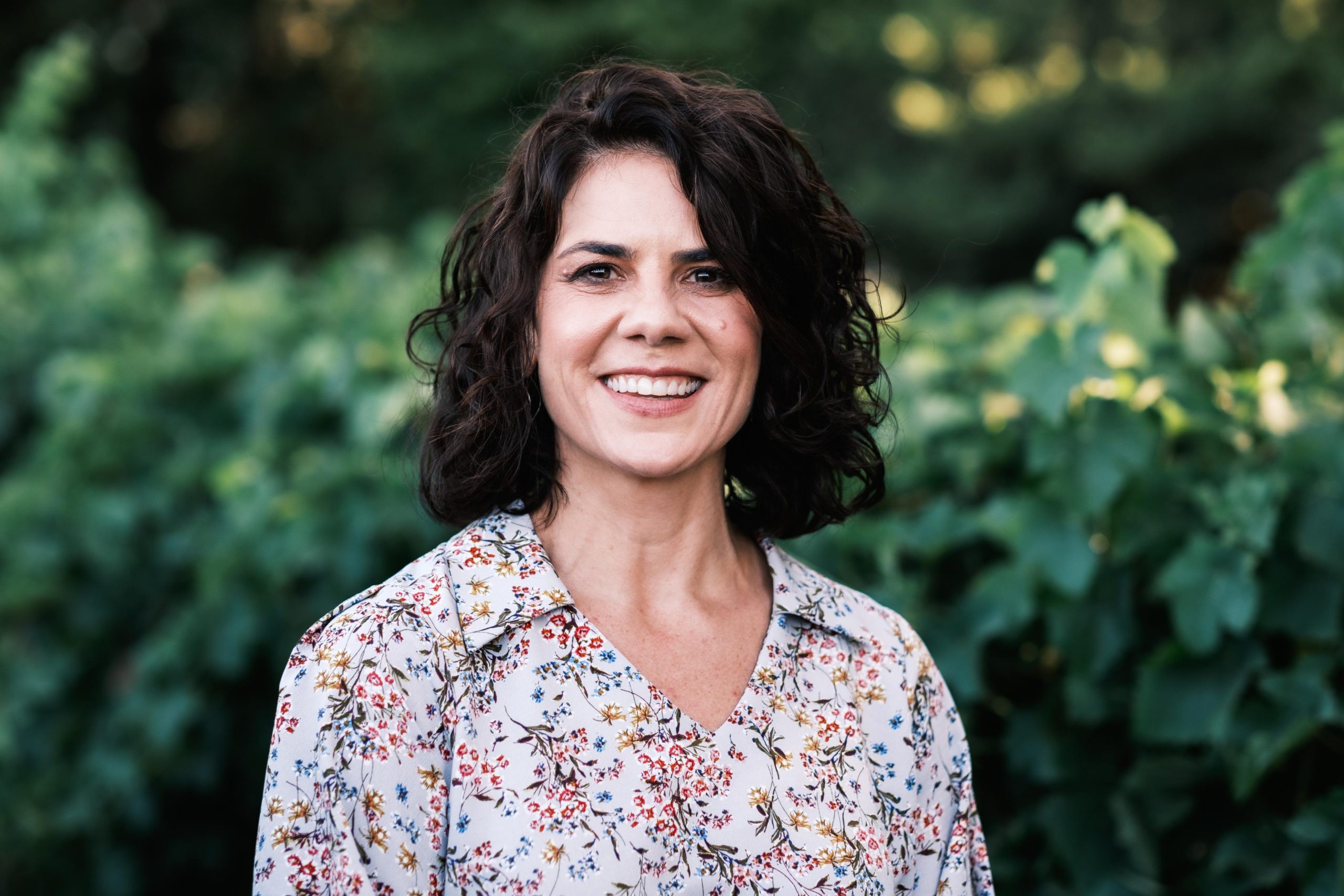
Helen Kock took over as chief executive of Beck Family Estates on 17th February, becoming the first woman to run the family-owned producer behind Graham Beck Cap Classique and Steenberg Vineyards. The appointment arrives as South African wine fights a perception battle worth £110 million.
That figure represents the value of South African wine exports to the UK in 2024, despite a 6% decline in both volume and value. The UK remains South Africa’s largest export market, absorbing 8.73 million litres annually. But the relationship has grown complicated.
“The misconception is that South African wine is exceptional value rather than exceptional full stop,” Kock said. “We must move from being the ‘smart buy’ to the ‘inspired choice’. When we stop apologising for where we come from and celebrate who we are, perception changes permanently.”
The numbers suggest she has a case to make. Graham Beck’s Cuvée Clive 2019 placed in the top 10 at the London Wine Fair’s Battle of the Bubbles in 2024, the only Southern Hemisphere wine in a lineup that included Krug and Dom Pérignon. The estate also claimed gold at the Decanter World Wine Awards and ranked second in the International Wine and Spirit Competition’s Top 50 Wine Producers.
Steenberg’s credentials stacked up similarly. The Lady R Cap Classique 2019 earned recognition at the London Wine Competition, while all six of Steenberg Vineyards’ wines scored 91 points or higher in Tim Atkin MW’s 2025 South Africa Report. Yet the awards haven’t translated into premium positioning.
Kock brings two decades of commercial and distribution experience to the role, including a stint as brand portfolio director at Vinimark. Her diagnosis of the problem is blunt.
“British consumers are curious, informed, and deeply connected to brands with integrity,” she explained. “Sustainability, minimal intervention and authenticity play directly into South Africa’s strengths. We need to lean into that, less ‘budget-friendly’, more ‘beautifully crafted with conscience’. The UK rewards transparency and substance.”
Chairman Antony Beck framed the appointment as both continuity and departure. “Helen embodies the values we hold dear: passion, excellence and long-term vision,” he said. “Her leadership will honour our heritage while positioning Beck Family Estates for a future defined by innovation, collaboration and renewed global relevance in markets like the UK.”
The symbolic weight of the appointment extends beyond one estate. Women remain underrepresented across South Africa’s wine industry, though the landscape is shifting. Around 75% of Black-owned wine brands in South Africa are women-owned, yet they account for less than 1% of domestic wine sales. The Cape Winemakers Guild Protégé Programme has graduated 18 women of colour among its 42 participants, while women now hold positions on the restructured South African Wine Board.
“Women bring nuance and connection to how we tell our stories,” Kock noted. “But this is bigger than gender. When diverse voices lead, the standard rises for everyone. Innovation begins with leadership diversity.”
Her strategy for the UK market hinges on emotional connection rather than technical compliance. “British consumers don’t just want proof that we’re sustainable; they want to feel it,” she said. “Sharing the people behind our vineyards, our biodiversity, and our regenerative farming practices creates a connection. Compliance alone doesn’t inspire; culture does.”
The challenge is complicated by post-Brexit trading pressures and shifting consumption patterns across the UK. Kock argues the solution lies in collaboration rather than competition among South African producers.
“We must double down on shared logistics, co-marketing and stronger category branding,” she said. “South Africa competes best when we compete together. The UK rewards integrity and partnership above hype; this is where our strength lies.”
She’s equally focused on operational fundamentals. “Distribution excellence and storytelling are equally critical,” Kock explained. “The UK rewards consistency, in quality and in visibility. Good logistics open the door, but great storytelling keeps it open.”
Beck Family Estates operates as both grape grower and exporter, with a multi-generational commitment to environmental restoration and regenerative farming. Antony Beck leads the company alongside his daughter Emma, maintaining exclusive export rights for Graham Beck and Steenberg Vineyards.
The UK market has shown increased appetite for wines with clear provenance and values-led leadership, even as overall import volumes declined in 2024. Industry observers suggest this creates opportunity for producers willing to invest in premium positioning.
Kock’s vision centres on heightened identity and deeper emotional resonance with British consumers. “The next chapter will be more premium, more purposeful and more personal,” she said. “Beck Family Estates will continue championing quality, innovation and storytelling, proving that South African wines can stand proudly beside the world’s best.”
Whether she can convert awards into perception shift remains the test. Graham Beck already competes in tastings against Champagne’s finest. Steenberg’s historical pedigree stretches back three centuries. The question is whether British consumers will pay for the story behind the bottle.
For now, Kock is betting on transparency over hype, collaboration over competition, and substance over price positioning. The approach echoes the woman who founded Steenberg in 1682—building something intended to last, regardless of who thought it possible.
