

A new digital platform from Brazil’s national tourism agency aims to transform how international visitors discover the country’s protected natural areas, with ambitions to eventually triple annual park visitation from current levels.
The online portal, launched by Visit Brasil (EMBRATUR – Brazilian Agency for International Tourism Promotion), showcases seven curated itineraries across Brazil’s diverse ecosystems, from Amazonian rainforest to coastal dunes. The initiative represents a strategic push to position Brazil as a major player in the global ecotourism market whilst supporting conservation efforts and local communities.
According to Renata Mendes, Executive Director of the Semeia Institute, which partnered on the project, there’s enormous untapped potential in Brazil’s park system. “We currently have about 16 million visits to national and state parks, but we can sustainably reach up to 56 million visits per year. Park tourism provides unique experiences, well-being, in addition to generating employment, income and environmental conservation in these territories. Strengthening visitation to our parks by foreign tourists is a way to position Brazil as a global power in ecotourism and introduce the world to our people and our nature,” she says.
The Semeia Institute, a non-profit philanthropic organisation focused on sustainable socioeconomic development of Brazilian conservation units, brings expertise in combining environmental protection with economic opportunities for local populations. This collaborative approach underpins the entire platform strategy.
Two complete itineraries have gone live initially at https://parquesnaturais.visitbrasil.com/en/, with five additional routes planned for subsequent release. The selection process considered practical factors including airport connectivity, bus terminal access, existing infrastructure within parks, and availability of tourist information.
The Central Amazon Parks itinerary takes visitors into the state of Amazonas, traversing one of Earth’s most pristine regions. The area holds dual UNESCO designations as both a Natural World Heritage Site and Biosphere Reserve. Travellers can explore the Anavilhanas National Park, Jaú National Park, and Adolpho Ducke Forest Reserve, alongside the Mamirauá Sustainable Development Reserve.
Experiences in this route range from sailing through river archipelagos and overnight stays in forest ecolodges to paddling through narrow streams known locally as igarapés. Visitors can participate in rituals with indigenous communities along the Rio Negro and sample Amazonian cuisine that reflects centuries of cultural resilience. Every trail and waterway offers encounters with wildlife in landscapes where ancestral wisdom still guides daily life.
Meanwhile, the Parks of the Route of Emotions itinerary stretches along Brazil’s northeastern coast, linking the states of Maranhão, Piauí and Ceará. This journey combines wind-shaped landscapes with generations-old traditions.
Highlights include Lençóis Maranhenses National Park, a striking white-sand ecosystem dotted with crystal-clear lagoons that has earned UNESCO Natural World Heritage Site status. The route also encompasses the Parnaíba Delta, characterised by winding river channels and flocks of scarlet ibis, and Jericoacoara National Park, where the coastal village has built a reputation around sunset viewing as a communal ritual.
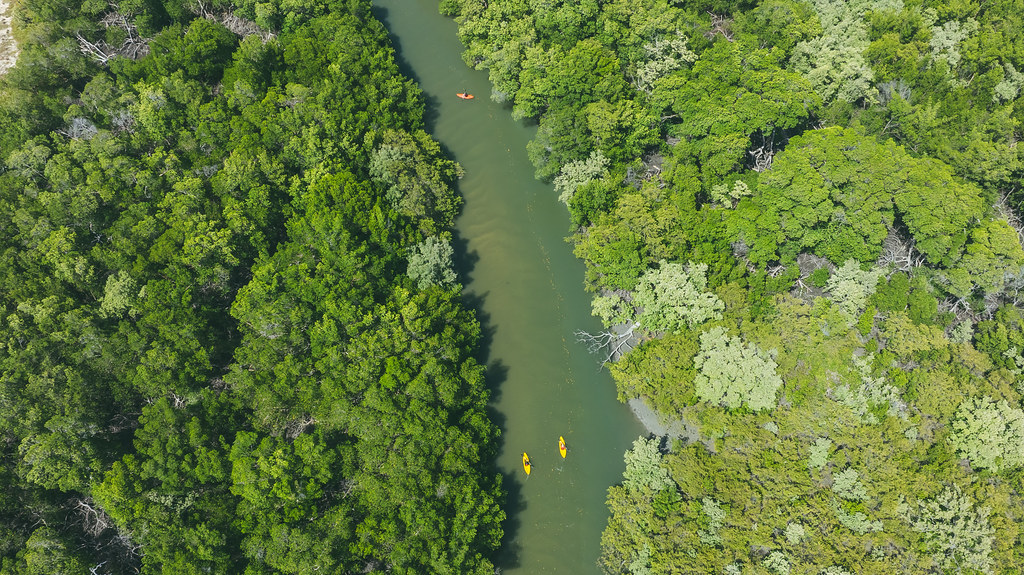
Activities along this northeastern route emphasise sensory connection: kayaking at dusk on the Camurupim River, witnessing bioluminescent plankton illuminating the waters near Atins, enjoying sunset picnics amongst the Lençóis dunes, and meeting crochet artisans who work beneath palm trees, preserving textile traditions.
Five additional itineraries will eventually join the platform, extending coverage to all Brazilian regions. Future routes will feature the Cerrado savanna, southern canyons, mountains in Espírito Santo state, and trails through indigenous territories.
Marcelo Freixo, President of Embratur/Visit Brasil, frames the initiative as meeting evolving traveller expectations. “People want to travel with meaning and experience something truly touching. And Brazil has that power to move, to welcome, to transform. Our parks are much more than beautiful landscapes. They hold the history, culture and ways of life of those who live off the land and with it. With this initiative, we are placing these territories at the centre of our international strategy, showing that it is possible to conserve nature, generate income, create opportunities, and still enchant visitors. This is the Brazil we want to reveal to the world,” he highlights.
The Natural Parks platform connects with another EMBRATUR initiative called Feel Brasil, developed in partnership with Sebrae (Brazilian Service for Support to Micro and Small Businesses). Feel Brasil aggregates 101 tourist experiences distributed across all regions, available in six languages.
These experiences span activities from rare bird watching in the Amazon and safaris in the Pantanal wetlands to coral regeneration projects in Porto de Galinhas and indigenous rituals in Bahia. The programme prioritises local entrepreneurship and inclusive practices – approximately 70 per cent of experiences are delivered by micro and small businesses, 59 per cent are led by women, and over 80 per cent incorporate elements of social inclusion, diversity and sustainability.
Feel Brasil has gained international recognition, earning finalist positions for the Skift IDEA Awards 2025 in the People & Community category and the City Nation Place Awards 2025.
Both platforms align with the Brasis Plan – International Tourism Marketing Plan 2025-2027, a strategic framework developed by EMBRATUR alongside Sebrae and the Getulio Vargas Foundation (FGV). The plan establishes three core pillars: innovation, diversity and sustainability. These principles guide Brazil’s international tourism positioning as a destination offering authentic, inclusive and transformative experiences.
Rather than simply marketing scenic attractions, the strategy emphasises tourism that creates meaningful connections between visitors and Brazil’s natural environment, cultural heritage and local populations. The approach treats each journey as an opportunity to forge links between nature, culture and shared humanity.
The Brazilian Tourist Board implements the National Tourism Policy with a mandate focused on promotion, marketing and services within international markets. By attracting overseas visitors to Brazilian destinations, EMBRATUR seeks to stimulate social and economic development across the country’s regions.
