
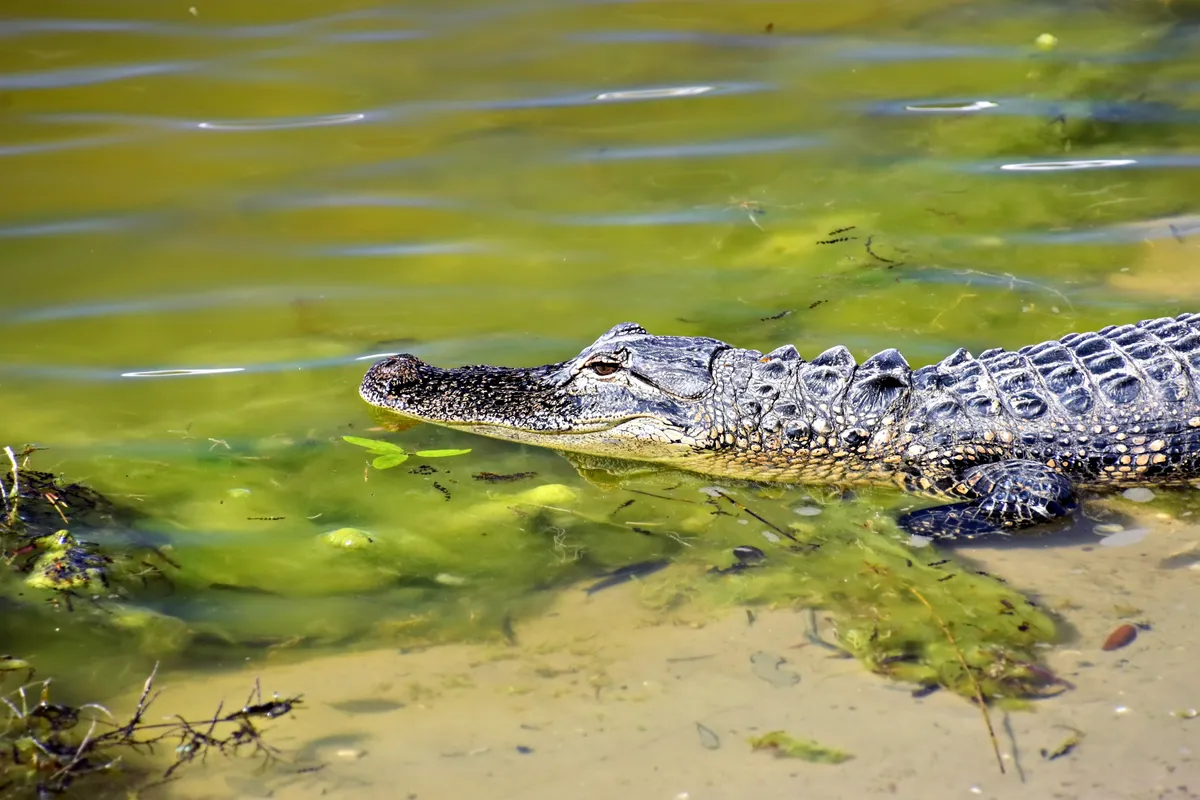

Disney World alligator removals have exceeded 400 since 2016, according to state records obtained by News 6, with at least 414 nuisance animals captured and extracted from the resort’s property in the decade following a fatal attack on a two-year-old boy at one of its hotels.
The Incident That Changed Disney World Alligator Removal Policy
The surge in removals dates directly to 14 June 2016, when two-year-old Lane Thomas Graves was attacked by an alligator while playing near the shoreline of the Seven Seas Lagoon outside Disney’s Grand Floridian Resort. The tragedy drew widespread attention to the presence of alligators across the 25,000-acre resort complex and prompted Disney to intensify its co-operation with state wildlife authorities.
Removal efforts had already been in effect at the resort since 1978, but the scale of activity increased sharply in the immediate aftermath. In 2016 alone, 83 nuisance alligators were removed from the property. That figure dropped to 57 in 2017 and settled to an average of roughly 36 per year between 2018 and 2025. At least 12 have been removed so far in 2026.
In 2021, a Walt Disney World spokesperson told News 6: ‘In keeping with our strong commitment to safety, we continue to reinforce procedures related to reporting sightings and interactions with wildlife, and work closely with Florida Fish and Wildlife Conservation Commission (FWC) to remove or relocate certain wildlife from our property in accordance with state regulations.’
How Disney World Alligator Removals Work Under SNAP
Many of the removals are handled through the FWC’s Statewide Nuisance Alligator Programme (SNAP), which was established to proactively address alligator threats in developed areas while conserving the reptiles where they occur naturally. According to FWC communications co-ordinator Hailee Seely, a nuisance alligator is defined as one measuring four feet or longer that is believed to pose a threat to people, pets, or property. Animals under four feet are generally not considered dangerous unless handled.
Florida’s alligator population is estimated at roughly 1.3 million statewide, making encounters across the resort’s extensive network of lakes, ponds, canals, and wetlands an ongoing management challenge rather than an exceptional event.
What Happens to Alligators After Capture
The fate of a captured alligator depends on its size and the circumstances of removal. Relocation to another part of Florida is rarely used as a solution. The FWC’s position is that alligators removed from a site frequently attempt to return to it, compounding safety risks and making any subsequent capture more difficult. ‘Relocated alligators often try to return to their capture site. They can create problems for people or other alligators along the way. If an alligator successfully returns, capturing it again would be necessary and likely more difficult the second time,’ the agency states.
Releasing nuisance animals into remote areas carries its own problems. The FWC notes that those areas already support established alligator populations with defined social structures. Introducing an additional animal ‘would likely cause fighting, possibly resulting in the death of a resident alligator or the introduced alligator.’ Because the FWC considers Florida’s alligator population healthy and stable, removals are not expected to have a material impact on the broader ecosystem.
In practice, alligators captured on Disney World property are sent to zoos, animal exhibits, licensed alligator farms, or private hunting preserves, or are euthanised, according to state records. Placement in a relocation site of any kind is the exception.
Safety Guidance for Guests at Walt Disney World
Despite the scale of Disney World alligator removals, serious incidents involving guests remain rare. The FWC advises that visitors keep a safe distance from any alligator, never approach or attempt to interact with one, and refrain from feeding them. Feeding is prohibited because it causes alligators to lose their natural wariness of humans and begin associating people with food.
Guests are also advised to swim only in designated swimming areas and, where possible, during daylight hours. Pet owners should keep animals on a lead and at least ten feet from the shoreline. Anyone who encounters an alligator of four feet or longer that appears to pose a threat can report it via the FWC’s toll-free Nuisance Alligator Hotline at 866-FWC-GATOR (866-392-4286). The agency will assess the report and, where necessary, dispatch a contracted nuisance alligator trapper.
The hotline also covers smaller alligators found in swimming pools or other confined spaces. Guests visiting Walt Disney World are unlikely to encounter an alligator directly, but the volume of removals since 2016 underlines that active wildlife management across the resort remains a constant operational commitment, not a precautionary afterthought.
