
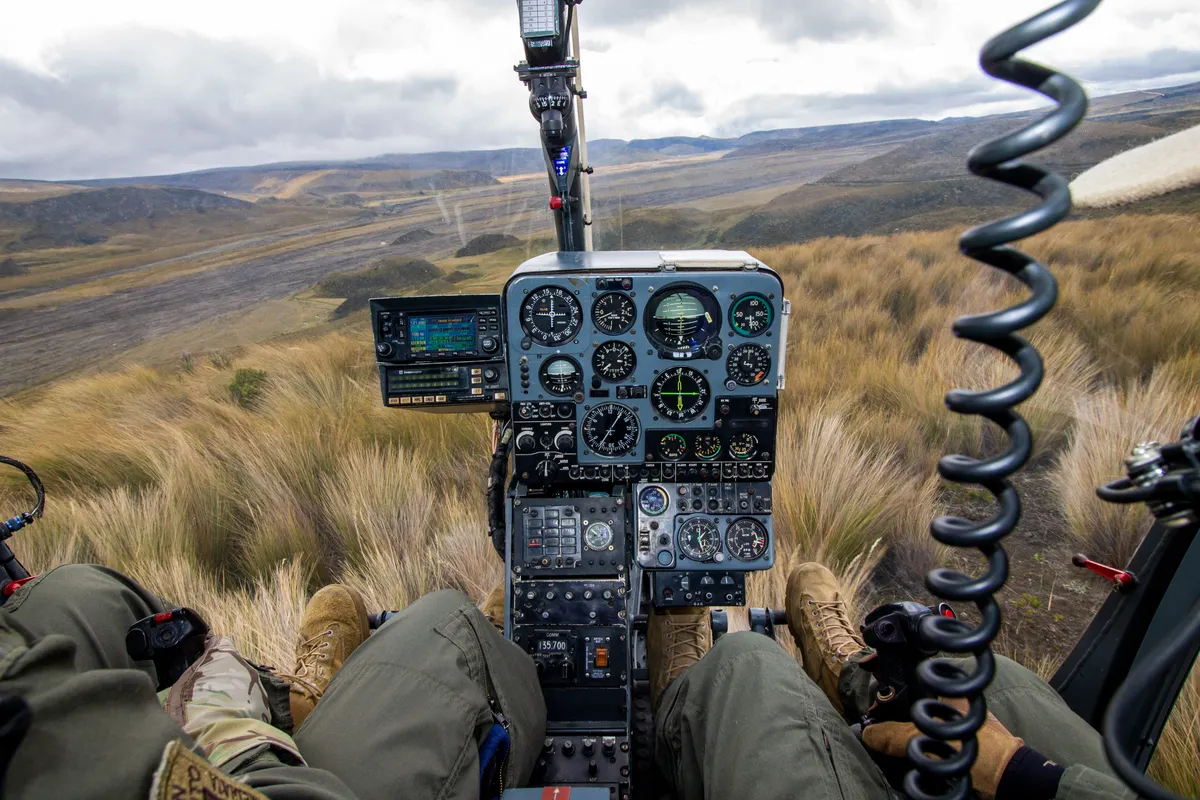

An LAPD helicopter drone collision above the San Fernando Valley on 7 July 2026 damaged an Airbus AS350’s windshield and forced the crew to land, prompting separate investigations by the FBI and the Federal Aviation Administration (FAA). The aircraft was on patrol near the 101 Freeway and Reseda Boulevard in Tarzana shortly before 15:00 local time when it struck the unmanned aircraft, according to the Los Angeles Police Department and a preliminary FAA report.
The pilot put the helicopter down safely at Van Nuys Airport (VNY). Neither of the two officers on board sustained injuries. Authorities described the drone as measuring approximately three feet by three feet, considerably larger than standard hobbyist equipment. As of 13 July, investigators had not established its make, model or the identity of the operator.
Brush fire backdrop to the LAPD helicopter drone collision
The incident occurred while firefighters were tackling a brush fire near the Encino Reservoir. An LAPD official said the drone operator may have been attempting to film the fire, though authorities have not determined whether the aircraft was deliberately manoeuvred towards the helicopter. The proximity of unmanned aircraft to active wildfire operations is a known operational hazard: when an unidentified drone enters the airspace, crewed aerial firefighting assets are typically grounded until the airspace is cleared.
The FAA generally limits drone operations to 400 feet above ground level, with further restrictions applying around airports and declared emergency zones. Whether the operator was aware of those restrictions, or of the active emergency operation below, remains under investigation.
Mayor Bass issues direct warning to operators
Los Angeles Mayor Karen Bass described the episode as ‘completely unacceptable’ and directed a pointed warning at drone operators. ‘This is a warning to anybody who’s flying a drone that interferes with Fire or Police: We will find you, you will be arrested, and you will be prosecuted,’ Bass said.
Her remarks reflect growing pressure on regulators and law enforcement to respond more forcefully to drone incursions near emergency operations. Authorities have not released photographs of the damaged helicopter or any footage of the collision itself.
Wider context: drone conflicts in US airspace
The Tarzana incident sits within a broader pattern of drone-aircraft conflicts across the United States. The FAA receives thousands of reports each year involving drones operating in proximity to aeroplanes and helicopters. Confirmed mid-air collisions remain relatively rare within that volume of reports, but the physical damage sustained by the AS350’s windshield in this case illustrates the structural risk posed by larger unmanned aircraft at operational altitudes.
The FBI‘s involvement alongside the FAA signals that federal authorities are treating the collision as a potential criminal matter rather than a straightforward airspace infringement. Under US federal law, interfering with the operation of an aircraft can carry substantial penalties, and the joint investigation will look at whether the drone’s presence constituted a deliberate act.
For the aviation and emergency-services sectors, the episode reinforces longstanding concerns about the enforcement gap between the volume of drone near-miss reports the FAA logs annually and the number of operators who are ultimately identified and prosecuted. The drone operator had not been identified as of 13 July 2026, and no charges had been filed. Both the FBI and FAA investigations remain open.
