

The Malaysia Airlines pilot arrest at Jakarta’s Soekarno-Hatta International Airport has prompted Malaysia’s Civil Aviation Authority (CAAM) to open a regulatory investigation into whether all aviation security requirements were met before the aircraft departed Kuala Lumpur International Airport (KLIA), the regulator announced on 2 August 2026.
Indonesian customs officers detained the pilot, identified only by the initials M.S.B.O., on 28 July 2026 following the arrival of flight MH727 from Kuala Lumpur (KUL) at CGK, according to The New York Times. Authorities allege they discovered approximately 25 kilograms of ecstasy pills and methamphetamine, equivalent to more than 70,000 capsules, concealed in the pilot’s luggage. Indonesian officials estimate the seized drugs carry a street value of around $10.5 million.
Pilot’s alleged prior runs and reported payment
The case has deepened considerably in the days since the initial detention. The New York Times reported that M.S.B.O. admitted to previously transporting drugs on two occasions: once delivering methamphetamine to Sabah, Malaysia, and on a separate occasion transporting 7 kilograms of methamphetamine to Jakarta. According to the same reporting, M.S.B.O. had been promised 50,000 Malaysian Ringgit, or about $12,200, to carry the drugs on the flight that led to his arrest.
AP News also reported the pilot’s admission of the two prior transport incidents, including the earlier methamphetamine delivery to Sabah. The admissions, if accurate, suggest M.S.B.O. had successfully exploited aviation routes on more than one occasion before Indonesian customs intervened on 28 July.
Malaysia Airlines pilot arrest prompts parallel investigations
On 1 August, Malaysian police confirmed they had launched a parallel criminal investigation, reviewing CCTV footage and baggage screening records at KLIA while co-operating with Indonesian authorities. Investigators are also examining whether the case connects to a wider cross-border drug trafficking syndicate and whether commercial aviation routes were systematically exploited for smuggling operations.
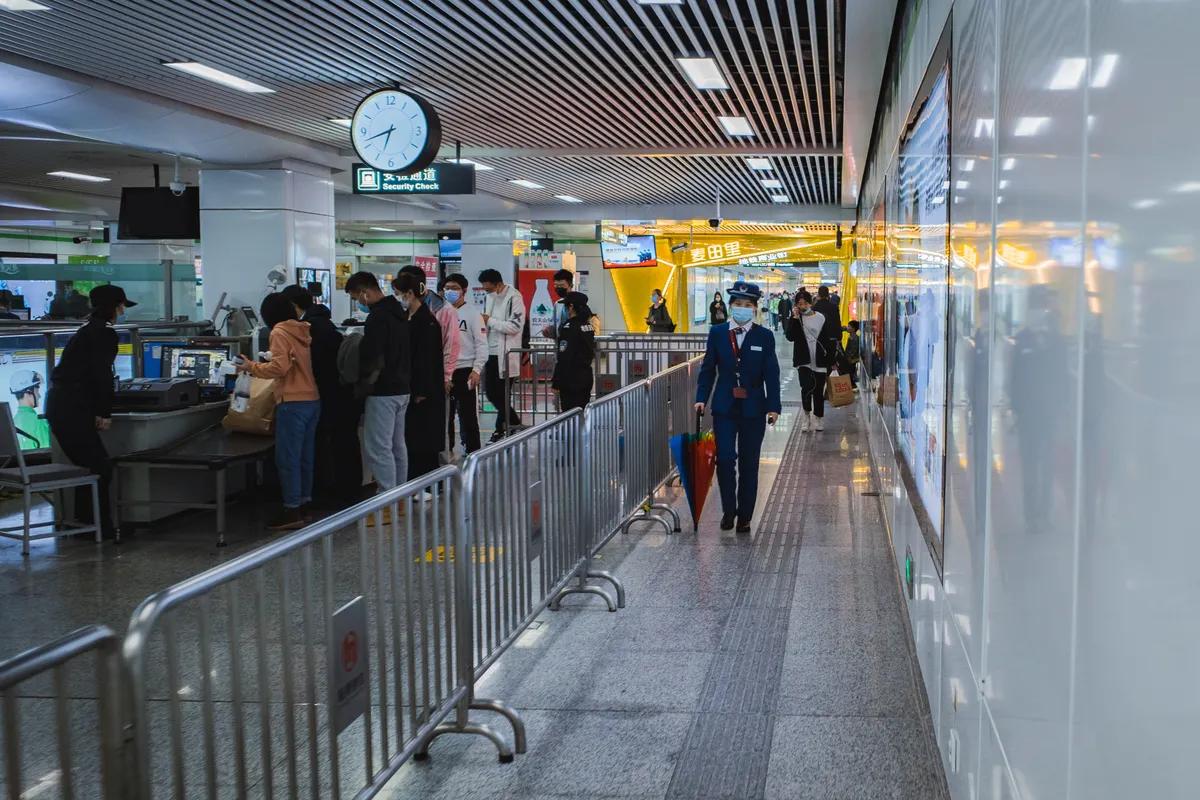
CAAM’s regulatory probe, announced the following day, will assess airline compliance with aviation security regulations alongside the airport screening procedures applied before the flight departed Malaysia. CAAM Chief Executive Datuk Captain Norazman Mahmud said the review will determine whether all applicable security measures were followed before the aircraft’s departure. He stressed that flight crew are not exempt from airport security screening and must undergo the same procedures as other individuals entering security-restricted areas, including X-ray inspection of cabin baggage and personal belongings.
The authority confirmed it is operating under Malaysia’s Civil Aviation Security Regulations 2019 and the National Civil Aviation Security Programme. CAAM added that it is collecting evidence and will take enforcement action within its jurisdiction should any breaches of aviation regulations or security requirements be identified.
The case raises uncomfortable operational questions for airport security managers across the region. Crew members routinely pass through dedicated screening lanes, and the regularity with which M.S.B.O. allegedly moved controlled substances undetected will focus attention on how thoroughly crew baggage is X-rayed and whether procedural exemptions, formal or informal, exist in practice. CAAM’s probe will specifically test whether the letter of Malaysia’s security regulations was followed, or whether gaps between written policy and operational screening allowed contraband to pass through.
Malaysia Airlines has said it is fully co-operating with the Indonesian investigation while conducting its own internal review. The carrier has not publicly commented on its internal crew screening or compliance procedures beyond that statement.
With CAAM collecting evidence and Malaysian police cross-referencing KLIA surveillance records with Indonesian findings, the two-track investigation is at an active stage. CAAM has indicated enforcement action will follow if breaches are confirmed, making the outcome of its evidence-gathering phase the next concrete milestone in the case.
