
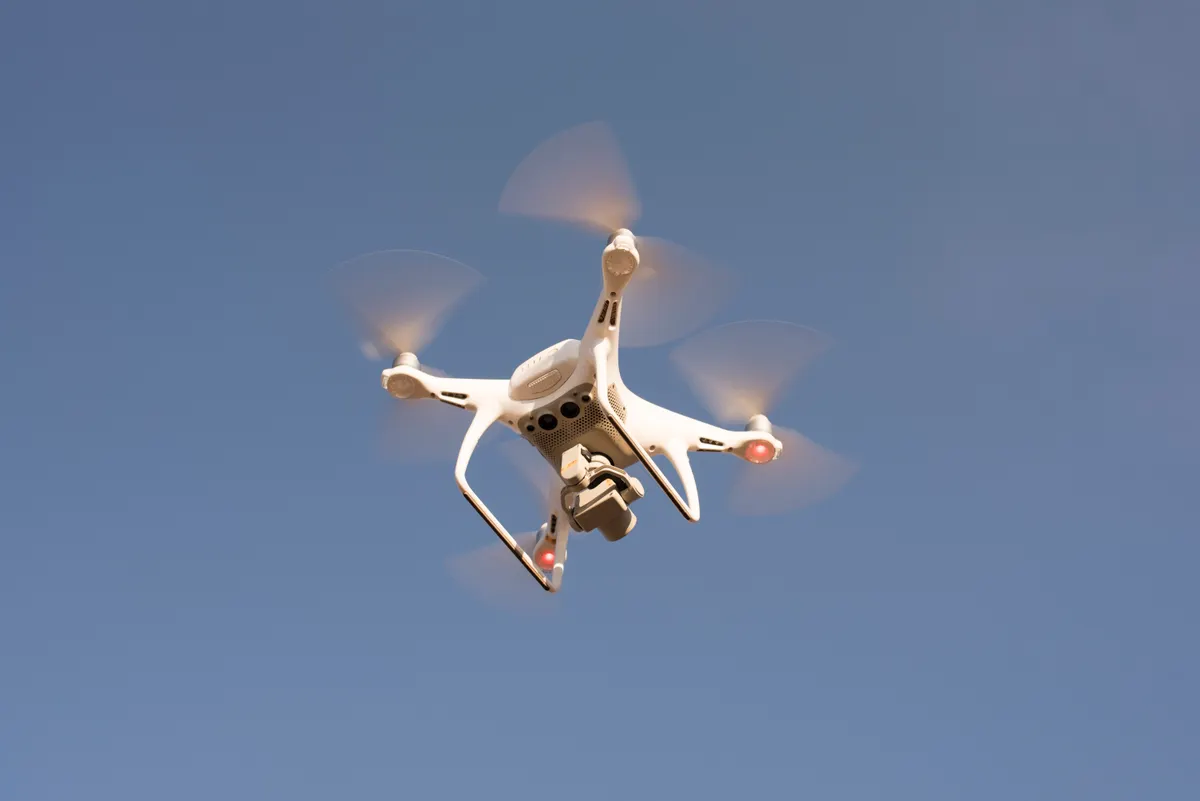

The RAAF Base Williamtown drone breach that unfolded over three days in July has drawn scrutiny across Australia’s defence establishment, with authorities yet to identify the operators or explain the purpose of the incursions into restricted airspace above one of the country’s most sensitive military installations. Multiple unidentified drones entered the airspace around the base and the adjacent Newcastle Airport in New South Wales between 11 and 13 July 2026, according to Australian media reports.
Australia’s Department of Defence has acknowledged the incidents. Defence Industry Minister Pat Conroy confirmed on 10 August that the broad reporting on the number of drones involved and the days on which they appeared was accurate, though he declined to disclose further operational details.
What happened at RAAF Base Williamtown
Williamtown, situated approximately 20 miles north of Newcastle, is Australia’s principal fighter training base and houses most of the Royal Australian Air Force’s Lockheed Martin F-35A Lightning II fleet. The base also operates Boeing E-7A Wedgetail airborne early warning and control aircraft alongside Hawk 127 and Pilatus PC-21 trainers. Newcastle Airport shares the same airfield under an agreement with the Department of Defence, meaning the airspace restrictions in question cover both military and civilian flight operations.
The Daily Telegraph, which first reported the incursions, said multiple drones were confirmed inside restricted airspace across the three-day period. Personnel at Williamtown were reportedly instructed to close window blinds to prevent sensitive information from being viewed or photographed from the air. None of the drones was reported recovered or publicly identified.
The incidents were referred to the New South Wales Police Counter-UAS Unit. Conroy said the police investigation has since been completed, but he did not disclose its findings. He also declined to say whether the drone activity disrupted military or civilian flight operations, or what counter-drone measures, if any, were deployed in response.
RAAF Base Williamtown drone breach: the regulatory and security backdrop
‘We have robust layered security measures to protect our personnel, our bases and our capabilities,’ Conroy told ABC Newcastle. The minister added that the government is investing heavily in technology intended to detect and defeat unmanned aircraft, without providing specifics on the systems involved or the scale of that investment.
Australia amended its Defence Regulations last year to grant military personnel the authority to seize, disable or destroy drones operating in restricted airspace. The change was intended to give base commanders clearer legal footing when responding to incursions of exactly the kind seen at Williamtown in July. Whether those powers were exercised during the three-day incident has not been confirmed publicly.
The unexplained flights have generated concern among Australian defence analysts because small commercial drones can serve both surveillance and attack functions against aircraft, personnel and ground infrastructure. The RAAF Base Williamtown drone breach is particularly sensitive given the concentration of high-value assets on site: the F-35A fleet represents a substantial portion of Australia’s tactical air capability, and the E-7A Wedgetail provides a strategic command-and-control function that is difficult to replicate quickly.
There is no public evidence linking the incursions to a foreign government, and no suggestion has been made publicly that the drones were conducting surveillance on behalf of any state or non-state actor. The operators remain unidentified, and the findings of the completed police investigation have not been released. Conroy has given no indication of when, or whether, those findings will be made public.
