
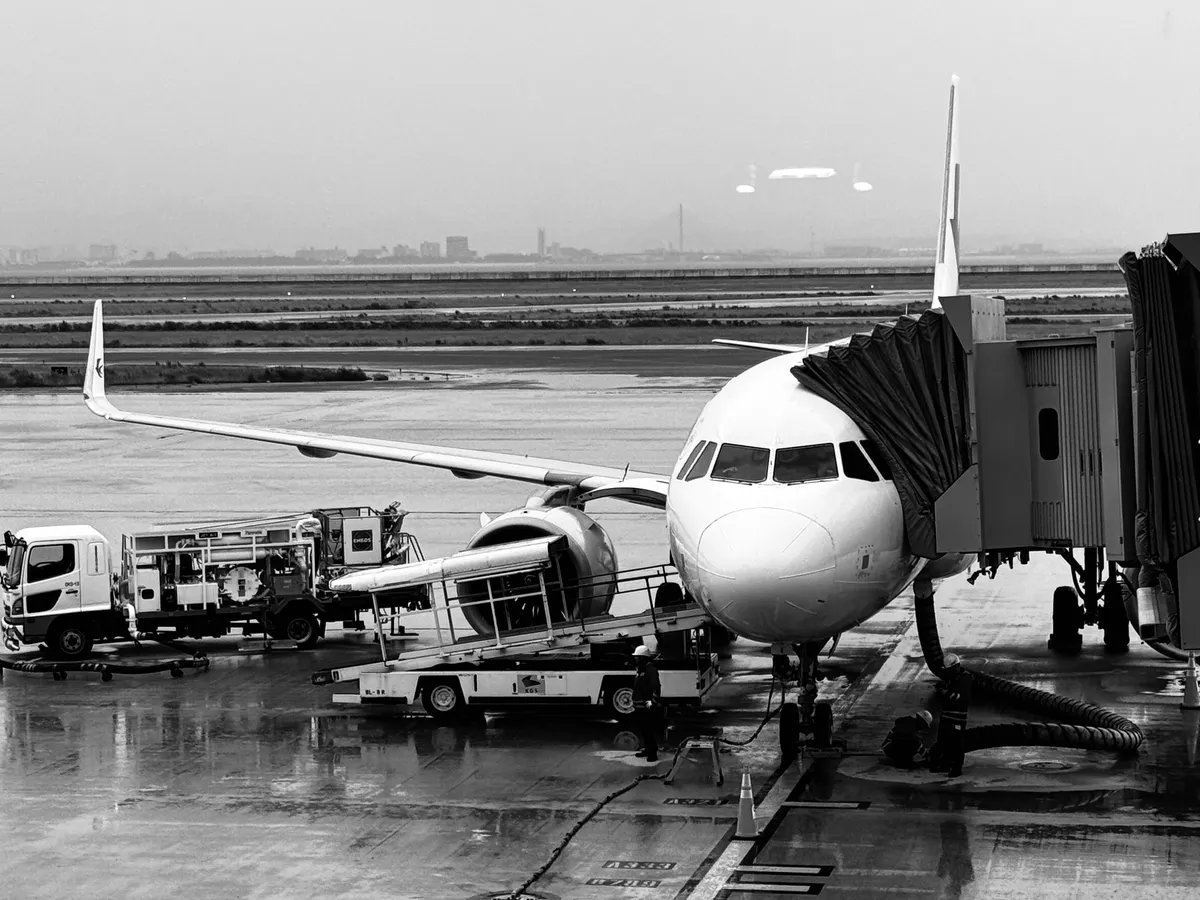

Southwest Airlines became the focus of a growing debate over immigration enforcement inside U.S. airports after a gate agent at Dallas Love Field blocked an ICE agent from boarding a flight on 25 July, demanding a judicial warrant before granting access to the aircraft. The Southwest Airlines ICE warrant confrontation, first reported by The Wall Street Journal, is one of roughly a half-dozen similar incidents involving the carrier in recent weeks, according to an unnamed source cited by the Journal.
What happened at Dallas Love Field on 25 July
The incident centred on an attempt by a U.S. Immigration and Customs Enforcement agent to board a Southwest flight departing Dallas for Orlando in order to make an arrest. A gate agent reportedly refused access without a judicial warrant signed by a judge. Southwest employees also declined to provide ICE with passenger information or allow agents to view a computer screen displaying passenger details as travellers boarded.
The ICE agent reportedly held an administrative warrant, a document signed by an ICE supervisor rather than an independent judge. The distinction matters operationally: an administrative warrant is generated within the immigration enforcement system, whereas a judicial warrant requires sign-off from the courts. Southwest’s stated policy requires law enforcement to present appropriate legal documentation before the airline shares any customer information.
Southwest declined to confirm or deny the specific Dallas incident. In a statement provided to TheTravel, the airline said: ‘Southwest is committed to providing a safe travel experience for all Customers and Employees. The airline adheres to applicable state and federal law when interacting with law enforcement agencies. Southwest has longstanding policies in place to ensure appropriate legal documentation is presented by law enforcement personnel before any information about Customers is shared.’
Southwest Airlines ICE warrant dispute part of a wider pattern
The Dallas confrontation does not appear to stand alone. The Journal also reported that an unnamed airline at a Southern airport recently refused to help ICE agents access a jet bridge to arrest a man travelling with his family. The man and his family did not ultimately board the flight. Other encounters have ended differently: ICE agents made arrests in San Francisco and attempted one in Las Vegas, where the Department of Homeland Security later said officers ‘did not proceed with the arrest at the Las Vegas airport’ owing to ‘officer safety’ concerns, instead detaining the passenger the following day after he departed from Los Angeles International Airport.
The increase in airport-level enforcement follows a new information-sharing arrangement between ICE and the Transportation Security Administration, under which TSA has been providing ICE with passenger flight information ahead of travel.
Airlines for America (A4A), the trade group representing major U.S. carriers, confirmed that its member companies have been in contact with both ICE and TSA over how enforcement activity should be handled. A4A said its members ‘have had constructive discussions with ICE and TSA to ensure if law enforcement activity occurs at an airport, there are proper procedures and protocols in place to prioritise the safety and security of all involved.’
The trade body’s position reflects the industry’s core concern: not whether arrests should happen at airports, but how they are conducted and what access agents should have to airline-controlled areas and passenger data. Crowded gate areas, jet bridges and boarding screens present particular complications for frontline staff trying to balance legal obligations, operational control and passenger safety.
A Department of Homeland Security spokesperson defended the enforcement posture, telling NewsNation that the administration had reversed what it described as a previous policy allowing people in the country illegally to travel domestically. The spokesperson added: ‘This administration is working diligently to ensure that aliens in our country illegally can no longer fly unless it is out of our country to self-deport.’
A4A’s ongoing discussions with ICE and TSA are the clearest indicator of where this heads next: carriers want defined procedures before enforcement activity escalates further at the gate.
