
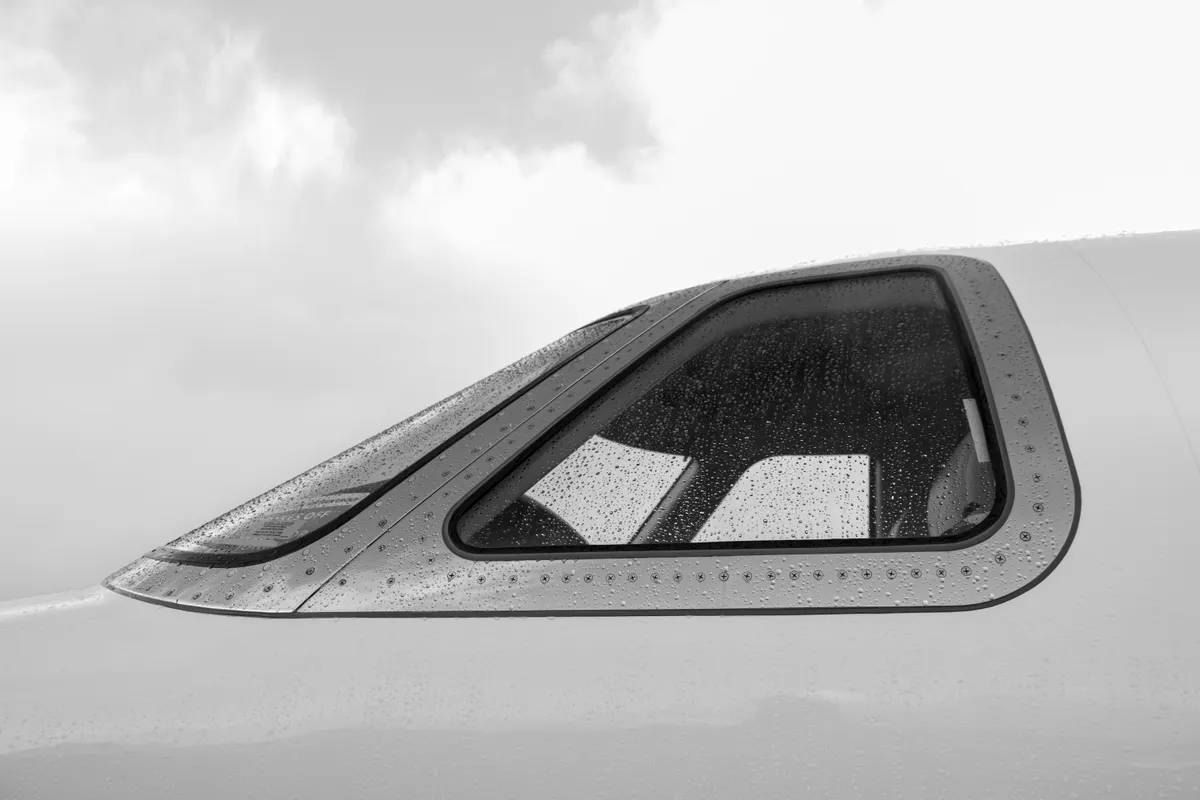

United Airlines must defend itself against the United Airlines windowless seat lawsuit after U.S. District Judge James Donato in San Francisco ruled on 6 July that the case could proceed, dealing a setback to the carrier’s argument that federal law shields it from the claims. The ruling keeps alive a proposed class action that alleges passengers paid for window seats and received seats beside a blank cabin wall instead.
According to USA Today, the proposed class action was filed in August 2025 in the U.S. District Court for the Northern District of California. Judge Donato’s ruling means United’s defence, including its attempt to invoke federal preemption provisions, did not clear the bar needed to kill the case at this stage.
United Airlines Windowless Seat Lawsuit: What the Court Found
United had argued that the Airline Deregulation Act of 1978 bars state-law claims related to an airline’s prices, routes, or services. The court rejected that framing, finding that the plaintiffs’ claims concern the airline’s own promises to customers rather than any state regulation imposed on the carrier. The court did note, however, that United’s argument over what the term ‘window’ seat actually entails may be revisited later in the proceedings.
Judge Donato found that United’s ticketing terms, boarding passes, and reservation screens all state that the airline would provide window seats to passengers who paid for them. ‘No more is needed at this stage for the breach claims to go forward,’ the judge said. The complaints cover seating arrangements on the Boeing 737, Boeing 757, and Airbus A321 aircraft. United declined to comment on the lawsuit.
Structural Reason Behind the Missing Windows
The absence of windows in certain rows is a known engineering feature, not a random anomaly. John Melvin, described in a 2019 press release as Alaska Airlines’ director of fleet engineering, explained the structural cause. ‘That’s the spot where Boeing places the air conditioning riser ducts from the belly, where the air conditioners are located, to the cabin ceiling, where the air distribution ducts are at,’ Melvin said. ‘The vertical ducts are located behind the passenger compartment sidewall panels and they prevent the installation of a window in one row on the left side. This is standard on all Boeing 737 aircraft, not just ours.’
On the Boeing 737 and the Airbus A321 family, seats 10A, 11A, and 12A are among those known to be windowless. An August 2025 post on Reddit highlighted a change United had made to its app and website, showing ‘No Window’ marked against seat 11A on a flight from Newark Liberty International Airport to Minneapolis-Saint Paul International Airport.
United confirmed the update in a statement. ‘As part of our regular review of united.com and the United App to enhance the customer experience, in 2025 we added more detail to our seat selection process, so customers can have more information about what to expect when they choose a seat,’ the airline said. The carrier did not comment on the lawsuit itself.
Passengers had flagged the problem long before the case was filed. One traveller shared a post on X in 2017 stating he had paid $75 extra for a window seat that turned out to be against a blank wall. Another United passenger reported paying $40 extra for a seat in the same position.
Delta and Other Carriers Facing Similar Pressure
Delta Air Lines faces a parallel complaint filed in Brooklyn, where its motion to dismiss is still pending. Delta did not respond to a request for comment ahead of publication of the original story.
Other carriers have encountered the same criticism. An American Airlines passenger called out the Fort Worth, Texas-based carrier in a post on X, saying she used points to upgrade to a window seat that turned out to have no window. American responded that seat assignments are not guaranteed and that a refund would not be available owing to wiring behind the panel. Southwest Airlines also added notices to affected seats following similar complaints after moving to assigned seating, which came into effect on 27 January 2026.
With Judge Donato’s ruling now on record, United’s next step is to mount a formal defence in the Northern District of California, where the case will continue to develop.
