
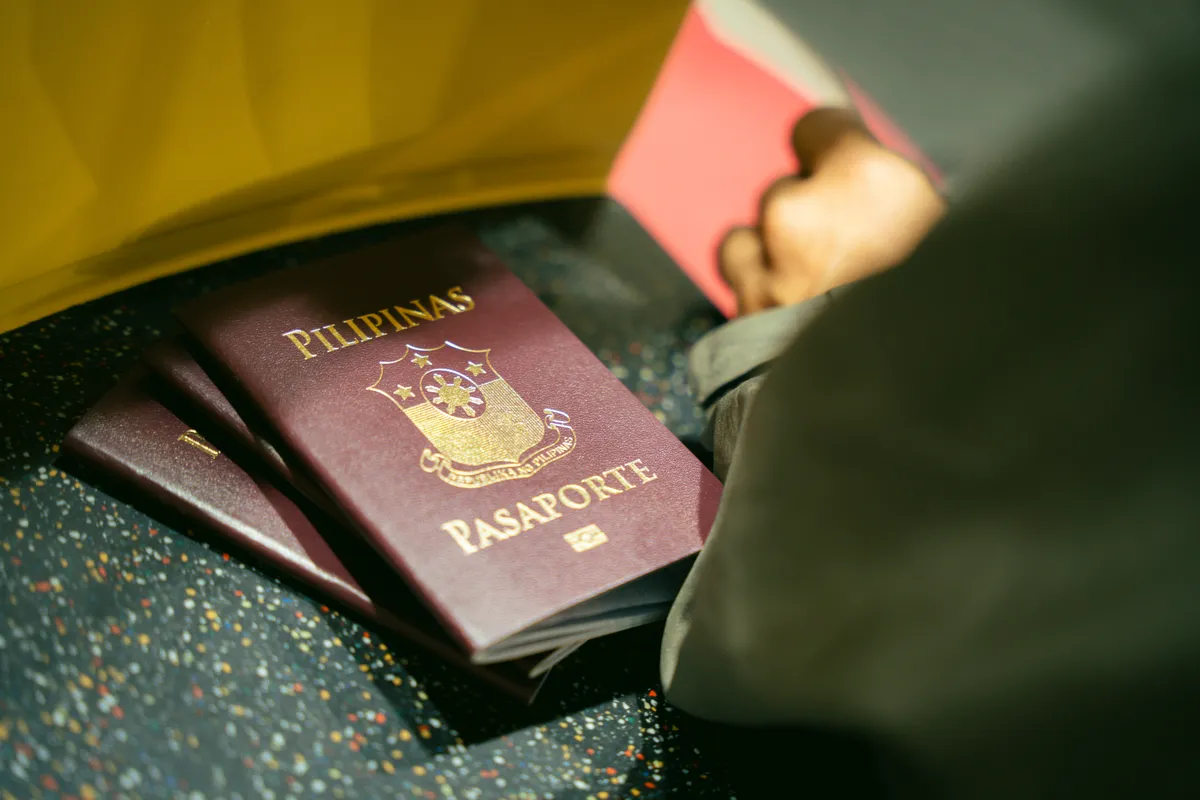

The US Department of State is advising American travellers to prepare for the ETIAS travel authorisation launch, with the European Travel Information and Authorization System expected to go live in the final quarter of 2026, requiring visa-exempt nationals, including US citizens, to obtain pre-approval before visiting 30 Schengen Area countries.
The system has been a long time coming. The ACIS Educational Tours blog notes that the European Union voted to establish ETIAS on 5 September 2018, with the intention of more carefully regulating the external borders of the Schengen Area, as well as Bulgaria, Cyprus and Romania. What was conceived in 2018 as a relatively swift modernisation of border management has since become one of the more drawn-out roll-outs in recent EU policy history.
The scale of that delay is considerable. According to the Global Immigration Blog, ETIAS was initially expected to be operational in 2022 before being pushed back repeatedly. The current target of the last quarter of 2026 represents a delay of roughly four years from the original schedule.
What the ETIAS Travel Authorisation Launch Means for US Travellers
For US citizens and travel professionals advising them, the core message from the US Department of State is clear: a valid passport alone will no longer be sufficient to board a flight to Europe once the system is active. ETIAS is not a visa. It is a digital pre-travel authorisation, similar in concept to the US Electronic System for Travel Authorization (ESTA), that allows European authorities to run security checks before a traveller reaches the border.
The European Commission’s own website frames the purpose plainly: ‘The ETIAS would screen travellers prior [to] their arrival to Europe and would prevent individuals who pose a security threat from entering the EU, thereby reducing the likelihood of security incidents involving EU citizens.’
Critically, an approved ETIAS does not guarantee entry. Border officers at Schengen Area ports of entry retain final discretion and may request proof of accommodation, evidence of sufficient funds, or a clear account of the purpose of a visit. Travellers who cannot satisfy those requirements on the day can still be refused, regardless of their pre-travel authorisation status. That distinction has practical implications for how agents and operators communicate the new requirements to clients.
Application Process, Fees and Exemptions
Once the system opens, applications will be accepted online or via a mobile app. Travellers will need a valid passport, basic personal details, travel information, security and health declarations, and a payment method. The standard fee is €20, though travellers under 18 and over 70 are exempt. The EU states that fees collected will support the operation and maintenance of the system.
Most standard applications are expected to be processed within minutes. However, applications that require additional database screening can take up to 96 hours, those needing further documentation up to 14 days, and cases requiring an interview up to 30 days. Given that timeline, the EU recommends applying before booking travel rather than after.
An approved authorisation is valid for three years or until the passport used to apply expires, whichever comes first. Travellers who renew their passports will need to reapply using the updated document. Within the validity period, the same authorisation covers multiple trips, with a standard allowance of up to 90 days within any 180-day period across the Schengen Area without a conventional visa.
The requirement extends well beyond US citizens. Nationals of all 59 countries with visa-free access to the EU, including Canada, Mexico, Japan and South Korea, will need an ETIAS once the system goes live. Dual nationals holding an EU passport are typically exempt if they enter on that document, as are diplomatic passport holders, NATO personnel travelling on official duty, and refugees or stateless persons residing in ETIAS-required countries with appropriate travel documentation.
In April, the EU also deployed its Entry/Exit System (EES) across the Schengen Area, replacing physical passport stamps with digital entry and exit records. ETIAS sits alongside EES as part of a broader overhaul of how the bloc manages its external borders, and both systems will affect the same pool of visa-exempt travellers. With the ETIAS travel authorisation launch now targeted for Q4 2026, agents handling transatlantic and long-haul European itineraries have limited time to update client communications and pre-departure documentation checklists before the requirement becomes live.
