

The airline is defined by its aircraft. These days, software is playing that role more and more. The range of their aircraft used to be a source of pride for airlines. These days, they promote invisible technology that moves more quickly than turbulence, data-driven dependability, and personalized experiences.
These days, executives view data as the center of their operations. While fleet strategy may still be important, cloud-based logistics, artificial intelligence, and predictive analytics are driving profitability. The change is happening everywhere, remarkably quickly, but it is less dramatic than intentional, less theatrical than revolutionary.
| Feature Area | Strategic Focus |
|---|---|
| Artificial Intelligence | Predictive maintenance, dynamic pricing, disruption forecasting |
| Biometrics | Streamlined airport identity checks and faster boarding |
| Cabin Personalization | Tiered seating, digital service enhancements, bundled upgrades |
| Cloud Systems & IoT | Real-time data syncing across fleet and operations |
| Sustainability Tech | Fuel savings, lighter avionics, hybrid aircraft testing |
| Lounge Modernization | Enhanced loyalty-driven services and premium spaces |
| Operational Automation | Gate reassignments, crew scheduling, resource optimization |
| Reference | Forbes – Aviation Technology Trends |
In airline operations, artificial intelligence has emerged as the most reliable copilot. Airlines can reroute problems before they cause chaos by incorporating crew logs, weather forecasts, and airport congestion data into predictive systems. This has saved millions of dollars in compensation claims and drastically decreased cancellations.
AI is gradually changing the travel experience for passengers. Intelligent assistants are now used by airline apps to handle reservations, send out upgrade offers, and make itinerary recommendations based on user loyalty. This is customized persuasion, not just automation, and it works especially well in frequent flyer programs.
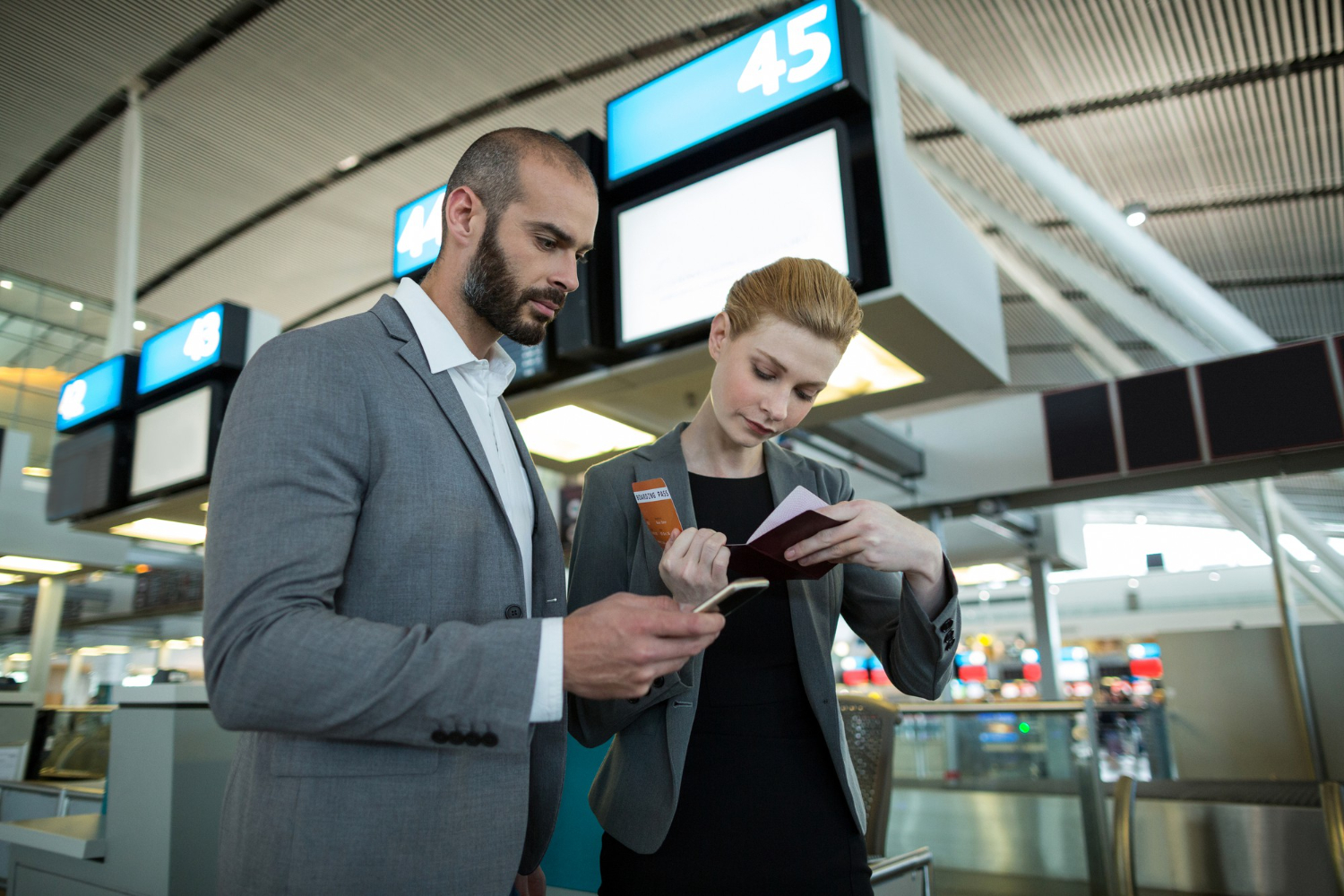
Boarding is no longer a paper chase but rather a silent nod thanks to biometric screening. Three steps at the gate are now replaced by a quick look at a camera. Congestion has been effectively reduced by this strategy, particularly during periods of high international traffic.
Biometric tools are incredibly flexible and allow employees to handle complex needs instead of scanning barcodes. There is a trade-off, though. Many tourists question whether giving up facial data is worth the convenience, particularly in light of the ambiguity surrounding its long-term use.
Predictive maintenance has taken the place of reactive repairs by utilizing sensor data and cloud analytics. Part wear is communicated to technicians before it causes a delay. This has significantly increased fleet dependability, especially for older aircraft that are still in service because of supply chain bottlenecks.
In the meantime, tiered micro-environments are replacing standard class models in cabin design. High-end seats come with digital concierge services, fine dining, and private suites. These luxury features are targeted revenue centers intended to turn loyalty into lifetime value, not new ideas.
More options are being made available to economy passengers, including streaming packages, prepaid meals, and seat preferences. Surprisingly inexpensive on their own, these micro-upgrades have subtly grown to be a significant source of profit.
These days, lounges are more than just peaceful spots with stale coffee. They are branded havens with fresh food, showers, and even areas for naps. Many travelers voluntarily come hours early just to hang out because airlines have transformed these areas into immersive loyalty experiences.
Upgrades to sustainability are more than just publicity stunts. Lighter materials reduce emissions, electric cars now tow aircraft, and new flight planning software reduces routes. When multiplied over thousands of flights per day, these efforts are especially advantageous.
Airports have also become more intelligent in recent years. Airport officials are working with startups to implement resource allocation platforms that use real-time flow data to reroute foot traffic or modify security personnel. This lessens congestion and maintains smooth operations even in the face of interruptions.
The technological revolution isn’t without its challenges, though. Some airlines discovered the hard way that implementing slick digital technologies does not absolve them of providing the necessities, such as punctual flights, spotless cabins, and human assistance in the event of an emergency.
The real obstacle is integration. Systems need to communicate with each other fluently, not just coexist. Retraining employees, managing cybersecurity risks, and sharing data across silos all call for cultural change in addition to financial resources.
But there aren’t many options for the industry. Analog systems are unable to provide the agility needed to handle unpredictable weather, fluctuating fuel prices, and rising passenger expectations. Airlines are future-proofing against all types of turbulence by using technology as the nervous system of air travel.
In the years to come, the top airlines will not necessarily have the newest aircraft, but rather the most intelligent backend systems that link people, choices, and services as smoothly as a flawlessly planned takeoff.
Not only are they improving travel, but they are also reengineering trust, one flight at a time.
