
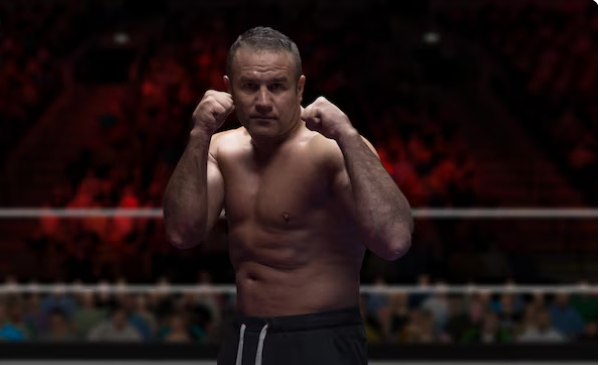

A particular type of wealth is hidden under gaudy headlines. It develops covertly, behind handshake agreements made long before the cameras are there, behind gym doors that smell of perspiration and disinfectant. It appears that Tiki Ghosn’s wealth falls under that group.
Although opinions about Tiki Ghosn’s net worth differ, it is generally accepted to be in the multimillion dollar range and is primarily based on his post-fight profits rather than his fight purse earnings.
Important Information
| Category | Details |
|---|---|
| Real Name | Khalil Ghosn |
| Known As | Tiki Ghosn |
| Born | February 9, 1977 |
| Birthplace | Huntington Beach, California, USA |
| Profession | Former MMA Fighter, Manager, Entrepreneur |
| Fighting Division | Welterweight |
| Active Years (Fighter) | 1998–2009 |
| Business | Founder & CEO, Huntington Beach Ultimate Training Center |
| Agency | Arsenal Sports Agency |
| Notable Clients | Michael Bisping, Quinton Jackson, Dustin Poirier |
| Reference |
Born Khalil Ghosn in Huntington Beach, California, Ghosn was never the most well-known figure in mixed martial arts. From 1998 to 2009, he competed for organizations such as the UFC, Strikeforce, and King of the Cage. At UFC 40, he was knocked out in less than 90 seconds by future champion Robbie Lawler, which became his most notorious moment. It was cruel. Fast. unforgiving.
However, it’s probable that his career wasn’t defined by that bout. Because Ghosn changed course after losing, unlike some boxers. strategically and early.
He established the Huntington Beach Ultimate Training Center in 2001, long before mixed martial arts (MMA) became a major global corporate force. It was merely a gym on paper. In actuality, it developed into much more—a gathering place for combatants who would go on to dominate cards, take home titles, and fetch seven-figure sums of money.
Making money as an athlete and accumulating wealth as a company owner are two different things. Ghosn seems to have realized that early on.
Alongside Rob McCullough and Tito Ortiz, he came to be strongly identified with Team Punishment. He later oversaw boxers like Quinton “Rampage” Jackson and Michael Bisping. MMA management isn’t glamorous. Contract negotiations, sponsorship agreements, and even heated discussions with promoters are all part of it.
Whether Ghosn intended this course from the start is still unknown. However, taking over as manager put him in a distinct position within the ecosystem of the sport.
Ghosn currently represents well-known players including Dustin Poirier, Aljamain Sterling, and Chael Sonnen through Arsenal Sports Agency. These sportsmen are the highest paid competitors in the UFC. Management commissions increase in tandem with the growth of their contracts.
As MMA has grown over the last 20 years, from specialized pay-per-view competitions to multibillion-dollar corporate acquisitions, it seems that those who established the necessary infrastructure first stood to gain the most. That time is probably reflected in Ghosn’s riches.
His financial tale is still physically anchored by the Huntington Beach gym. Inside, you’ll see novice boxers trying to make their debut, coaches yelling directions, and heavy bags swaying. It’s hardly a luxurious setting. It works. deliberate. The grind is practically ingrained in the walls.
Ghosn’s method has a very traditional feel to it. Dana White reportedly handled Ghosn prior to his appointment as UFC president. Although it is sometimes disregarded, that fact demonstrates how interconnected the early MMA community was. Relationships were established and maintained.
Managers are essential in today’s environment, where fighters publicly discuss wage scales and revenue distributions. It takes more than just guts to negotiate sponsorship terms, performance bonuses, and television deals—it takes business fluency.
Investors in the MMA industry frequently concentrate on riches at the promotion level. However, the actual buildup can be taking place at training facilities and agencies. sources of quiet income. long-term agreements. equity in expanding brands. It’s difficult to overlook Ghosn’s shift from taking hits to planning careers. In many respects, such change characterizes his financial trajectory.
Sometimes, the public’s obsession with “net worth” reduces complicated professions to a single figure. However, the figure probably only provides a portion of the picture in Ghosn’s instance. Perhaps the subject of sustainability is more intriguing. Earnings for fighters are erratic. On the other hand, management commissions accumulate over time.
It seems that years of positioning, mentorship, and backroom haggling have contributed to his wealth rather than a single big payout.
Since Ghosn entered a cage for the first time in the late 1990s, mixed martial arts has undergone significant development. Deals for television increased. Revenue was transformed by streaming. The world’s markets opened. Those that adhered to the fundamentals of the sport and changed with it frequently discovered new avenues for success.
