

Sports travel insurance policies surged 182% between 2023 and 2025, according to data released this week by SportsCover Direct. The figures point to a dramatic shift in how British holidaymakers choose to spend their time off.
Instead of typical resort holidays, many travellers are now taking on physically demanding challenges such as Himalayan summit climbs, marathon races through historic cities like Prague, and multi day treks across Patagonia’s glaciers. Sports travel insurance data, which often reflects real behaviour more accurately than surveys, shows trekking and mountaineering policies rising by 69 percent year on year, while marathon running cover increased by 56 percent as more travellers purchase sports travel insurance for adventure based trips.
Sailing came third at 54% growth, followed by hiking at 44%. Even archaeological digging, ranked tenth, saw a 26% uptick in travellers purchasing specialist cover before departure.
The numbers align with broader industry signals. Pinterest flagged ‘darecations’—a portmanteau of ‘dare’ and ‘vacation’—as a defining trend for 2026, noting searches for ‘adventure tourism’ jumped 75%. Sports tourism now accounts for roughly 10% of global tourist spending, with analysts projecting 17.5% growth through 2030.
Veronika Primm, a travel writer and expert at Lonely Planet, attributes the shift to something deeper than wanderlust.
“In my opinion, people seek adventurous experiences to ‘feel more’ on their travels. If your heart pumps with adrenaline or you feel a genuine connection to nature, you’re going to remember that experience for a lifetime,” she explained.
“The pandemic years played a role too, leaving people hungry for experiences that make them feel fully alive and present. And with the cost of travel rising, it simply makes more sense to invest in something truly memorable rather than a pure change of scenery.”
Sophie Barker from Leeds embodies that philosophy. She and her partner deliberately avoid what she calls “stereotypical holidays.”
“Me and my partner often choose to go on your non-stereotypical holiday. As much as lying in the sun, catching a tan with an Aperol Spritz in hand sounds appealing, we’re both the kind to be bored after a couple of days of doing that on repeat. So now we always choose a holiday that’s a little more adventure packed – from hiking to skiing,” Barker said.
The mental health dimension matters, she insisted. “We find that holidays like this do our mental health the world of good over sitting about for a week – and it’s not that there’s anything wrong with doing that, we just personally find that our minds feel more relaxed after being out in nature and keeping busy.”
“For us, whether it be skiing, hiking or wild swimming, we find nature and outdoor activities shut our brains off and stop them wandering back to the normal stressors of life more so than chilling on a sun lounger in the sun. It’s just what works for us!”
That sentiment appears increasingly common. Endurance events dominate the fastest-growing categories, with Ironman policies up 36% and duathlon cover climbing 34%. Cricket-focused travel increased 33%, whilst safari bookings rose 28%.
For those planning their first ‘darecation’, Primm offered destination guidance tailored to each activity.
“For trekking and mountaineering, there’s no better place on this earth than the Himalayas – there are many beautiful mountains in the world, but nothing beats seeing the Himalayas with your own eyes,” she said.
Marathon runners should consider Prague, Primm suggested. “In my opinion, Prague is great for experiencing a special half or full marathon in a beautiful Old Town setting. For the especially tough, it would be iconic to experience Ironman in Australia – specifically the legendary race in Port Macquarie, New South Wales.”
Water-based adventures call for different terrain. “For anyone after a sailing holiday, Croatia offers not just stunning coastline and pristine waters, but also a well-developed sailing infrastructure. Whereas, white water rafting is excellent in Norway – e.g. on the Sjoa River!”
Hiking presents almost limitless options, Primm acknowledged. “It’s hard to suggest just a few places for hiking adventures – from my recent travels, I’d recommend the absolutely stunning Patagonia: both Torres del Paine National Park in Chile and Los Glaciares National Park in Argentina.”
“In Europe, you cannot go wrong with the Pyrenees, a serene mountain range on the border of Spain and France, and, of course, the Alps spanning several countries including Switzerland, Austria, France, and Italy.”
Great Britain remains a hub for duathlon events, whilst Sri Lanka attracts cricket-focused travellers. For safari experiences, Africa dominates.
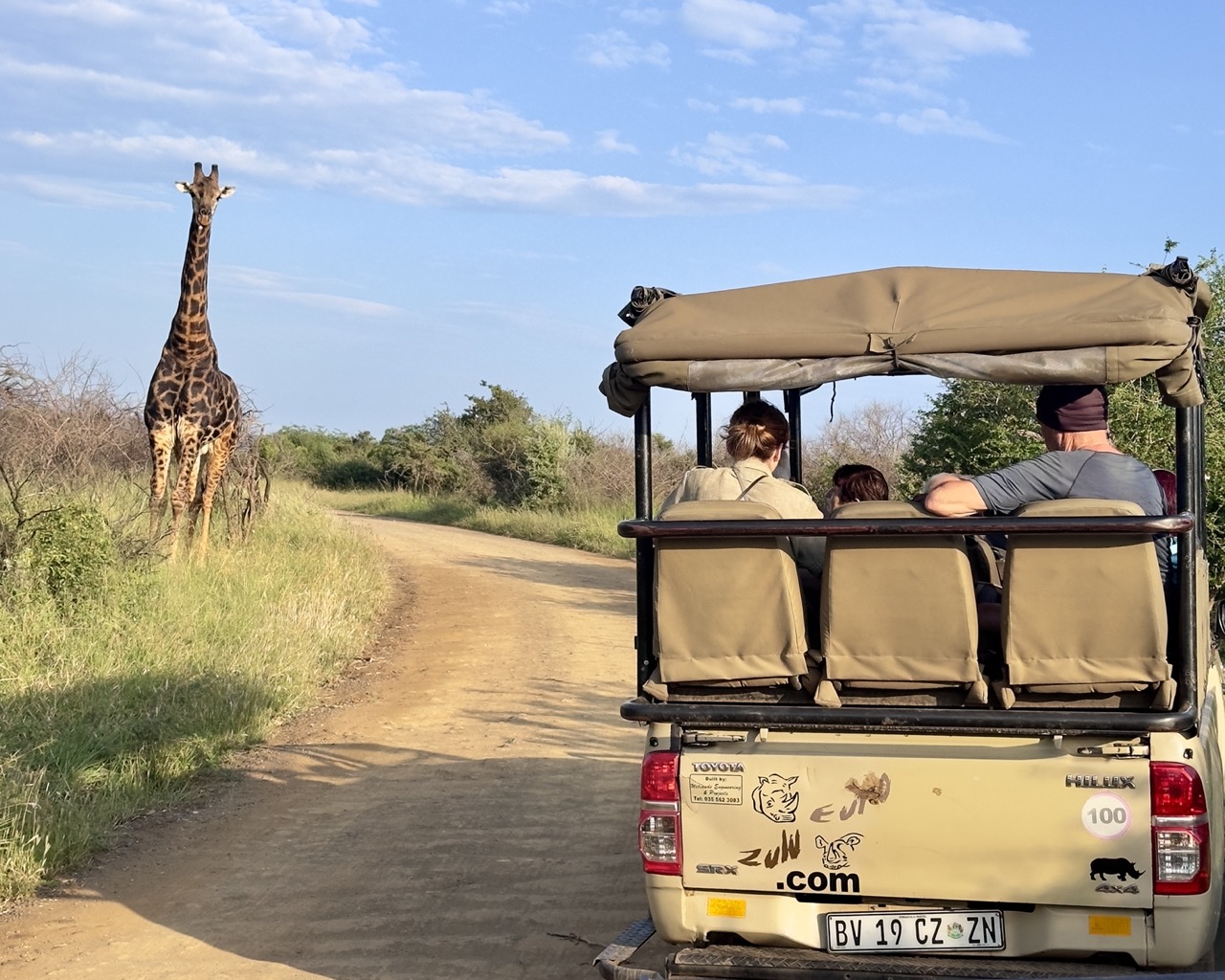
“Safari is simply best experienced in Africa. I can highly recommend South Africa, especially more intimate national parks such as Hluhluwe-iMfolozi. Uganda is also amazing, and is one of a few places where you can easily see gorillas and chimpanzees in the wild up close,” Primm noted.
Archaeology enthusiasts should head to Greece, particularly the Peloponnese peninsula, where excavation sites offer hands-on opportunities.
Whilst high-adrenaline pursuits drive growth, traditional adventure staples haven’t disappeared. Cycling, climbing and hiking remain the three most popular adventure activities overall when measured by total policy volume rather than year-on-year increases.
Chris Trotman, underwriting manager at SportsCover Direct, cautioned that the shift demands more careful preparation than beach holidays.
“We’re seeing a clear rise in travellers building entire trips around experiences that push them physically or mentally, whether its endurance challenges such as marathon running or embracing nature with a safari trip. That shift is incredibly exciting and it’s great to see the traditional model of a holiday diversifying, however it does also mean that people need to plan a little differently,” Trotman said.
“It’s important to understand the risks associated with each activity, ensuring you have the right equipment and choosing specialist travel insurance to match your specific sport. Whether you’re attempting your first marathon away from home or embarking on a multi-day trek, the right preparation means you can focus on the adventure itself with confidence and peace of mind.”
The insurance provider, founded in 1991, began by covering paragliding trips abroad. Three decades later, the company processes tens of thousands of Sports travel insurance policies annually—a trajectory mirroring the adventure travel sector’s broader expansion.
Whether the ‘fly and flop’ model disappears entirely remains uncertain. But the data suggests a fundamental recalibration in what Britons consider restful, memorable, and worth the expense of international travel.
For a growing number, that means swapping sun cream for hiking boots.
