

The narrative begins with a modest wooden shack, a lone working guy, and a section of street in a Yorkshire town that no one outside the area would have especially noticed at the time. This is how many great British culinary stories begin. In 1928, Harry Ramsden opened that hut in Guiseley, West Yorkshire, with the straightforward idea that fish and chips prepared correctly—with golden batter, hand-cut chips, fluffy potatoes within, and beef dripping in the fryer—were worthwhile.
In a manner that few restaurant businesses ever accomplish, that idea has been deeply ingrained in British culture over a century later. The hut has long since vanished. The name has expanded, contracted, been sold, reorganized, and rebuilt several times. Somehow, the original concept has persisted.
| Harry Ramsden’s — Key Information | Details |
|---|---|
| Founder | Harry Ramsden |
| Established | 1928 |
| Origin Location | Guiseley, West Yorkshire |
| Original Premises | A humble wooden hut |
| Famous Event | “The Big Fry,” 1952 |
| World Record at the Time | 10,000+ portions served in a single day |
| Cultural Trademark | Sooty and Sweep entertainment for children |
| Cuisine | Classic British fish and chips |
| London Branch | Eversholt St, Euston Station Food Court, NW1 2AE |
| Phone (London) | +44 20 7383 3167 |
| Frying Style | Hand-cut chips, golden battered fish |
| Sourcing Approach | Sustainably sourced fish |
| Reference Resource | VisitBritain |
| Heritage Tradition | British seaside dining culture |
| Industry Context | National Federation of Fish Friers |
For good cause, the 1952 incident is still mentioned in brand publicity. Harry organized what he named “The Big Fry” to celebrate the restaurant’s 21st birthday. More than 10,000 servings of fish and chips were served in a single day, setting a world record at the time, and thousands flocked to the original Yorkshire location for music and entertainment.
That particular day accomplished something. Harry Ramsden’s was no longer classified as a “successful local restaurant” but rather as a “national institution.” It was reported in newspapers. They took pictures. The tale was passed down through generations in a way that permanently cemented a tiny business in the collective consciousness.
The Big Fry brand spread throughout Britain in the decades that followed, though not necessarily in a tidy manner. Harry Ramsden’s evolved into a chain, a struggling business, and finally a reorganized chain. Eventually, the Guiseley flagship shut down. Seaside town locations came and went. The brand has been acquired and sold by a number of owners, including times when it was part of the Boparan Restaurant Group.
The operational definition of “Harry Ramsden’s” has changed slightly with each ownership cycle. One of those concerns that depends on who you ask is whether that volatility harmed the core brand or just represented the larger constraints on British casual dining. Consumers who recall the Yorkshire original typically had a single opinion. Consumers who are just familiar with the station outlets and airport feel differently.
Although the brand’s present era has shrunk, it has remained prominent. The site at London’s Food Court at Euston Station, Eversholt Street, NW1 2AE, encapsulates a particular aspect of Harry Ramsden’s new home. The modern habitat includes seaside resort towns, train station food courts, and motorway service stations.
Faster-format restaurants designed for commuters, travelers, and weekend diners seeking a brief taste of the tradition rather than a multi-course evening out have largely supplanted the flagship sit-down restaurants of decades past.
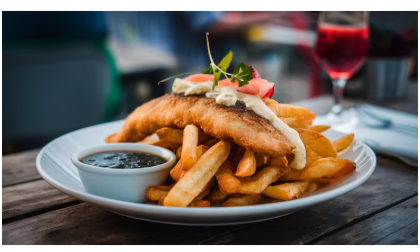
When cooked according to standards, the meal itself continues to perform as it did in 1928. Fish that has been battered and is now responsibly sourced in ways that Harry would never have considered promoting. chips carved by hand. mushy peas. Served from the brand most strongly associated with the dish, this is the type of Friday night meal that British families have been enjoying for generations.
Observing the Harry Ramsden’s line form at midday while strolling through Euston Station on a busy weekday gives one the impression that the brand is fulfilling its original purpose. serving hot, familiar food that can be traced back to a recognizable custom to customers in a hurry.
The next two years will determine whether Harry Ramsden’s centennial in 2028 results in a new renaissance or just marks another quiet milestone. The brand has outlived more self-assured rivals. According to most reports, the fish still arrives fresh.
