

Canadian border crossings at Calais, Maine, are edging back upward after a prolonged slump driven by tariffs and political tensions, with Statistics Canada data showing Canadian residents returned from 1.9 million trips to the United States by car or plane in May 2026, a 9.5% increase on the same month in 2025. The recovery, however, is being led not by leisure tourism but by day-trippers crossing the St. Croix River to buy cheaper fuel and food.
The swing in volumes follows a severe contraction that hit border communities hard. Monthly crossings into Calais dropped by roughly one-third and some retailers recorded sales declines of up to 35% in 2025, according to Maine Public. The scale of that withdrawal was part of a broader national pattern: the International Inbound Travel Association reported that total arrivals to Canada fell 10.9% in 2025, the first annual decline since 2016, while Canadian return trips from the U.S. by car collapsed 30.2% in December alone.
Road Traffic Recovers While Air Routes Continue to Shrink
The May uptick was driven almost entirely by road travel. Air travel moved in the opposite direction, with the number of Canadians returning from the United States by plane falling 5.5% year over year, and many Canadian carriers have already dropped U.S. destinations in favour of other markets. The International Inbound Travel Association also noted that more than 450,000 Canada–U.S. seats were cut in Q1 2026, a 10.1% reduction, underlining how sharply capacity has been pulled from transatlantic and transborder routes.
The modal shift from air to road has a clear commercial logic at the border. A separately released Statistics Canada dataset shows that 65% of automobile trips from the U.S. in April 2026 lasted just one day, a pattern consistent with utilitarian cross-border shopping rather than extended leisure stays. Statistics Canada cautioned that the year-over-year increase partly reflects the unusually depressed baseline recorded last year, so the figures should be read with some care.
Border crossings into Maine increased slightly in March and April compared with the prior year, and the number of Canadians returning home from the U.S. by car rose 15% year over year in May, continuing what Statistics Canada described as a second consecutive month of year-over-year growth in Canadian return trips from the U.S.
Canadian Border Crossings Calais: Why Shoppers Are Making the Trip
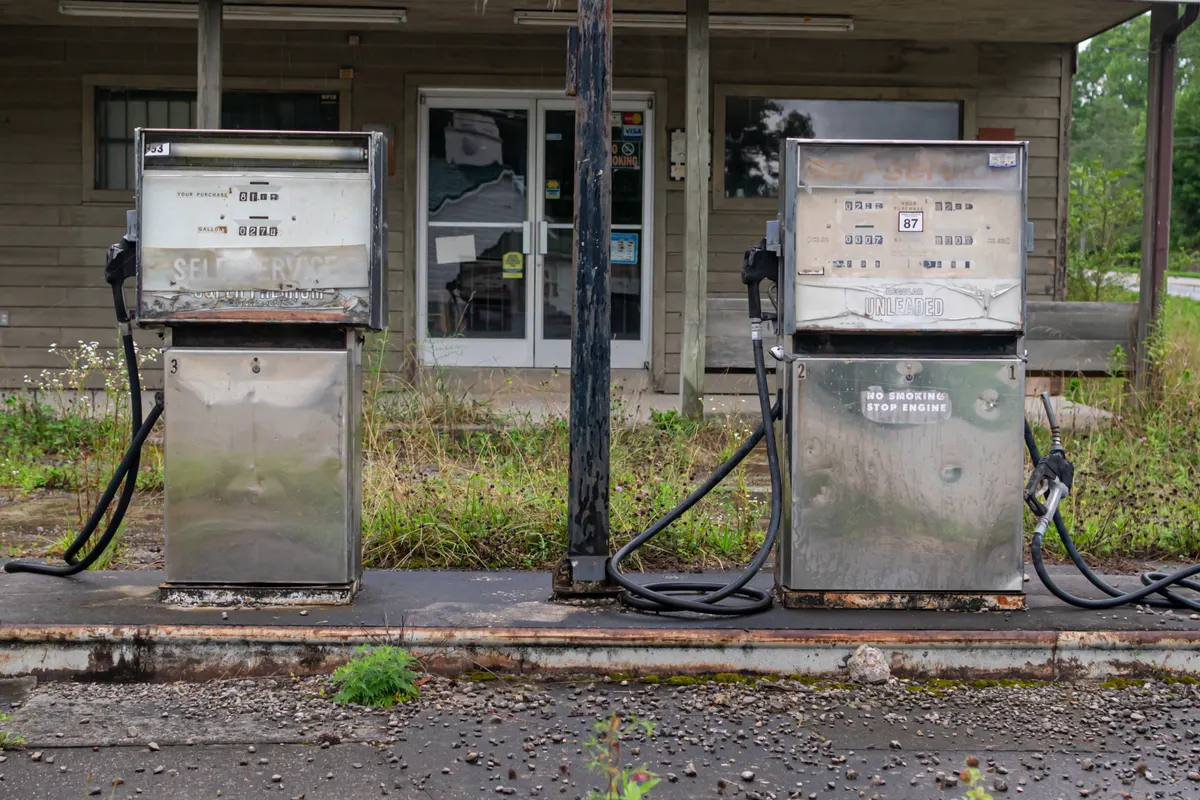
For residents of St. Stephen, New Brunswick, the motive is straightforward. The two cities are connected by the Ferry Point Bridge, with two additional crossings nearby, making a fuel or grocery run a short and familiar journey. Leigha Stewart, a Canadian traveller at a gas station on the U.S. side of the border, told CTV News that filling up in Canada typically costs considerably more. ‘To fill up my car in Canada, it’s about $70. To fill it up over here, it’s about $50. It’s just so much cheaper over here and worth the hassle to me,’ Stewart said.
Grocery savings are also drawing shoppers across. CTV compared boneless chicken thighs priced at around $22 CAD at Calais IGA with a similar package at approximately $38 CAD in Canada, a price gap that makes the short crossing commercially attractive even for a single-item purchase.
Shoppers do face regulatory constraints. Canada offers no personal exemption for trips lasting less than 24 hours, meaning same-day visitors may face taxes or duties on goods brought back. The Canada Border Services Agency advises travellers to check the Automated Import Reference System before crossing with food, plant or animal products, confirm that items are not prohibited, and review the latest restrictions before bringing poultry or bird products from the United States. Even so, many St. Stephen residents consider the savings sufficient to justify the process.
Federal Investment Signals Confidence in Calais’s Recovery
Local and federal authorities are moving to position Calais for a more sustained rebound. The city recently received $590,580 in federal funding to rebuild and extend its Waterfront Walkway, a project that will connect downtown Calais with the Canadian border crossing and include new signage, public art, accessible picnic tables, and a bicycle repair station.
That grant sits within a larger package: Senators Susan Collins and Angus King announced more than $16.2 million in federal funding for 19 organisations working on development projects across the state of Maine. ‘This funding will support critical infrastructure upgrades, workforce development, housing, childcare, transportation access, and forest economy projects across our state. These investments will help communities address local needs, create jobs, and expand economic opportunity for Mainers,’ Collins and King said in a news release.
Statistics Canada is scheduled to release further monthly travel data in the coming weeks, which will give border communities and trade bodies a clearer read on whether the May road-travel recovery holds through the summer months.
