

A term that made no sense to anyone above the age of twenty-two began to circulate on social media at some point in the second half of 2025. “6-7.” Just two figures, typed or yelled with a fervor completely out of proportion to their apparent significance. It was found in the comment areas. In video reactions, that is.
Parents would read through teenagers’ group messages, perplexed. The word originated from a Philadelphia rapper named Skrilla’s song “Doot Doot (6 7),” which went viral and was widely embraced by Generation Alpha while the rest of the internet watched in polite confusion. When they noticed this tendency, the majority of brands shrugged and moved on. When Southwest Airlines saw it, they instantly considered airfare.
| Southwest’s “Trendiest. Sale. Ever.” — Key Details | |
| Promotion Name | “Trendiest. Sale. Ever.” — Southwest Airlines’ viral December 2025 fare promotion anchored around the “6-7” internet meme |
|---|---|
| Fare Price | One-way domestic flights from as low as $67 — the price chosen deliberately to match the “6-7” meme number |
| Meme Origin | The “6-7” trend originates from “Doot Doot (6 7)” by Philadelphia rapper Skrilla — a viral sensation predominantly among Generation Alpha that left many adults baffled |
| Booking Window | Tickets available to purchase December 16–18, 2025 only — a 72-hour flash sale window |
| Valid Travel Dates | Tuesdays and Wednesdays, January 6 – March 4, 2026 (continental U.S. only; some holiday periods excluded) |
| Sale Restrictions & Context | |
| Fare Type | Basic Economy — 21-day advance purchase required; limited seats and travel days available |
| Southwest’s Own Words | Spokesperson told Fox News Digital the company aims to “take our work seriously but not ourselves” — framing the promotion as a deliberate embrace of internet culture |
| Seating Transition | The sale overlapped with Southwest’s historic shift to assigned seating starting January 27, 2026 — ending the airline’s open-seating model that had defined it for decades |
| Strategic Purpose | Designed to drive bookings during a traditionally slower post-holiday travel period while building brand affinity with younger consumers |
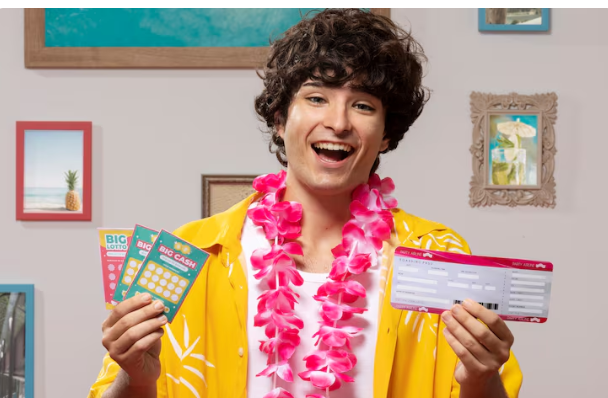
Southwest began offering one-way domestic tickets for as little as $67 in December 2025 as part of what it billed the “Trendiest. Sale. Ever.” The cost was not an accident. The number was the whole purpose. By turning a meme that millions of young people were already yelling at each other online into a ticket price, the airline gave customers an excuse to discuss inexpensive flights using the same cultural vocabulary they were already using for everything else. Depending on your tolerance for this kind of stuff, it was either really brilliant or extremely try-hard, and maybe a little bit of both.
Beyond the price point’s apparent novelty, Southwest’s self-awareness was what kept the promotion going. The company wants to “take our work seriously but not ourselves,” according to a spokesman who explained the offer to Fox News Digital. They also added that they “love sharing a good deal with customers and decided to indulge in the trend.” There’s a lot of labor in that quote. In essence, the airline is saying, “We know this is a little silly, we know you know it’s a little silly, but here’s $67 anyway.” Genuine discount and obvious humility worked well together to create the kind of natural social sharing that no media purchase can consistently produce.
The sale’s actual mechanics were rather conventional. The permissible travel dates were Tuesdays and Wednesdays from early January through early March 2026, which coincided with the slowest weeks of the year for domestic air travel. Tickets had to be purchased within a limited three-day window, December 16 through December 18, 2025.
Basic Economy prices have limited seats and require a 21-day prior purchase. Every airline sale that has ever taken place has this architecture: it is both open enough to generate real demand and constrained enough to safeguard yield control. The $67 tickets were genuine. Not every date, not every route, and not without restrictions. but genuine.
The time seems to have been determined on multiple levels. Because the holiday boom has past, spring break hasn’t arrived, and the weather inhibits leisure travel in a significant portion of the nation, January and February are typically the dead months for American air travel.
Every year, airlines conduct deals around this time to fill seats on Tuesday morning flights between mid-sized cities that would otherwise remain empty. These kinds of sales are regularly conducted by Southwest. This time, it was different because of the wrapper—the name, the meme, the knowing wink at the internet—which turned an ordinary yield management exercise into something that people genuinely discussed and shared.
It’s also important to consider what was going on at Southwest at the same time. The airline had made a truly historic announcement: on January 27, 2026, it would introduce assigned seating for the first time in its history. This would put an end to the open-seating free-for-all that had characterized the Southwest experience for decades and created a whole subculture of boarding strategy,
A-list status obsession, and gate-area anxiety. It’s plausible that the meme sale served as a means of bringing some humor to an important period of institutional transformation. In essence, the brand is saying, “Yes, things are changing, but we’re still the airline that doesn’t take itself too seriously.”
Observing all of this, there is something genuinely intriguing about a legacy airline deciding to interact with millennial culture on its own terms as opposed to distancing itself. Aspirational advertisements are run by Delta. United discusses high-end experiences.
In December, Southwest advertised “6-7” and offered $67 tickets for three days. It was successful in that people made reservations, shared, and discussed it. It’s still unknown if it had a lasting impact on younger travelers or if Generation Alpha would consider Southwest when they begin booking their own flights in a few years. However, the endeavor was at least more truthful than most.
