
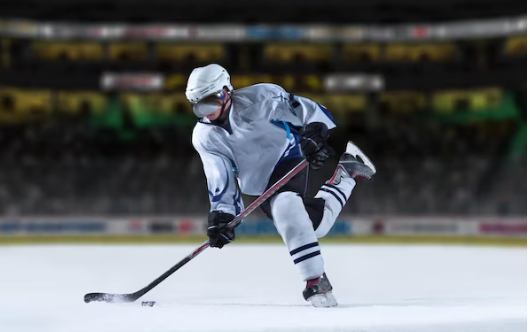

That morning, the practice rink was quieter than anticipated. The skates scratched the ice in a familiar beat as the players circled idly, yet one thing was missing, like an unsolved question. There was no Nathan MacKinnon present. Furthermore, his absence was more significant than the silence itself for a team striving for gold. Fans noticed right away.
This was the first time MacKinnon had missed practice. There was a lot of conjecture, screenshots, and blurry video footage on social media, including one disturbing moment where he seemed to throw up a bright blue liquid. Perhaps it was just an innocuous sports drink having a negative reaction after effort. The image persisted, though. People started asking questions that no one could respond to.
Important Information Table
| Category | Details |
|---|---|
| Full Name | Nathan Raymond MacKinnon |
| Date of Birth | September 1, 1995 |
| Nationality | Canadian |
| Profession | Professional Ice Hockey Player |
| Team | Colorado Avalanche |
| Position | Center |
| NHL Draft | 1st Overall, 2013 |
| International Role | Team Canada |
| Known For | Stanley Cup Champion, Hart Trophy Winner |
| Reference |
There was no official confirmation of a serious disease. Several players, including Sidney Crosby, did not skate, according to Team Canada, which defined the practice as voluntary. Hockey fans, however, are familiar with regularity. They are able to identify patterns. Furthermore, MacKinnon isn’t known for remaining motionless while the ground is frozen. It felt weird because of that.
Hints of unease were evident from watching him play earlier in the competition. Pushing himself through seemingly grueling shifts, he topped the squad in ice time versus Czechia. He once leaned forward on the bench and looked down at the ice while breathing more heavily than normal. It seems that top athletes occasionally attempt to outpace their own bodies.
MacKinnon has established a solid reputation for perseverance. His teammates characterize him as tenacious, the type of player who pursues slight gains after practice long after others have left. It’s still unclear if that mindset, which is so fundamental to his greatness, is also what makes situations like this more precarious. There is no worse time for it.
Expectations and pride in the country were high as Canada prepared for a semifinal matchup with Finland. The lineup wouldn’t just change if MacKinnon were to go, even for a short time. The team’s emotional core would be moved. These things are noticed by opponents.
Finnish skaters did their own drills across the rink, occasionally looking at Canada’s bench. Although they don’t often acknowledge it, hockey players are aware of vulnerability when it manifests. Both teams may suffer if a star is absent. Belief can sometimes be just as important as health.
Something less obvious is also highlighted by MacKinnon’s circumstances. Hockey in the current day has a huge physical cost. The seasons are longer. Speeds rise. Recovery windows becoming smaller. Players carry tiredness that isn’t often evident on injury reports as they transition directly from NHL schedules to international competitions. In that situation, it becomes more difficult to distinguish between fatigue and illness.
On the other hand, fans respond emotionally. online discussion boards teeming with speculation and anxiety. Some said he was all right. Others were afraid of something more serious. Because there was insufficient knowledge, that ambiguity contributed to stress of its own.
Silence stimulates creativity. When stars display frailty, it’s difficult to ignore how they are treated differently. Most athletes miss practice on a regular basis. For MacKinnon, it turns into a national discussion. That’s the cost of being necessary.
Every absence seems more significant. Nevertheless, he has previously played through discomfort. He skated past ailments that would have kept others out of the game during Colorado’s drive for the Stanley Cup. For players such as himself, pain becomes inconspicuous.
It does not, however, vanish. Coworkers in the locker room maintained their composure in public. Because that is what leaders do, they got ready as though MacKinnon would come back. They presume resilience. They anticipate being there. Even optimism, though, has its limits.
Moments like these have a revealing quality. They serve as a reminder that even the most resilient athletes are fallible and susceptible to weariness, illness, and unforeseen setbacks. No amount of skill can completely protect one from that fact.
More than most, MacKinnon’s career has been based on pushing boundaries. This episode has a slight impact whether he plays or not. Where confidence formerly existed, it now adds ambiguity. It makes teammates and supporters face the fact that endurance isn’t limitless.
Hockey, however, has always been a return game. Players step back onto the ice as if nothing had occurred, then vanish for a moment. It’s likely that people will just recall MacKinnon’s absence as a small disruption.
Observing the vacant area he left behind, however, gave the impression that something more significant was at risk.
