

The U.S. Department of State updated its Argentina hantavirus travel advisory on 10 July, moving to reassure travellers that the risk from the Andes virus is ‘extremely low’ for most visitors, while removing the ‘health,’ ‘unrest,’ and ‘crime’ risk indicators from the country’s Level 1 designation.
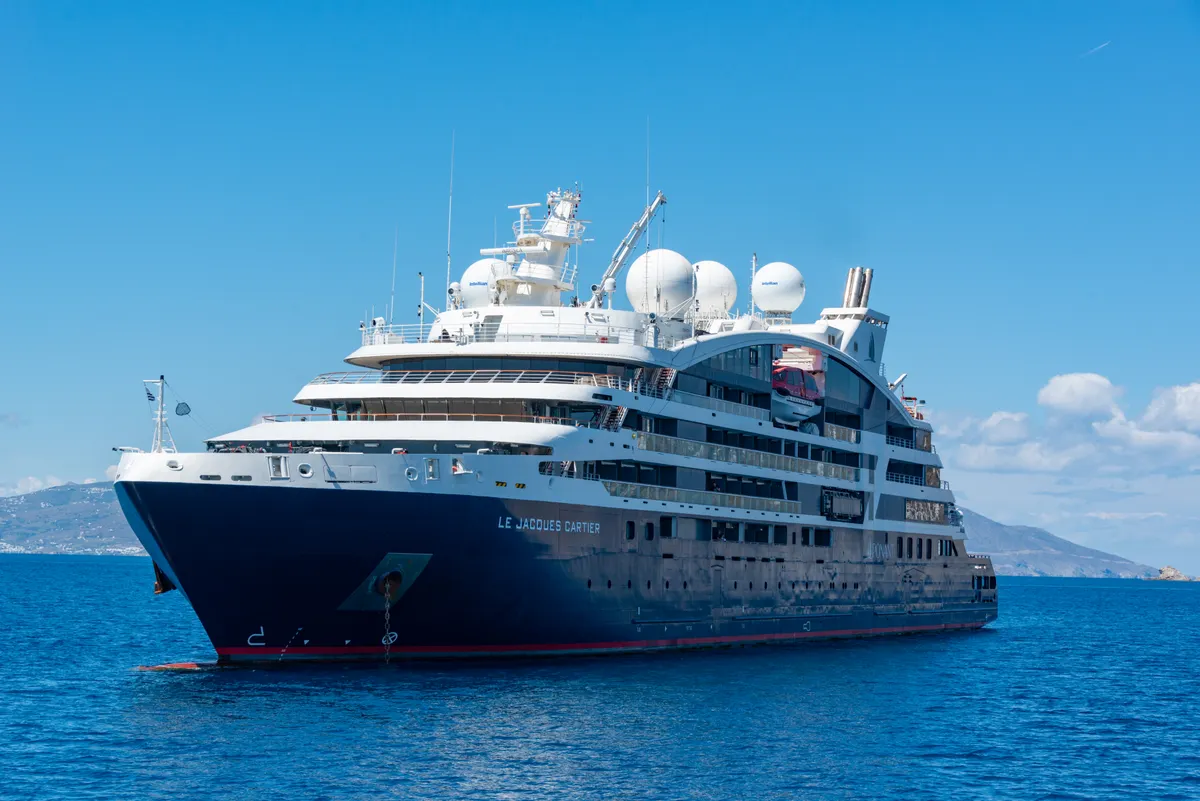
The update arrives several months after the virus killed three passengers aboard the MV Hondius, which had departed Ushuaia, Argentina, on 1 April for a South Atlantic voyage. The World Health Organisation was notified on 2 May, prompting a wave of updated international warnings. The outbreak aboard the vessel was not declared over until 2 July.
Argentina Hantavirus Travel Advisory: What the Outbreak Investigation Found
The MV Hondius cases drew particular scrutiny because of the vessel’s point of departure and the excursions passengers had taken beforehand. According to Il Sole 24 ORE, the main hypothesis for how two passengers (identified as a Dutch couple, both of whom died) contracted the virus centres on an excursion to Ushuaia prior to departure. During that excursion, they may have come into contact with rats carrying the infection at a dump they visited. That hypothesised land-based exposure, rather than transmission aboard the ship itself, has shaped subsequent guidance for travellers transiting through Patagonia’s gateway ports.
The reach of the outbreak extended beyond those initial fatalities. A Swiss passenger tested positive for hantavirus after returning home, according to World Socialist Web Site, underlining that the passenger list carried infection risk across multiple countries before the outbreak was formally contained.
The State Department’s current advisory quotes the U.S. Centres for Disease Control (CDC), which has issued a Level 1 Travellers’ Health Notice for the Andes virus in the region. The CDC’s guidance states that people contract hantavirus through contact with rodents (rats and mice in particular) especially through exposure to urine, droppings, and saliva, or through a bite or scratch, though the latter is described as rare. Symptoms include fatigue, fever, muscle aches, headaches, dizziness, chills, and abdominal problems.
Global Affairs Canada has not yet aligned with the U.S. position. Canada’s travel health advice continues to warn that hantavirus cases in Argentina are ‘higher than expected,’ with elevated concern in parts of Central and Southern Argentina, areas in and around Buenos Aires, and northern Patagonia.
Argentina’s Security Picture and What Level 1 Means in Practice
Beyond the virus, the State Department describes Argentina as ‘generally a safe destination for travellers’ and one of the safer countries in Latin America. Under Level 1 (the lowest advisory tier) U.S. visitors are urged only to ‘exercise normal precautions.’
The previous advisory had singled out Rosario, in Santa Fe province, for a Level 2 designation owing to activity from criminal and drug trafficking groups. That elevated designation has now been removed. During the first half of 2026, Rosario recorded 45 homicides, its lowest figure in 25 years, and a 70% drop from the 149 homicides logged in the same period in 2023. The State Department still flags that active criminal and drug trafficking groups operate in Rosario and have contributed to crime and violence there, but no longer treats the city as a separately elevated risk zone.
Petty crime remains a concern across urban centres. The advisory warns that ‘street crime is a problem’ in Buenos Aires City, Buenos Aires Province, Rosario, and Mendoza. Tourists are advised to remain aware of their surroundings, avoid displaying signs of wealth, and not physically resist any robbery attempt. Taxi scams and criminals using dating apps or websites to target victims are also flagged.
Argentina’s tourism infrastructure draws a separate caution. The State Department describes the sector as ‘not well-regulated,’ citing infrequent safety inspections, unmarked hazardous areas, and gaps in staff certification. Travellers heading into remote regions (whether for hiking in Patagonia, mountaineering, or other outdoor pursuits) are urged to carry comprehensive travel insurance that includes medical evacuation cover, given that first responders may not be able to reach isolated locations promptly.
Argentina recorded approximately 8.7 million international arrivals in 2025, representing a 19.7% decrease from 2024, though the U.S. has remained the country’s leading source of long-haul tourism. Buenos Aires and Patagonia continue to be the primary draws for American visitors, a pattern the updated Level 1 advisory is unlikely to disrupt.
