
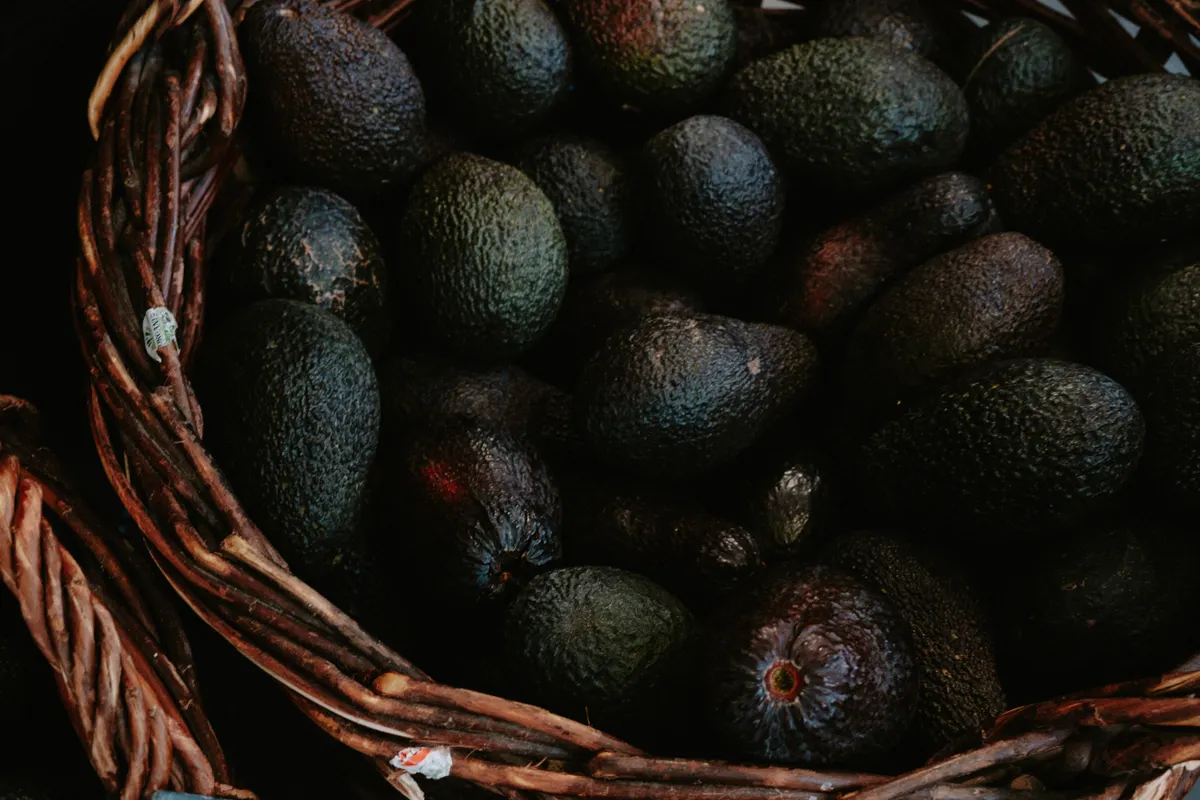

The Michoacán Do Not Travel warning has sharpened into a live operational disruption, with the U.S. Embassy in Mexico suspending government activities in the state on 5 August following what it described as ‘a threat against American interests,’ a move that simultaneously halted the agricultural inspections underpinning Mexico’s avocado export trade with the United States.
The suspension was short-lived in geographic terms. On 8 August, the U.S. Embassy announced it would resume activities in Michoacán in the areas of Tancitaro, Tacambaro, Uruapan, and the corridor between Morelia and Pátzcuaro, citing ‘the cooperation and assistance of the Government of Mexico.’ A full operational restart across the state remains unclear.
Avocado Trade Caught in the Crossfire
The immediate commercial fallout centred on agricultural oversight. Michoacán is Mexico’s primary avocado-producing hub, and U.S. Department of Agriculture (USDA) personnel stationed in the state are required to inspect avocados before they can be cleared for export to the U.S. market. Governor Alfredo Ramírez Bedolla said the suspension would disrupt the work of those USDA personnel, according to CNN.
A USDA spokesperson told CNN that any produce requiring its onsite approval that had not completed the inspection process was not eligible for importation, a straightforward but commercially consequential position for Mexican growers and exporters reliant on U.S. market access. Michoacán’s Public Security Secretary, José Antonio Cruz Medina, met with USDA representatives on 5 August to review a request for additional security measures to protect U.S. personnel, CNN reported. That meeting formed part of the diplomatic groundwork that preceded the partial resumption announced three days later.
The episode arrived against the backdrop of warnings issued days earlier, when the U.S. Embassy had alerted Americans that local security forces in Michoacán had been placed on heightened alert, with reports of roadblocks and criminal activity carrying potential for further escalation.
Level 4 Status Unchanged Despite Record Tourism Numbers
Michoacán has carried a Level 4: ‘Do Not Travel’ advisory from the U.S. State Department for several years, citing terrorism, cartel activity, gangs, criminal organisations and widespread violence. The latest alerts reiterate that designation. Travel restrictions for U.S. government employees in the state include limited transit routes, principally Federal Highway 15D for cross-state travel between Mexico City and Guadalajara, access to Morelia only by air or via Federal Highways 43 or 48D, access to Lázaro Cárdenas only by air with activities confined to the city centre or port areas, and restrictions on visiting portions of the Monarch Butterfly Reserve within Michoacán’s boundaries.
Despite the sustained advisory, visitor numbers have continued to climb. In January, Roberto Monroy García, head of the Michoacán Tourism Secretariat, revealed that the state received a record 10,635,487 visitors in 2025, a 5.6% increase on the 10,066,299 recorded in 2024. Governor Ramírez Bedolla stated that the tourist flow generated an economic impact of 15.23 billion pesos, approximately USD $888.75 million, representing a 6.18% rise on 2024. ‘These resources went directly to hoteliers, restaurateurs, guides and service providers that make up the value chain of the sector,’ he said.
Data from the Michoacán Tourism Observatory identified 13 countries among the leading sources of international arrivals, including Canada, the U.S., China, Spain, Japan, Italy, Colombia, Germany, Argentina, the United Kingdom, South Korea, Guatemala, and Brazil.
The nationwide U.S. State Department travel advisory for Mexico as a whole sits at Level 2, requiring travellers to ‘exercise increased caution.’ The states of Campeche and Yucatán carry the lowest Level 1 rating, while regions including parts of Jalisco state, where Guadalajara is located, carry Level 3 or Level 4 designations.
What Travellers and Trade Operators Should Note
For travel agents and tour operators handling itineraries that include Michoacán, the partial and uneven nature of the U.S. Embassy’s return to operations is relevant. Clients travelling to or through the state face the same movement restrictions that apply to U.S. government employees, and those restrictions remain in force across significant portions of Michoacán’s territory even as activities resume in specific corridors.
The U.S. Embassy advises Americans in Michoacán to monitor local media, keep contacts informed of their whereabouts, and enrol in the Smart Traveler Enrollment Program (STEP), which provides security alerts and enables the U.S. government to make contact in an emergency. The 911 emergency number applies within Mexico.
With the partial resumption of U.S. government activities under way from 8 August and USDA-supervised avocado inspection lines restarting in the designated areas, the immediate trade disruption is easing, though the broader Level 4 designation for Michoacán, and the security conditions driving it, remain unchanged.
