

An MSC Grandiosa false alarm late on Thursday 6 August sent the Western Mediterranean cruise ship into full emergency mode, confining passengers to their cabins and prompting a helicopter search before a headcount confirmed everyone on board was safe.
Onboard Systems Trigger Emergency Protocols After MSC Grandiosa False Alarm
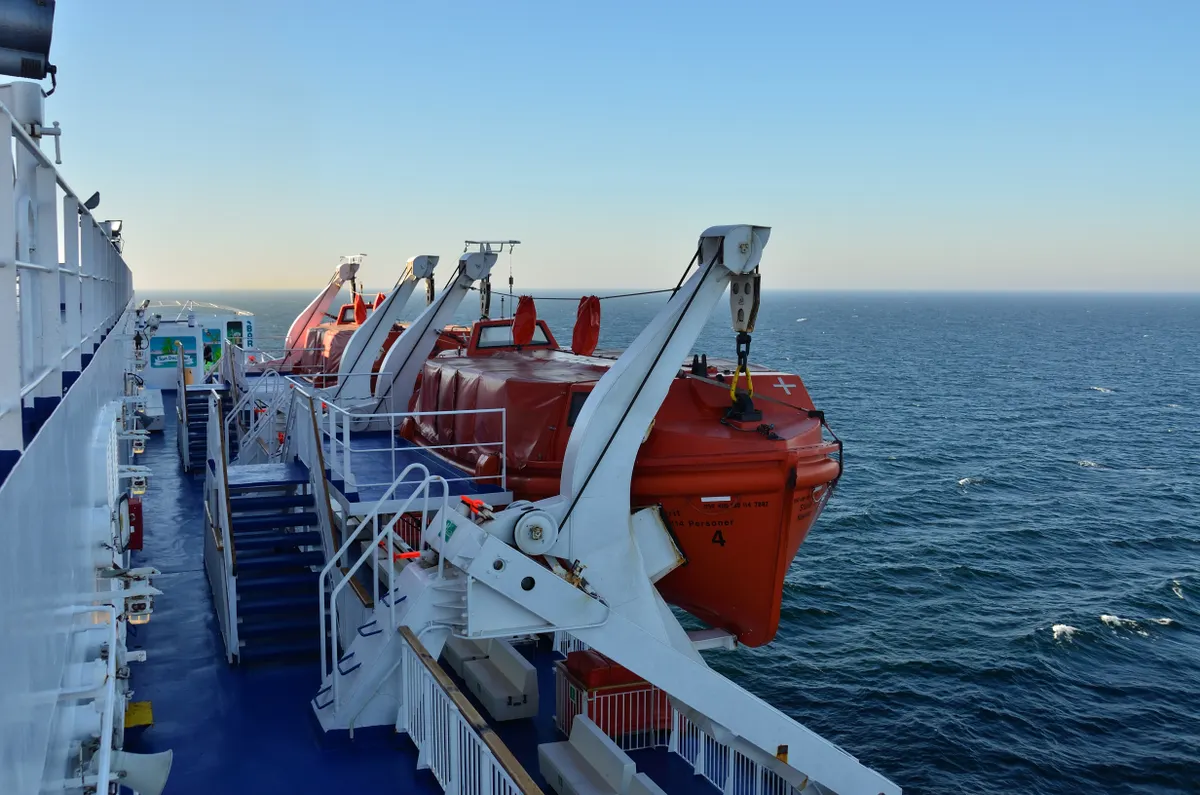
The man-overboard alert was issued just after 11 p.m. while the vessel was sailing in the Mediterranean. Passengers reported being confined to their cabins as crew conducted a full accounting of guests and crew. At the same time, staff slowed the ship, deployed lifeboats, reviewed infrared surveillance footage, and a rescue helicopter was dispatched to assist in the search.
A representative for MSC Cruises confirmed the situation was a false alarm. ‘MSC Grandiosa’s onboard systems detected a potential man overboard situation, triggering the ship’s established emergency response protocols,’ the representative said. ‘A full accounting of all guests and crew subsequently confirmed that everyone was safe and accounted for.’
After a roughly two-hour search, the Grandiosa resumed course. Reports indicate there were no disruptions to the ship’s itinerary, with passengers scheduled to disembark in Palma de Mallorca at 6:30 a.m. on Friday 7 August.
Itinerary and Surveillance Technology
The Grandiosa was midway through a seven-night Western Mediterranean sailing that had departed on 31 July. Port calls included Barcelona, Cannes, Genoa, La Spezia, and Civitavecchia before the final call at Palma de Mallorca.
The use of infrared surveillance during the search reflects technology MSC has rolled out across parts of its fleet. According to an MSC press release, some of the company’s vessels carry a ‘vanguard video surveillance system’ that allows for ‘the speediest intervention in the unlikely event a person or object falls overboard.’ The Grandiosa incident demonstrates both the speed with which those protocols can be activated and their capacity to produce a false positive when onboard sensors detect anomalies.
Wider Context: Overboard Incidents Across the Industry
Man-overboard alerts, whether genuine or false, are not unique to MSC. In October 2025, a Norwegian Cruise Line vessel declared a ‘code Oscar starboard’ after a passenger accidentally fell into the water. A month earlier, in September 2025, a man jumped from a Royal Caribbean ship to avoid paying a gambling debt. Earlier this year, in March, another Royal Caribbean vessel responded to a false overboard alert that turned out, according to reports, to be ‘a prank by some teenagers.’
The annual volume of genuine incidents remains low relative to overall passenger numbers. Perkins Law Offices notes on its website that an average of 19 to 25 overboard incidents are reported globally each year, a small figure set against the millions of passengers who sail annually.
When incidents do occur, the contributing factors are well-documented. Lipcon, Margulies & Winkleman, P.A. identifies inadequate security personnel and surveillance, failure to monitor onboard camera footage, over-serving of alcohol to passengers, and criminal activity including homicide and violent assault among the common causes of cruise ship overboard accidents.
The Grandiosa false alarm adds to a pattern in which improved sensor technology generates faster emergency responses but also raises the prospect of activations that turn out to be unwarranted. For the trade, the episode underlines that emergency response capacity, from cabin confinement procedures to helicopter coordination, must be maintained at full readiness regardless of the hour. MSC has confirmed the ship continued to Palma de Mallorca on schedule, with no itinerary impact recorded.
