
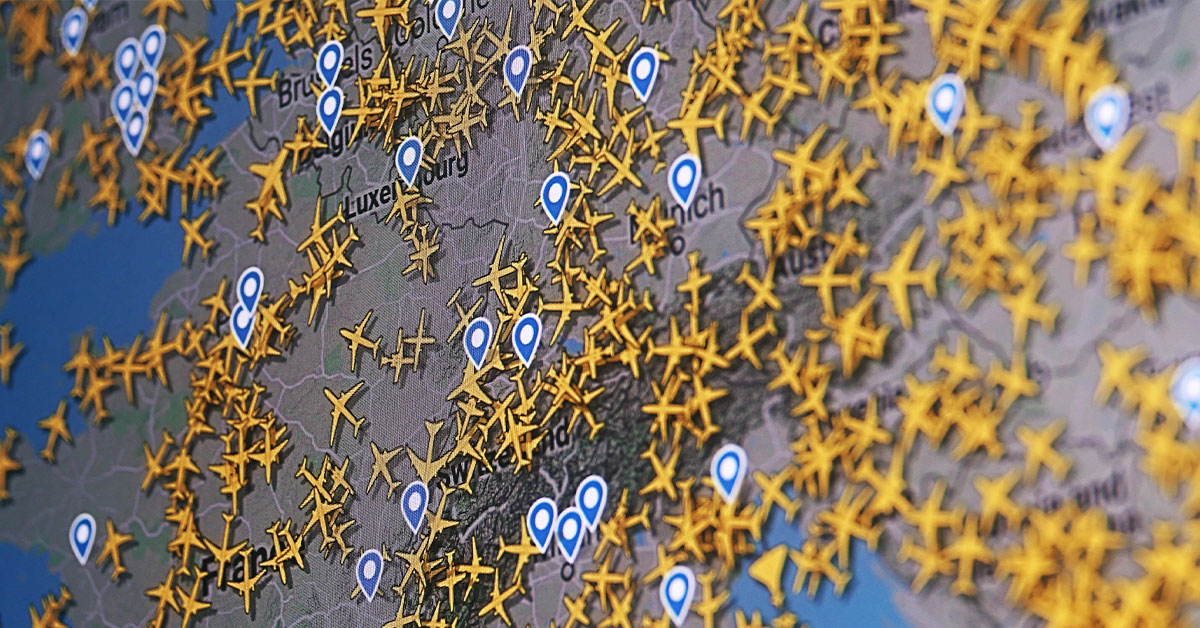

During the peak summer months, European air traffic saw delays that were alarmingly high. These disruptions have left passengers frustrated, with delays exceeding expectations. Eurocontrol highlighted that traffic levels increased by 5% from 2023, contributing significantly to extensive delays. Moreover, punctuality was nearly at its worst in two decades, indicating severe challenges in managing air traffic effectively.
Eurocontrol’s report outlined that over one-third of flights experienced delays exceeding 15 minutes upon arrival. Average delays reached over 21 minutes, marking an unprecedented scenario for travellers. The review suggested that the air traffic management system had been stretched beyond its limits. The situation was further aggravated by unexpected traffic growth in certain regions, compounded by adverse weather conditions.
A Season Under Pressure
The European summer this year was marked by significant pressure on air traffic systems. Eurocontrol described the season as “very complex and difficult”. The increase in flights, up by 5% from the previous year, tested the limits of existing infrastructure. Passengers faced delays more than expected, with over 21 minutes of average delay recorded. This was compounded by a lack of air traffic controllers to manage the surge in flights effectively.
Eurocontrol’s data also pointed out that the punctuality rates were close to the lowest seen in the past 20 years. It was a scenario reflecting inefficiencies in handling air traffic flow. The lack of capacity from air navigation service providers added to the woes. The difficulty in aligning with pre-summer capacity commitments was evident, pointing to systemic challenges in air traffic management.
Unexpected Challenges
Air navigation service providers struggled to provide the required capacity, unprepared for the unexpected surge in air travel. Some regions experienced higher traffic, compounding the delays already expected during the busy summer period. This unanticipated growth stretched resources thin, resulting in delays that surpassed all forecasts.
Frequent bad weather in various regions added another layer of complexity. For passengers, this meant altered itineraries and longer waiting times. The consistent deviation from original flight plans only worsened the situation, leading to chaotic scheduling and further delays.
Impact of Geopolitical Tensions
Geopolitical tensions played a considerable role in disrupting air traffic patterns. By altering traditional flight routes, they added stress to already busy air corridors.
Eurocontrol noted significant traffic changes, particularly in holiday-favoured southern Europe. These were partly due to tensions from Russia’s activities and conflicts in the Middle East. Such geopolitical factors forced rerouting of flights, impacting schedules and contributing to the rising delays.
This shift in airspace utilisation highlighted vulnerabilities in managing high volume and changing patterns of air travel. Adjustments needed were not rapid enough to match the dynamic climate influenced by global tensions.
High Demand for Southern Destinations
Southern Europe remained a preferred destination, driving air traffic numbers further. The influx of travellers to these regions heightened the stress on air traffic management systems.
A marked increase in flights to southeast Europe was recorded, with passengers gravitating towards these locales despite the rising delays. This pressure was not entirely anticipated, as previous data had not fully gauged the en-route traffic accurately.
As travellers sought these sunny destinations, the rise in air traffic led to notable congestion challenges, exacerbated by the aforementioned geopolitical tensions and adverse weather conditions.
Structural Issues in Air Traffic Management
The review by Eurocontrol points to core structural issues within Europe’s air traffic management. The lack of air traffic controllers and inefficient infrastructure planning were primary concerns highlighted in their findings.
Failures to meet capacity commitments by some air navigation service providers underscore the systemic problems faced over the busy period. The underlying infrastructure showed vulnerability to unexpected surges in demand. Such lapses led to the recorded delays and inefficiencies in the overall handling of air traffic.
This period exposed gaps that require urgent remedy, indicating that the current systems might not withstand future stress without substantial reforms.
Potential Solutions for Future Improvements
Eurocontrol suggests that structural reforms are essential for coping with future challenges. Improving capacity delivery and streamlining coordination between service providers are crucial steps.
The predictions for future air traffic growth necessitate proactive measures. To mitigate further delays, enhancing staffing levels and better disaster preparedness protocols are recommended. The aim is to bolster the system’s resilience against abrupt shifts in traffic volumes and patterns.
The emphasis is on building a more robust infrastructure capable of adapting swiftly to both expected and unforeseen changes in air traffic flows.
Anticipating Future Challenges
With air traffic expected to grow, preparations for the future need to be strengthened considerably.
Eurocontrol forecasts continuous demand increase, suggesting that current systems will struggle unless strategic improvements are made. The organisation advocates for enhanced air traffic flow management to address issues seen this summer.
The long-term vision involves implementing comprehensive reforms to support sustainable growth in air traffic while minimising delays and ensuring smooth operations.
Eurocontrol’s Role and Recommendations
Eurocontrol has outlined a range of strategies aimed at tackling the air traffic issues.
The organisation recommends increased investment in technology and human resources to manage airspace more effectively. These measures are intended to reduce delays and improve punctuality across European networks.
Strengthening collaboration among European partners is another focal point, promoting a unified approach to air traffic management to counteract disruptions more efficiently.
Conclusion and Outlook
The summer’s air traffic delays serve as a critical learning point for the future. Addressing the root causes through targeted reforms is necessary to overcome the challenges faced.
Going forward, the focus should be on enhancing the resilience and adaptability of Europe’s air traffic systems. As travel demands continue to rise, strategic overhauls are imperative to sustain growth and improve passenger experiences.
The unexpected surge in air traffic delays underscores the need for reforms in management systems. Future resiliency depends on strategic investments and improved coordination, ensuring efficient operations even in peak seasons.
