
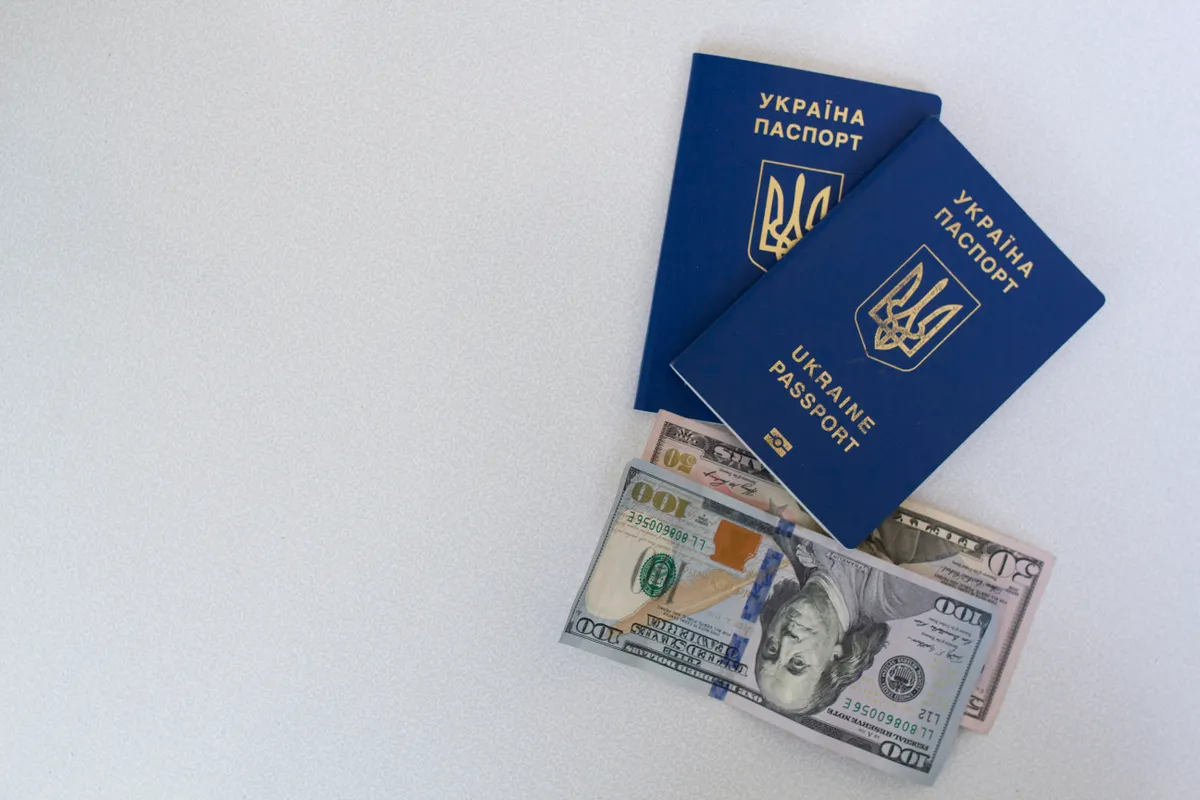

US passport RFID protection has become a trending concern among travellers, fuelled by social media advice urging people to wrap their booklets in aluminium foil to block electronic data theft. The reality, confirmed by a US Customs and Border Protection (CBP) spokesperson, is rather different, and the foil itself may cause more harm than good.
What the RFID Chip Actually Holds
The chip embedded in a US e-passport carries the same information printed on the data page: the holder’s photograph, biometric data, and a cryptographic signature that border authorities use to verify the document has not been tampered with since it was issued. Until the introduction of the ‘Next Generation Passports’ in 2021, the chip and its surrounding wire antenna sat inside the back cover. In the newer booklets, the chip was moved onto the rigid, multi-layered polycarbonate data page for improved durability and resistance to tampering.
The foil trend draws on a real principle. A continuous conductive barrier (the Faraday cage effect) can block radio frequency signals. Tinker, from the Dallas Hackers Association, told AFAR in 2018 that most off-the-shelf technology allows an RFID chip to be read from ‘a couple of feet to a couple of inches,’ with some skilled hackers reportedly able to scan from ‘several feet away,’ though the equipment required is not portable.
The vulnerability, however, is largely neutralised by design. With a passport book fully closed, the cover alone blocks radio signals, meaning an attacker holding a reader near a bag or pocket cannot read the chip. Even if the booklet were open, the data is protected by a cryptographic protocol called Basic Access Control (BAC). The chip also transmits no live location data, so tracking a traveller via their passport RFID would require a network of scanners so vast as to offer no practical payoff to a criminal.
CBP’s Position on US Passport RFID Protection Measures
CBP told TheTravel directly that the agency ‘does not evaluate, test, or endorse any third-party document covers or DIY modifications, such as aluminium foil.’ The spokesperson’s statement was plain: ‘To ensure the efficient and secure processing of travellers at ports of entry, CBP requires that travel documents be presented in their original condition, free of any modifications or obstructions that could impede the ability of our systems to read the document.’
Beyond the policy issue, there is a practical risk. Aluminium foil can scratch, crease, or abrade the delicate security features on the polycarbonate data page. CBP lists among common passport ‘mutilations’ bleeding or smudged ink, water damage, chemical stains, faded artwork, and data pages with cracks, heat-caused warping, or delamination. A valid passport damaged in any of these ways can be rendered invalid for travel.
The US Department of State has built multiple layers of security into the passport book itself. Laser engraving burns text and images beneath the polycarbonate surface, making physical alteration impossible without destroying the page. Security fibres mixed into the paper pulp during manufacturing produce unpredictable patterns so that no two genuine US passports share the same arrangement. A perforated alphanumeric serial number is burned through every page by precision laser. These features, the State Department states, were designed to ‘improve security and prevent counterfeiting.’
Broader Data Privacy Anxieties at the US Border
The foil trend sits within a wider climate of concern about border data privacy. Part of that anxiety is well-founded, though it points in a different direction: electronic devices, not passport chips. Berardi Immigration Law notes that CBP Directive 3340-049B, which governs the border search of electronic devices, was updated in January 2026, keeping the agency’s authority to inspect phones and laptops at ports of entry firmly in place.
That authority received fresh judicial backing this month. On 6 July 2026, the Seventh Circuit Court of Appeals ruled in United States v. Eta, No. 25-1891, that CBP officers may conduct a manual search of a traveller’s cell phone at the border without a warrant or individualised suspicion, according to the Global Immigration Blog. The case arose after CBP officers stopped Daniel Eta on his return from Nigeria and searched three cell phones at Atlanta’s airport. Eta was under investigation for allegedly leading a transnational cyber fraud and money laundering scheme.
For travel agents and tour operators advising clients, the practical message is twofold. On the passport itself, US passport RFID protection is already built into the booklet’s design: a closed cover blocks signal, BAC encrypts the chip, and foil wrapping risks damaging the very document it is meant to guard. On devices, the legal landscape is clear, travellers crossing into the US have no warrant protection against a manual phone search at the border, a point confirmed by the Seventh Circuit’s July 2026 ruling.
